
Ultimate guide to outsourcing software development
Software development outsourcing is the practice of partnering with an external team or vendor to handle part or all of your software creation process
Building great software has become a race of speed, talent, and smart decision-making, and outsourcing sits right at the center of that transformation. Instead of trying to assemble every skill in-house, companies are tapping into global engineering forces to accelerate development, reduce uncertainty, and bring ideas to life with far greater efficiency.
Yet the question remains: How do you navigate this massive ecosystem of vendors, models, pricing structures, and collaboration styles? This guide walks you through the entire journey, giving you a clear, practical view of how outsourcing truly works and how partners like Serdao help businesses turn projects into long-term success stories.
What Is Software Development Outsourcing?
Software development outsourcing is the practice of partnering with an external team or vendor to handle part or all of your software creation process. Instead of relying solely on internal resources, businesses collaborate with specialized engineering teams that offer the skills, tools, and experience needed to deliver a product efficiently and at scale.
At its core, outsourcing is about access: access to talent, access to speed, and access to expertise that may not exist inside your organization. Companies leverage outsourcing for many reasons from building entire applications to supporting specific components like UI/UX design, cloud architecture, QA testing, DevOps, or ongoing maintenance.
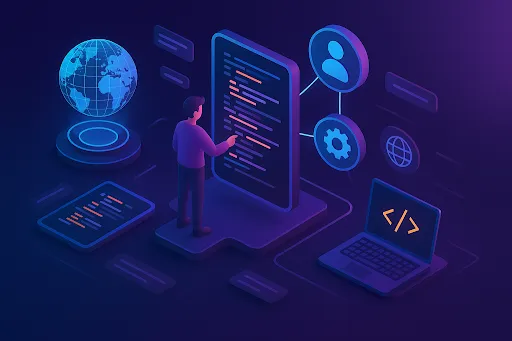
What Is Software Development Outsourcing?
One of the biggest misconceptions is that outsourcing simply means “hiring cheaper developers overseas.” In reality, outsourcing has evolved into a sophisticated partnership model. Modern outsourcing teams function like strategic extensions of your internal department, aligning with your workflows, communication style, and long-term goals.
To understand outsourcing better, it helps to distinguish it from other collaboration models:
- Outsourcing vs. Outstaffing: Outsourcing hands over responsibility for deliverables. Outstaffing adds extra people to your team while you keep full management control.
- Outsourcing vs. Freelancing: Freelancers often work independently on small tasks. Outsourcing partners provide structured teams, processes, and accountability, suitable for complex or long-term projects.
Companies choose outsourcing for a wide range of situations: launching a new digital product, modernizing legacy systems, scaling development capacity during high-demand periods, or filling temporary skill gaps such as AI engineering, cloud migration, or cybersecurity.
In short, software development outsourcing is a strategic way for companies to build better software, faster without stretching internal teams too thin. When done right, it becomes a long-term partnership that fuels innovation and drives business outcomes.
Benefits of Outsourcing Software Development
Outsourcing software development brings far more advantages than just cost optimization. When executed strategically, it becomes a powerful way for companies to scale capabilities, accelerate delivery, and tap into expertise that fuels long-term product growth.
- Access to Specialized Global Talent: Outsourcing opens the door to a worldwide network of engineers, designers, architects, and QA specialists, many of whom bring experience from diverse industries and technologies. Instead of spending months recruiting niche experts, companies can instantly access the exact skill sets they need, whether it’s for AI, cloud engineering, cybersecurity, blockchain, or mobile development.
- Faster Time-to-Market: Product timelines matter more than ever. Outsourcing teams are structured to ramp up quickly, adapt to Agile workflows, and maintain development velocity from day one. With a ready-made engineering setup and proven delivery processes, businesses can shorten release cycles, gain competitive advantage, and deliver new features to customers faster.
- Cost Efficiency & Predictable Budgeting: Outsourcing eliminates many of the hidden costs tied to in-house hiring, office infrastructure, recruitment, onboarding, training, employee benefits, and turnover. Companies can scale resources up or down based on immediate needs, making budgets more predictable and reducing financial risk. For many projects, outsourcing becomes a smarter allocation of capital rather than merely a cheaper alternative.
- Flexibility to Scale at Any Stage: Projects rarely follow a straight line. Outsourcing allows you to expand or shrink team size without disrupting internal operations. Whether you’re accelerating development before launch, adding specialists for a complex module, or shifting focus to maintenance, the external team adapts effortlessly.
- Reduced Operational Overhead: Managing a full in-house engineering department requires significant time and management bandwidth. Outsourcing partners handle recruitment, training, team orchestration, quality control, and delivery processes, allowing your leadership team to focus on strategic decisions, product vision, and customer experience instead of day-to-day tech operations.
- Access to Mature Processes and Best Practices: Established outsourcing vendors bring refined workflows, documentation standards, DevOps practices, QA methodologies, and security compliance frameworks. Rather than building these internal systems from scratch, companies gain the advantage of working with teams who have already perfected them across numerous projects and industries.
- 24/7 Progress With Distributed Teams: With development teams operating across different time zones, work can continue even after your in-house team signs off for the day. This creates a near-continuous development cycle that speeds up delivery, reduces downtime, and ensures issues are resolved faster.
Types of Outsourcing Models
Choosing the right outsourcing model is one of the most important decisions in ensuring project success. Each model offers different levels of collaboration, cost, and control. Understanding the distinctions helps businesses select the approach that best matches their goals, timeline, and internal capabilities.
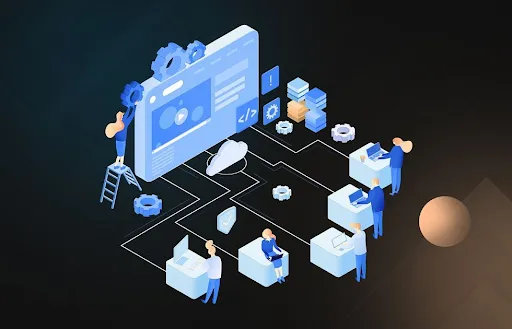
Types of Outsourcing Models
1. Onshore Outsourcing
Onshore outsourcing refers to partnering with a software development company located in the same country. This model offers the highest level of cultural alignment, familiarity with local regulations, and similar working hours. It works well for businesses that need close communication, in-person workshops, or rapid decision-making with minimal language barriers.
The downside is that onshore vendors often have higher costs due to local labor rates, making this option less suitable for companies with tight budgets.
2. Nearshore Outsourcing
Nearshore outsourcing involves working with teams in neighboring or geographically close countries. This model strikes a balance between cost efficiency and convenient collaboration. Time zones often overlap significantly, which supports real-time communication, daily syncs, and Agile workflows.
Companies choose nearshore partners when they want smoother interactions than offshore teams can offer but still prefer more affordable pricing compared to onshore services.
3. Offshore Outsourcing
Offshore outsourcing means collaborating with teams located in distant countries, typically with a significant difference in time zones. This model is popular for its competitive pricing and access to a wide pool of specialized talent. Many offshore regions have strong engineering education systems and large tech communities, making it easy to find experts in various domains.
While offshore outsourcing offers excellent scalability, it requires thoughtful communication planning to overcome timezone gaps and ensure smooth coordination.
How to Outsource Software Development Effectively
Successful outsourcing is not something that happens by chance. It is the result of intentional planning, thoughtful vendor selection, and disciplined collaboration. When approached strategically, outsourcing becomes a long-term accelerator for product growth and engineering scalability. The following framework outlines how to do it right, step by step.

How to Outsource Software Development Effectively?
1. Start With Clear Requirements and Business Objectives
A strong outsourcing partnership begins with clarity. Before reaching out to any vendor, define what you want to build and why it matters.
Start by outlining:
- Core project goals
- Target users and primary use cases
- High-level features and technical preferences
- Expected timeline and budget constraints
Even if your product vision is still evolving, documenting these foundations helps vendors provide accurate proposals and reduces misunderstanding later.
You should also identify your internal priorities. For example:
- Faster delivery
- Reduced development cost
- Access to specialized skills
- Long-term team extension
Knowing your true objectives ensures you choose partners and models that fit your goals.
2. Select an Outsourcing Model That Matches Your Needs
Each outsourcing model comes with different advantages related to cost, collaboration style, and communication rhythm. Choosing the right structure early prevents friction later in the project.
Key considerations include:
- Budget and desired cost efficiency
- Location and timezone practicality
- Required level of involvement
- Project complexity and duration
Onshore models emphasize communication convenience, nearshore models provide balanced collaboration, offshore teams offer strong scalability, and hybrid models blend the best aspects of multiple regions.
3. Evaluate Vendors Beyond Their Portfolio
The vendor you choose will determine 70% of your outsourcing success. Look deeper than surface-level capabilities and consider how well a team aligns with your culture and expectations.
When evaluating vendors, look for:
- Relevant case studies and industry experience
- Strength in the required tech stack
- Transparent processes and communication style
- A reliable delivery track record
- Proactive thinking, not just task execution
You can also run trial tasks or a mini sprint to assess how the team works in real conditions. This reveals their responsiveness, problem-solving skills, and ability to collaborate effectively.
4. Build a Strong Communication and Collaboration Framework
Clear communication is the core of every successful outsourcing relationship. Even top-tier engineering teams will struggle without well-defined channels and expectations.
Set up early agreements on:
- Communication tools and channels
- Meeting frequency (daily stand-ups, weekly reviews, monthly deep-dives)
- Documentation standards and version control
- Reporting formats and escalation pathways
- Decision-making responsibilities
Encourage both sides to stay transparent about priorities and blockers. A collaborative mindset ensures development remains smooth and predictable.
5. Monitor Progress and Continuously Optimize the Partnership
Outsourcing is not a “set and forget” engagement. It works best when treated as an evolving partnership that grows stronger through continuous improvement.
Track performance through:
- Sprint velocity and delivery consistency
- Quality metrics such as defect rate
- User feedback on completed features
- Adherence to deadlines and budget
- Communication effectiveness
Regularly review what’s working well and what needs adjustment. Even small refinements in process, tooling, or team structure can significantly improve long-term outcomes.
Outsourcing becomes truly effective when it blends clear goals, the right collaboration model, a capable vendor, strong communication, and ongoing optimization. When all these elements come together, outsourcing transforms from a simple resourcing decision into a powerful advantage that accelerates innovation, strengthens product quality, and supports sustainable business growth.
Pricing Models in Software Development Outsourcing
Choosing the right pricing model is just as important as choosing the right development partner. It shapes how your budget is managed, how the project is delivered, and how predictable the overall engagement will be. Understanding each model helps you align expectations, avoid hidden risks, and build a collaboration structure that fits your goals.
Here are the most common pricing approaches:
- Fixed-Price Model: Best suited for projects with a well-defined scope and clear requirements. Everything from deliverables to timelines is agreed upon in advance. This model provides high predictability and works well when you want stability and minimal variation during execution.
- Time and Material Model: Ideal for evolving or innovative projects where requirements may shift over time. You pay based on actual time spent and resources used. This model supports flexibility, incremental improvements, and Agile delivery cycles, especially when discovery and experimentation are part of the journey.
- Dedicated Team Model: A long-term collaboration where an external team functions as an extension of your in-house staff. You have full control over priorities, direction, and daily workflow. This approach is powerful when building large platforms, scaling engineering capacity, or maintaining ongoing product development.
- Managed Services Model: Suitable for businesses that want a vendor to take complete responsibility for an entire function or outcome, such as DevOps, QA, maintenance, or system monitoring. The vendor manages processes, risks, and performance while you focus on strategic goals.
- Hybrid or Custom Models: Many companies blend different structures depending on project complexity. For example, fixed price for discovery, time and material for development, and a managed services agreement for long-term maintenance. This approach adds flexibility while maintaining control at every phase.
Each pricing model has strengths that suit different types of projects. The key is aligning the model with the nature of your product, your internal resources, and your expectations for flexibility. When chosen thoughtfully, the pricing structure becomes a tool that supports transparency, collaboration, and long-term value rather than a constraint.
Conclusion
Outsourcing software development is no longer just an operational choice. It has become a strategic enabler that helps businesses innovate faster, scale smarter, and access the kind of global expertise that isn’t always available in-house. From understanding outsourcing models to choosing the right partner, defining clear goals, establishing communication frameworks, and selecting the best pricing structure, every step contributes to a stronger, more resilient collaboration.
When done thoughtfully, outsourcing transforms into a long-term advantage rather than a short-term solution. It empowers companies to focus on their core strengths while leveraging specialized talent to build reliable, high-quality digital products. And with the right partner by your side, you’re not simply outsourcing tasks, you’re co-creating value, strengthening your product vision, and opening the door to continuous growth.
Readmore Blog Serdao:
helpdesk définition
support informatique
niveau de support