
Top Skills You’ll Gain from a CDL Training Program in Texas
Getting into truck driving can be more than just a job. It’s a career that offers freedom, good pay, and the chance to hit the open road while learning skills that stick for life.
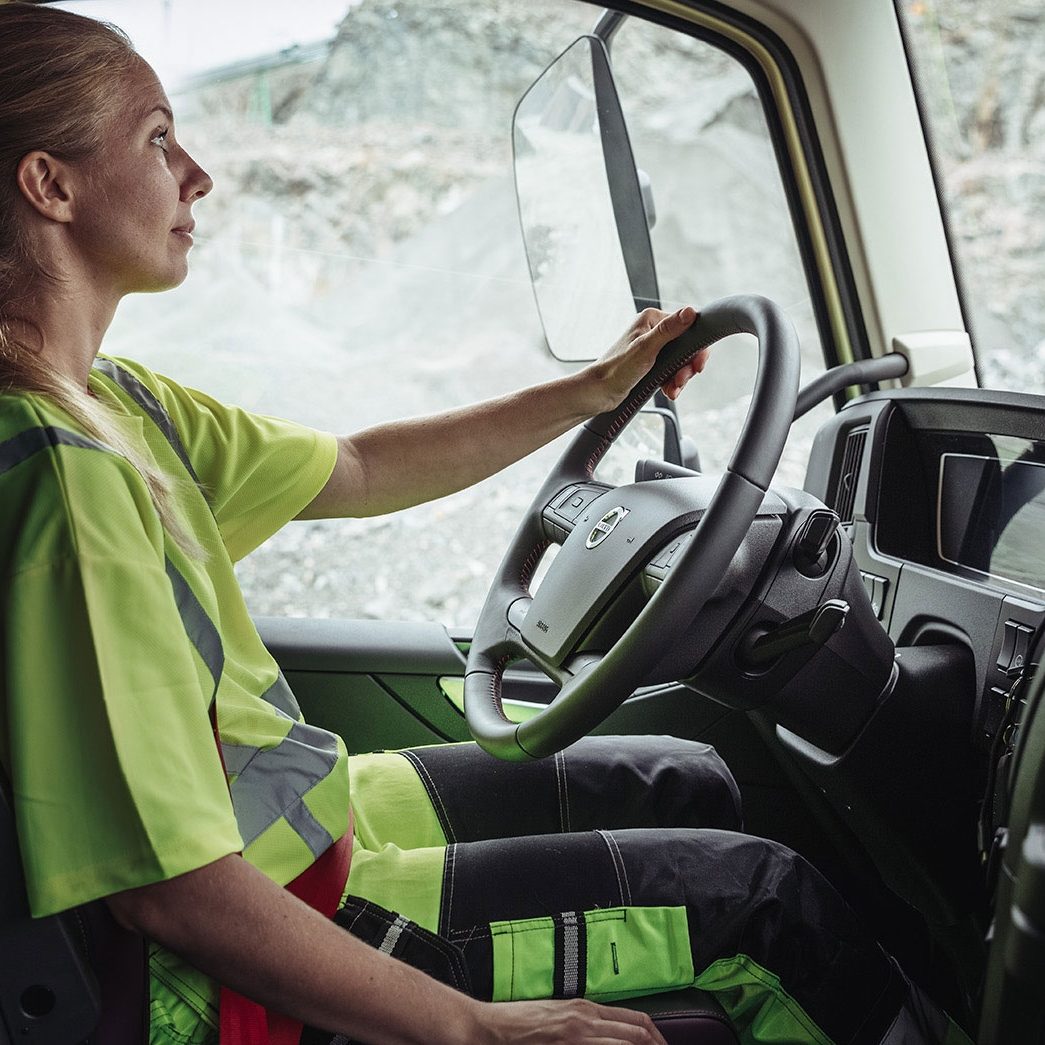
Getting into truck driving can be more than just a job. It’s a career that offers freedom, good pay, and the chance to hit the open road while learning skills that stick for life. But before you start hauling freight, you need proper training. That’s where a truck driver training school comes in. From safety basics to logistics and professionalism, CDL programs equip you with everything you need to succeed.
Mastering Vehicle Handling
One of the first things you’ll learn in a CDL program is how to handle big rigs. Driving a box truck or semi isn’t like cruising in a car. You need to understand turning radius, braking distances, and how to navigate tight spots.
Training starts with classroom lessons where instructors explain vehicle mechanics and safe driving techniques. Then it moves to hands-on practice, usually in a controlled environment. You’ll practice backing up, making wide turns, and handling different load weights. By the end, even tight city streets or narrow delivery docks feel manageable.
Safety Comes First
Safety is at the heart of every CDL course. You’ll learn defensive driving, how to inspect your truck before hitting the road, and how to respond in emergencies. These lessons aren’t just rules—they’re lifesaving skills.
Programs emphasize checking brakes, lights, tires, and cargo security. You’ll also learn how to drive in different weather conditions, from heavy rain to icy roads. This hands-on experience builds confidence so you can stay calm even when the unexpected happens.
Understanding Logistics
Driving a truck isn’t just about getting from point A to point B. There’s a lot of planning behind the scenes. CDL training programs teach you logistics basics, including route planning, fuel management, and delivery scheduling.
Knowing how to read maps, follow GPS efficiently, and anticipate traffic patterns is part of the program. This knowledge saves time, reduces stress on the road, and ensures deliveries happen on schedule. Employers love drivers who understand the bigger picture because it means fewer mistakes and smoother operations.
Time Management Skills
Time management is another key skill you’ll pick up. Truck drivers often juggle multiple deliveries, deadlines, and break requirements. Training programs simulate real-life schedules, teaching you how to plan rest stops, loading, and unloading efficiently.
By practicing in a controlled setting, you get used to managing your time without cutting corners on safety. These skills are crucial once you’re on the job and balancing multiple deliveries in a day.
Professionalism on the Road
A CDL program doesn’t just teach you how to drive; it teaches you how to act as a professional on the road. You’ll learn proper communication with dispatchers, customer service during deliveries, and how to handle conflicts politely.
Professionalism also includes following industry regulations, keeping accurate logs, and respecting other drivers on the road. These habits build a reputation that can lead to promotions, raises, and even long-term contracts.
Problem-Solving Under Pressure
No two days on the road are the same. You might face mechanical issues, traffic jams, or unexpected weather. CDL training prepares you to stay calm and solve problems quickly.
Through drills and scenario-based exercises, you’ll practice responding to equipment failures, adjusting routes on the fly, and handling deliveries under tight deadlines. This experience makes you a more confident and reliable driver.
Fuel Efficiency and Environmental Awareness
Modern CDL programs also touch on fuel-efficient driving. Learning how to accelerate smoothly, maintain steady speeds, and plan routes helps save fuel and reduces environmental impact.
Not only does this cut costs for employers, but it also positions you as a conscientious driver who values efficiency. Over time, these habits make a noticeable difference in operating expenses and your professional image.
Teamwork and Communication Skills
While truck driving can feel like a solo gig, it’s really a team effort. CDL programs teach you how to communicate clearly with coworkers, dispatchers, and even warehouse staff.
You’ll learn how to report issues, confirm delivery details, and coordinate timing with other drivers. Being a strong communicator ensures operations run smoothly and keeps everyone on the same page.
Adaptability and Learning Mindset
Technology is changing the trucking industry, from GPS routing systems to electronic logging devices. CDL training programs expose you to these tools so you can adapt quickly.
Being open to learning new systems and processes makes you more valuable to employers. You’ll also be ready to transition between truck types, from box trucks to long-haul semis, as your career progresses.
Conclusion
A CDL training program is more than a requirement to get licensed. It’s an investment in your skills, confidence, and future. From vehicle handling and safety to logistics, professionalism, and problem-solving, these programs prepare you for the real-world challenges of trucking.
Choosing a truck driver training school helps you gain the knowledge and hands-on experience you need to start a rewarding career in CDL trucking. Whether you’re planning to drive box trucks locally or haul freight across states, the skills you pick up in training will set you up for long-term success.
By the time you finish your program, you won’t just be ready to pass the CDL test—you’ll be ready to hit the road with confidence, efficiency, and professionalism.