The Role of a CDMO in GMP-Compliant Cell and Gene Therapy Production
Explore the role of a CDMO in GMP-compliant cell and gene therapy production, ensuring quality manufacturing, regulatory compliance, and faster clinical and commercial success.
Cell and Gene Therapy (CGT) is transforming modern medicine by offering targeted, potentially curative treatments for complex diseases. However, developing and manufacturing these advanced therapies is far more complex than traditional pharmaceuticals. Strict regulatory requirements, specialized infrastructure, and scientific expertise are essential at every stage. This is where a Contract Development and Manufacturing Organization (CDMO) plays a critical role in ensuring GMP-compliant cell and gene therapy production.
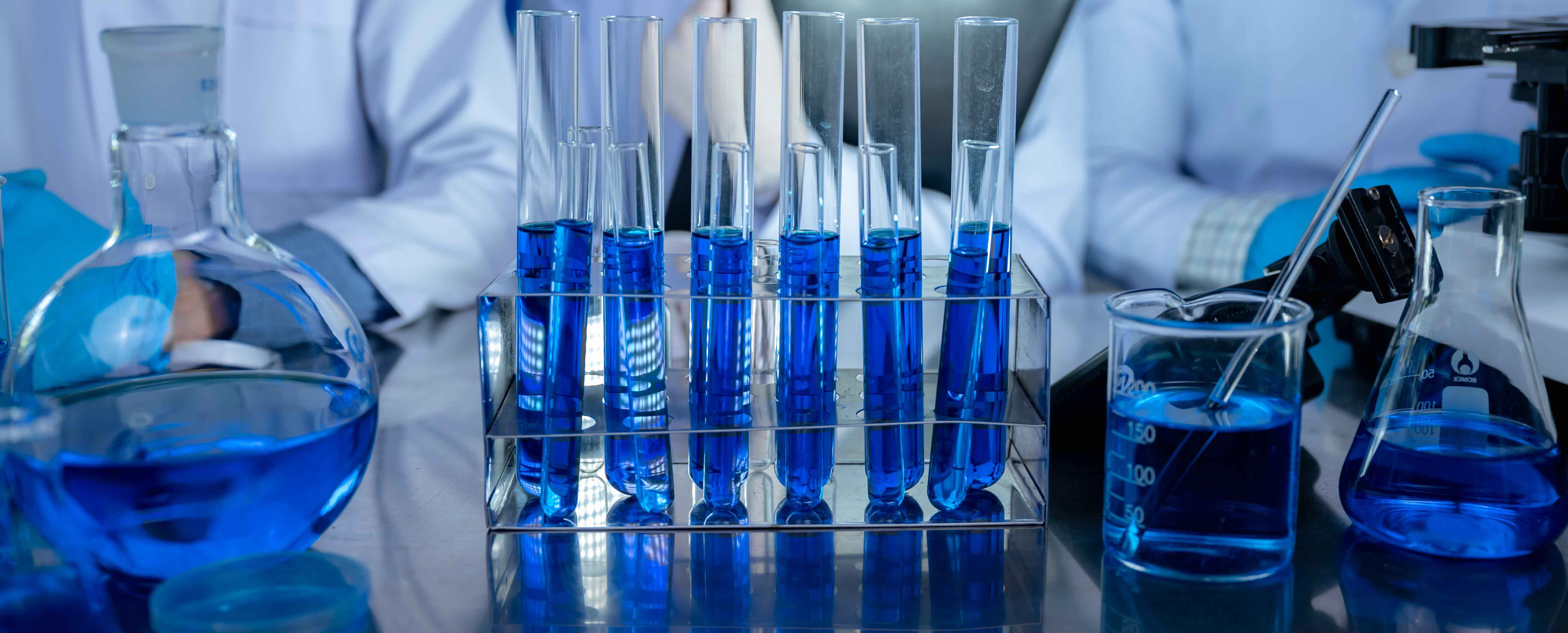
Understanding the Complexity of Cell and Gene Therapy Manufacturing
Unlike small-molecule drugs, cell and gene therapies involve living cells, viral vectors, or genetic material that are highly sensitive to environmental conditions. Minor variations in processing can significantly impact product quality, safety, and efficacy. As a result, CGT manufacturing requires:
Highly controlled cleanroom environments
Advanced analytical and quality control systems
Skilled scientific and technical teams
Robust regulatory and documentation frameworks
Meeting these requirements independently can be challenging and resource-intensive for biotech and pharma companies, especially startups and emerging innovators.
What Is the Role of a CDMO in CGT Production?
A CDMO provides end-to-end support, covering process development, GMP manufacturing, quality control, and regulatory readiness. In cell and gene therapy, the role of a CDMO extends beyond manufacturing alone—it becomes a strategic partner throughout the product lifecycle.
By offering specialized infrastructure and expertise, CDMOs enable developers to focus on innovation while ensuring their therapies are produced safely, consistently, and in compliance with global GMP standards.
Ensuring GMP Compliance from the Start
Good Manufacturing Practice (GMP) compliance is non-negotiable in CGT production. Regulatory agencies expect validated processes, controlled environments, and complete traceability of materials and data.
A CDMO supports GMP compliance by:
Designing and operating validated cleanroom facilities
Implementing standardized operating procedures (SOPs)
Maintaining comprehensive documentation and batch records
Conducting routine audits, monitoring, and quality reviews
Early integration of GMP principles during development helps avoid costly delays when transitioning from clinical to commercial manufacturing.
Process Development and Scale-Up Expertise
One of the most critical contributions of a CDMO is its expertise in process development and scale-up. Cell and gene therapies often start with small, laboratory-scale processes that must be adapted for clinical and commercial production without compromising quality.
CDMOs optimize processes for:
Cell expansion and manipulation
Viral vector production and purification
Aseptic filling and cryopreservation
Consistency across batches
This structured approach reduces variability, improves reproducibility, and supports smoother regulatory submissions.
Advanced Quality Control and Bioanalytical Testing
Quality control (QC) is at the heart of GMP-compliant manufacturing. CDMOs operate advanced QC laboratories equipped to perform critical testing, including:
Sterility and mycoplasma testing
Identity and potency assays
Genetic stability and vector copy number analysis
Safety and release testing
By integrating QC early in the manufacturing workflow, CDMO ensure that potential issues are identified and addressed promptly, protecting both timelines and patient safety.
Regulatory Support and Inspection Readiness
Navigating global regulatory expectations is one of the biggest challenges in cell and gene therapy development. CDMOs bring experience in working with regulatory authorities and preparing documentation for submissions such as INDs, CTAs, and BLAs.
Their regulatory support includes:
GMP documentation and validation reports
Risk assessments and change control management
Support during regulatory inspections and audits
This expertise helps sponsors build confidence with regulators and accelerate approval pathways.
Flexibility for Clinical and Commercial Manufacturing
Cell and gene therapies often follow unpredictable development paths, with changing batch sizes, patient-specific needs, or evolving protocols. CDMOs offer flexible manufacturing models that can support:
Early-phase clinical trials
Late-stage clinical development
Commercial-scale production
This flexibility allows therapy developers to scale at the right pace while maintaining GMP compliance.
Why Partnering with the Right CDMO Matters
Choosing the right CDMO can significantly influence the success of a CGT program. An experienced CDMO not only provides infrastructure but also acts as a collaborative partner, sharing knowledge, anticipating challenges, and supporting long-term growth.
Key benefits of CDMO partnerships include:
Reduced capital investment
Faster time to clinic and market
Access to specialized expertise
Improved risk management
Conclusion
The role of a CDMO in GMP-compliant cell and gene therapy production is essential in today’s advanced therapy landscape. From process development and quality control to regulatory support and commercial manufacturing, CDMOs provide the foundation needed to deliver safe, effective therapies to patients.
Organizations such as Xellera Therapeutics, with expertise in CGT and advanced therapy manufacturing, exemplify how a trusted CDMO partner can help bridge the gap between innovation and successful commercialization—ensuring that groundbreaking therapies meet the highest standards of quality and compliance.