
The Guide to Senior Dental Care in 2026: Protecting Health, Dignity, and the Quality of Life
The mouth deserves the same clinical respect and attention as the heart, lungs, or kidneys. Ignoring it only exposes older adults to pain, infection and loss of quality of life that can be easily prevented
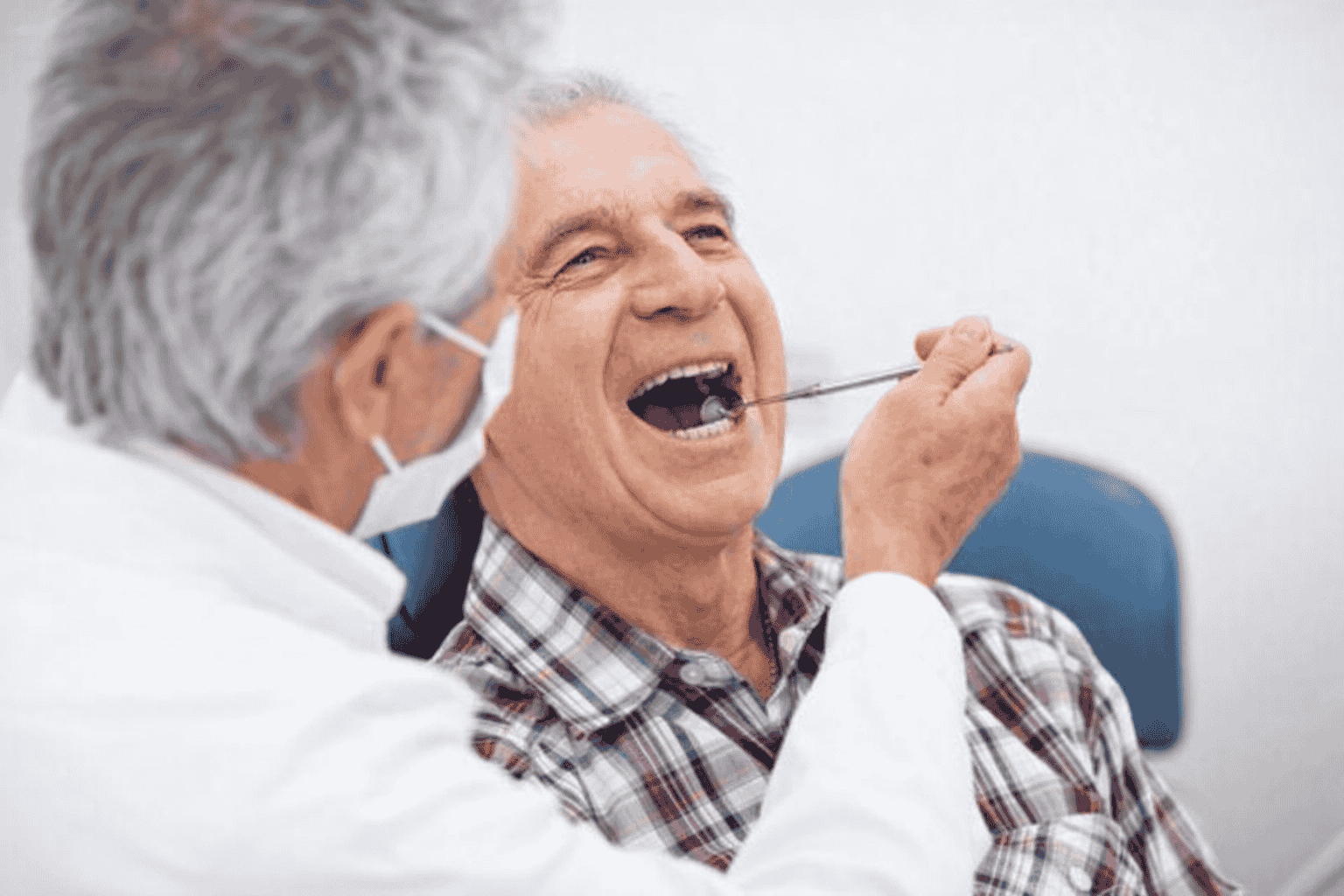
In my work across hospitals, long-term care facilities, and private homes, I often meet caregivers and families who are able to sense that something is off with the seniors they care for, but cannot immediately name it.
A parent eats less. A resident withdraws socially. A loved one appears more agitated than usual. These changes are frequently attributed to aging itself, yet many times the underlying cause is untreated oral pain or infection. This is why senior dental care deserves far more attention than it currently receives.
As people live longer with chronic medical conditions, the mouth can no longer be treated as separate from the rest of the body.
In 2026, oral health for seniors is not a cosmetic concern or a comfort add-on. It is a matter of their safety, dignity, and their quality of life.
This guide is written to help families, caregivers, and professionals understand what changes with age, where systems fall short, and how we can respond responsibly and compassionately.
Why Dental Care Changes as We Age
Aging brings about many significant changes in the body, and the mouth is no exception. Many older adults take medications that reduce the secretion of saliva, leading to a condition called dry mouth or xerostomia, which increases the risk of tooth decay and infection. Physical changes, such as arthritis, can make brushing and flossing difficult, while vision loss may prevent people from noticing early warning signs such as redness, swelling, or sometimes even broken teeth. Cognitive changes can disrupt daily routines that once felt automatic.
These realities explain why elderly dental care requires a different kind of approach than standard adult dentistry. Care must be gentler, more preventive, and more closely monitored. Expecting older adults to manage their oral health independently, without somebody’s support or any form of adaptation, places them at unnecessary risk.
Public health data reinforces what clinicians see on a day-to-day basis. The Centers for Disease Control and Prevention reports that nearly one in five adults over the age of 65 has untreated tooth decay. The World Health Organization further identifies older adults as carrying the highest global burden of oral disease. These numbers clearly reflect systemic gaps in access and integration.
I have worked with older adults who stopped eating well or became more withdrawn, and everyone assumed it was simply their dementia getting worse. In one such case, a basic oral examination told a different story. The resident had a severe gum infection and broken teeth that were causing ongoing pain. Once treatment was provided, their comfort, eating habits, and social engagement improved significantly. Experiences like this illustrate why oral health for seniors must be assessed proactively, not reactively.
How Oral Health Shapes Whole Body Health
The mouth does not function in isolation. Gum disease, which simply means chronic infection and inflammation of the gums, allows bacteria to enter the bloodstream. This process places additional stress on the heart, complicates diabetes management, and increases the risk of respiratory infections.
Research by the Centers for Disease Control and Prevention links poor oral hygiene in older adults to aspiration pneumonia, which is a serious condition and sometimes can be fatal in long-term care settings. Aspiration pneumonia occurs when bacteria from the mouth are inhaled into the lungs, often during sleep or eating.
The The New York Times has also reported on how inadequate dental coverage for older adults contributes to preventable emergency room visits, driven by unmanaged dental pain and infection. These visits are costly, distressing, and often avoidable with earlier intervention.
Families and caregivers play a vital role here. When you notice changes in eating patterns, persistent bad breath, constant facial touching, or sudden agitation, it should prompt you to get an oral evaluation. Asking how senior dental care fits into a broader medical plan is not overstepping. It is responsible advocacy.
Preventive Care That Protects Comfort and Dignity
Preventive dental care for seniors focuses on identifying and managing oral problems before they escalate into severe pain or infections. This includes routine cleanings, gum evaluations, fluoride treatments, denture assessments and screenings for oral infections. Fluoride treatments strengthen the tooth enamel, while denture checks help prevent sores and fungal infections that often go unnoticed.
Prevention preserves more than teeth. It protects nutrition, communication and self-confidence. Oral pain can make eating uncomfortable, speech difficult and social interaction embarrassing. When we fail to prevent these outcomes, we compromise dignity.
In practical terms, prevention must adapt to the care setting. In private homes, this may involve caregiver assistance with daily oral hygiene practices and regular dental visits. In assisted living and memory care, staff training and scheduled assessments become essential. In hospitals, oral hygiene protocols during inpatient stays can reduce infection risk. Across all settings, preventive dental care for seniors works best when it is planned into care systems rather than treated as an afterthought.
Where the System Still Fails Seniors
Access to senior dental care is still inconsistent, even though the need is well documented. Many older adults do not have dental insurance, which makes routine care difficult to afford. Getting to a dental clinic can also be a challenge due to limited transportation, mobility issues, or cognitive conditions such as dementia. These barriers affect some groups more than others, especially seniors with lower incomes or limited support, creating serious concerns around fairness and access to care.
The World Health Organization continues to emphasize the need to include oral health as part of primary medical care. While more people now recognize the connection between oral health and overall health, meaningful system-level changes have been slow. Because of this delay, dental pain and infection are often dismissed as a normal part of aging instead of being recognized as treatable health problems.
There is good news. Practical solutions are already working in many settings. Mobile dental services allow care to be delivered directly to older adults where they live. Dental hygienists working in hospitals help reduce infections and related complications. Care teams that include dental professionals improve health outcomes and ease the workload for caregivers. These approaches show what is possible when oral health is treated as a necessary part of healthcare, not an optional extra.
Supporting Seniors With Cognitive or Physical Challenges
Cognitive impairment, such as dementia, can make traditional dental settings frightening or confusing for our elders. When older adults resist dental care, it is often because they feel overwhelmed due to the sensory overload. Bright lights, loud sounds, and unfamiliar faces can quickly increase anxiety and distress.
In my own practice, I have seen residents refuse dental visits in clinics but accept care calmly when it was provided in a familiar setting with caregivers they knew. This outcome reflects thoughtful care design, not chance. Familiar routines and trusted relationships lower stress and improve cooperation.
Caregivers and facilities can support elderly dental care by maintaining consistent staffing, explaining procedures in simple terms, maintaining daily routines, and working with dental care service providers trained in memory care. These small adjustments make a meaningful difference by improving comfort and protecting the dignity of seniors.
Practical Takeaways for Families and Care Teams
Families and professionals can take meaningful action by doing all these.
- Schedule regular dental checkups as part of routine healthcare
- Watch for changes in the mouth along with medical or behavioral changes
- Speak up and ask for dental care to be included in overall care plans
- Make preventive dental care for seniors a priority, not an afterthought
- Choose dental providers who have experience with elderly dental care
- Let comfort, safety, and dignity guide every care decision
Our Shared Responsibility Going Forward
The mouth deserves the same clinical respect and attention as the heart, lungs, or kidneys. Ignoring it only exposes older adults to pain, infection and loss of quality of life that can be easily prevented. In 2026, oral health for seniors must stand firmly within healthcare planning.
This work reflects our values. It speaks to how we protect families, support caregivers and honor those who came before us.
The debate is no longer about whether oral health matters when aging; the question is whether we will address it early and with full professional responsibility.
For ourselves, for our families, and for the generations aging ahead of us, we must choose to do better.