
Tanzania Great Migration Safari Explained for First-Time American Visitors
This guide explains the Tanzania Great Migration safari in simple terms for first-time American visitors, covering when to go, where the herds move, what wildlife to expect, and how seasonal changes affect safari planning.
The Tanzania Great Migration is a talked-about wildlife events. Every year, millions of wildebeest, , and gazelles move across northern Tanzania in search of resources. For first-time American visitors, understanding how this safari works helps you plan better and enjoy the trip with confidence.
This safari is not a single event that happens on one day. It is a moving cycle that changes by month and location. Knowing what to expect before you travel makes the Great Migration in Tanzania easier to understand and less overwhelming.
Key Things You Must Know About a Tanzania Great Migration Safari as a First-Time American Visitor
A Great Migration safari in Tanzania works differently from most wildlife trips. It follows natural movement. This can feel unfamiliar at first and knowing a few key basics before you go helps you plan better, and enjoy the safari without confusion.
1. The Migration Happens All Year, Not Just Once
The Great Migration does not follow a strict map. Animal movement depends on rainfall, grass growth, and water availability. This means routes can shift slightly each year.
Instead of fixed paths, the migration responds to:
- Rainfall patterns
- Grass quality and quantity
- Water sources across regions
This natural movement keeps the migration unpredictable. It also makes each year unique. Understanding this helps first-time visitors avoid rigid expectations and stay flexible.
2. Location Matters More Than the Month
The timing of your trip is important. But, location matters even more. The animals move, so being in the right place at the right time is key. This is why safari planning needs local knowledge.
Key areas involved in the migration include:
- Southern Serengeti for calving
- Western corridor for herd movement
- Northern Serengeti for river crossings
Remember, you may miss the main herds, if you choose the wrong area for your travel dates. That's why matching dates with locations is very important.
3. The Great Migration Is Not Just Wildebeest
Wildebeest lead the movement, but they are not alone. Zebras and gazelles travel with them, and predators follow closely. This creates constant wildlife activity.
During the migration, you may also see:
- Lions and cheetahs hunting
- Crocodiles near river crossings
- Hyenas following the herds
This mix of animals makes the safari dynamic. You are not watching a single species. You are observing a full ecosystem in motion.
4. Safari Drives Can Be Long and Start Early
A Great Migration safari involves long game drives. Animals move, so guides often track herds across wide areas. Early mornings are common.
You should prepare for:
- Early wake-up times
- Several hours in a safari vehicle
- Dust and changing weather
These long drives are part of the experience. They increase your chances of sightings. Being mentally prepared helps you stay comfortable and patient.

5. Weather and Conditions Change Often
Tanzania’s weather changes by region and season. Even during dry months, rain can appear suddenly. This affects roads and animal movement.
Conditions you may face include:
- Warm days and cool mornings
- Dust during dry periods
- Muddy tracks after rain
Packing the right clothing helps a lot. Light layers work best. Accepting changing conditions keeps stress low during the safari.
6. Lodges and Camps Are Often Remote
Most migration camps are far from cities. This is part of what makes the safari special. You stay close to wildlife areas with limited outside access.
Remote camps usually mean:
- Limited phone or internet signal
- Fixed meal times
- Quiet surroundings
This setting allows you to focus on nature. Knowing this ahead of time helps manage expectations. The simplicity adds to the overall safari feel.
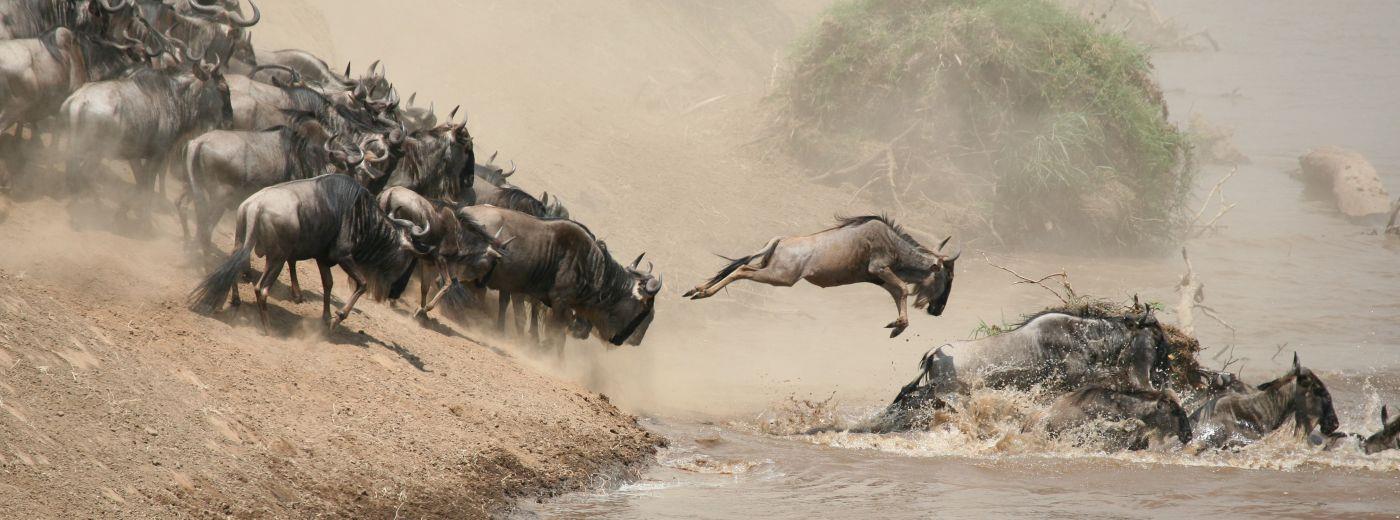
7. River Crossings Are Unpredictable
River crossings are one of the most famous migration moments. However, they do not happen on a schedule. Animals may gather for days before crossing.
Important things to remember about crossings:
- No crossing is guaranteed
- Waiting is part of the process
- Patience is essential
Some days you may see multiple crossings. Other days, none happen. Understanding this prevents disappointment and helps you enjoy whatever unfolds.
8. A Guide’s Knowledge Makes a Big Difference
Safari guides play a major role in what you see. They read animal behavior, tracks, and weather signs. Their experience improves your chances of good sightings.
Good guides help by:
- Tracking herd movement
- Positioning vehicles correctly
- Explaining animal behavior clearly
For first-time American visitors, this guidance adds comfort. You learn while observing. The safari becomes more meaningful and easier to follow.
9. The Safari Is About Observation, Not Control
The Great Migration follows nature’s rules. There is no script and no control over animal movement. This is part of its value.
You should approach the safari with:
- Flexible expectations
- Respect for wildlife space
- An open mindset
When you stop trying to predict every moment, the safari feels calmer. Each day becomes interesting in its own way. This mindset improves the overall experience.
10. Preparation Improves Enjoyment
Good preparation affects how much you enjoy the safari. Knowing what to expect reduces stress. Small choices before travel matter.
Helpful preparation steps include:
- Choosing travel dates carefully
- Packing suitable clothing
- Understanding daily routines
Prepared visitors adjust faster. You spend less time worrying and more time watching wildlife. This makes the Tanzania Great Migration easier to enjoy from start to finish.
Conclusion
A Tanzania Great Migration safari is a moving wildlife event. For first-time American visitors, understanding how timing, and conditions work makes planning clearer. Also, when expectations are realistic, the safari feels more rewarding.
This experience is about patience, and respect for nature. With the right preparation and guidance, each day offers something meaningful. Wildebeest Sightings help visitors understand migration patterns and plan with confidence. This makes the Great Migration easier to experience and appreciate. Want to witness true wildlife? Book Now! www.wildebeestsightings.com