
Stable Smarts: How to Choose the Right Equestrian Gear for Every Rider
Horse Planet have become central to guiding riders of all levels toward smarter gear decisions.
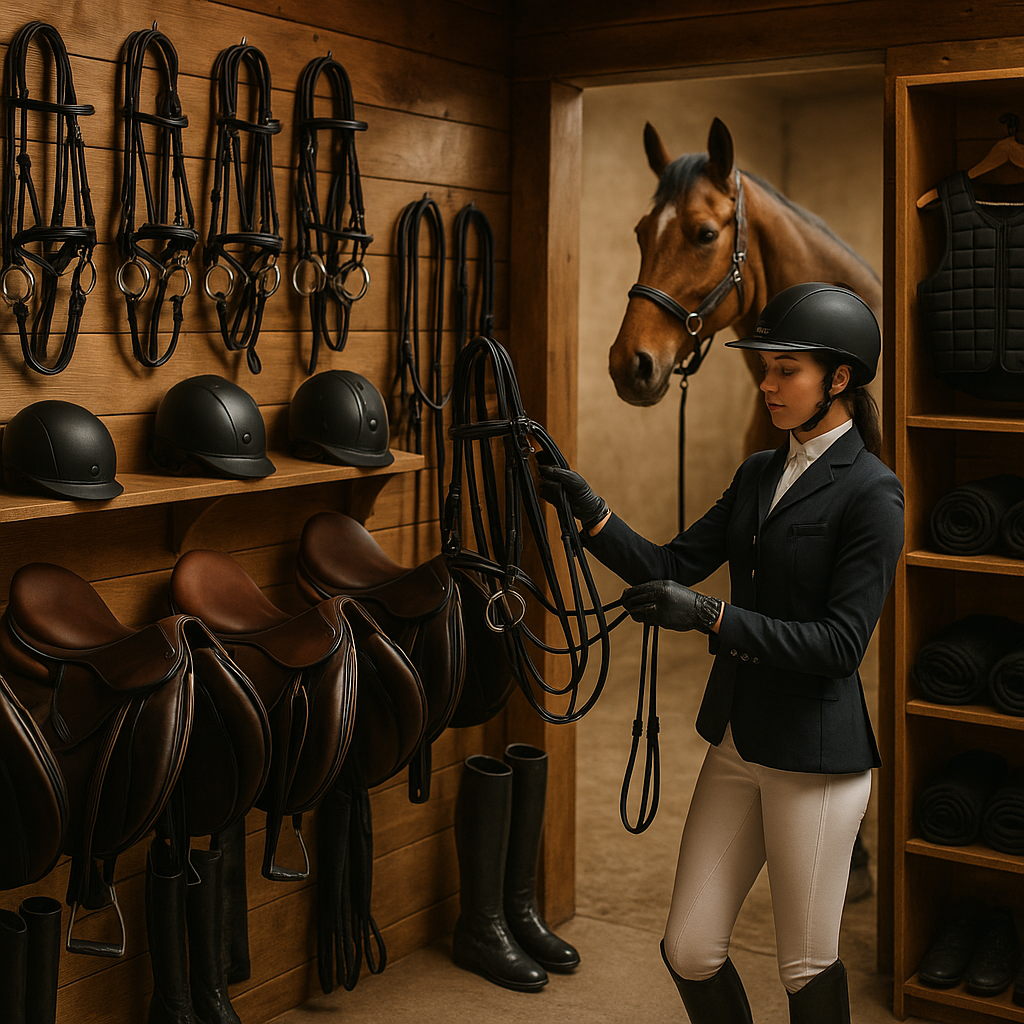
Equestrian gear isn’t just functional—it defines the rider’s safety, comfort, performance, and communication with the horse. The world of horseback riding is rooted in tradition, but it is also shaped by innovation, climate, and evolving equine needs. In the UAE, where horseback riding spans both leisure and competitive disciplines, choosing the right gear is about more than style. It’s a matter of preparedness and precision.
The gear a rider selects must reflect their experience level, riding discipline, body type, and even the temperament of their horse. From helmets to breeches, saddles to stirrups, every piece of equipment is a part of a larger language. This language is one that not only helps keep the rider safe but also enables clear communication between horse and human. Whether you are a first-time rider or a seasoned equestrian, knowing how to make informed gear choices is an essential step toward mastering the stable lifestyle.
In the UAE’s diverse equestrian circles, platforms like Horse Planet have become central to guiding riders of all levels toward smarter gear decisions. These platforms act as bridges between seasoned expertise and emerging riders, ensuring that equipment choices aren't left to guesswork. Instead, they are made with understanding, care, and long-term strategy in mind.
Understanding the Foundation of Equestrian Gear
Every rider begins with foundational gear, which includes protective wear like helmets and boots, riding apparel like breeches and gloves, and horse tack such as saddles, bridles, and pads. While these may seem like straightforward categories, the details within them matter deeply. A poorly fitting helmet compromises safety. Boots without a proper heel can slide through stirrups. Even the stitching on gloves can determine whether reins slip through your fingers or stay securely in hand.
Riding style plays a huge role here. A dressage rider may prioritize stretch and grip in their breeches, while a showjumper needs flexibility and lightness. Endurance riders look for breathable fabrics that can withstand hours in the desert sun. The discipline not only dictates the gear design but also the level of reinforcement, padding, and material breathability.
Climate is another critical factor. In the UAE, where high temperatures and sandy environments prevail, gear must offer ventilation, UV protection, and resilience against dust. Lightweight mesh jackets, sweat-wicking fabrics, and breathable padding are not luxury add-ons—they’re essentials that affect both comfort and safety during long rides or competitions.
Fit Is Everything
No matter how advanced the technology or how expensive the gear, nothing replaces proper fit. Ill-fitting equipment leads to discomfort, distraction, and in worst cases, injury. For riders, clothing that restricts movement or creates pressure points can affect balance and posture. For horses, saddles that pinch, bridles that rub, or girths that chafe can disrupt focus and cause behavioral resistance.
Gear should never be selected purely based on aesthetics or trends. It’s not uncommon to see riders wearing beautifully branded gear that fails to serve their riding needs. This happens when form is prioritized over function. The right approach is to try gear on—test it in real scenarios, feel how it performs, and assess how both the rider and the horse respond. Fortunately, equestrian events and training centers in the UAE now offer demo days where riders can experience different gear before committing to purchases.
Proper fitting also requires ongoing review. As riders grow or develop new riding styles, and as horses change shape with training or age, their gear must adapt. Riding tack, especially saddles and girths, should be re-evaluated every few months. Many riders now seek recommendations from communities like Horse Planet, where shared experiences and expert tips simplify the otherwise daunting process of gear upgrades and refitting.
Customization vs. Ready-Made: When to Invest
For those serious about riding, the question often arises—when is it worth investing in custom gear? Custom saddles, boots, or tailored jackets can significantly improve performance and comfort, but they come at a price. The decision hinges on riding frequency, competition level, and personal goals.
For competitive riders, custom-fit gear offers a tangible edge. A saddle built to match a horse’s specific conformation and the rider’s body ensures better posture, smoother movement, and fewer distractions. For leisure riders or those still developing their riding style, high-quality ready-made options offer the flexibility needed to grow and learn without the commitment of custom gear.
It’s important to know that custom doesn’t always mean better. Without proper measurements and consultation, even the most expensive gear can fall short. That’s why riders often turn to local equestrian retailers and UAE-based experts who understand the regional needs—dust-proof stitching, sand-resistant zippers, or cooling liners tailored to desert rides.
Midway through any rider’s journey, questions of budget, performance goals, and gear longevity intersect. That’s where advice shared on forums like Horse Planet becomes particularly valuable. These discussions help balance personal ambition with practical decision-making.
Tack Talk: Matching Gear to Horse and Rider
Matching gear to your riding needs means evaluating not just what works for you—but also what works for your horse. A common mistake among new riders is focusing entirely on the rider’s comfort and neglecting the fit of tack for the horse. But poor tack leads to resistance, soreness, and even long-term damage.
When selecting saddles, girths, and bridles, consider the horse’s back shape, withers, neck size, and sensitivity. Horses with high withers need specific saddle trees to avoid pressure points. Sensitive-skinned horses may require hypoallergenic or padded girths. Bit choice should match the horse’s mouth conformation and training level—not just rider preference.
The materials matter too. Leather is traditional and molds well over time, but in the UAE’s humid and hot conditions, it needs regular conditioning to prevent cracking. Synthetic options, on the other hand, are easy to maintain and more resistant to dust and sweat. Breathable saddle pads, anatomical bridles, and ergonomic stirrups are all part of the modern tack evolution that caters to both horse and rider health.
Matching doesn't just mean fit—it also means functionality. Your gear should support your discipline, adjust easily, and endure regular use without quick deterioration. And most importantly, it should foster a sense of trust in your riding partnership.
Trends That Serve Function, Not Just Fashion
Equestrian gear trends come and go. One season, it’s bold helmet colors; the next, it’s magnetic therapy pads. While fashion plays a role in the aesthetic appeal of riding, gear that looks good but performs poorly can’t justify its place in a tack room. Savvy riders know that trends should be filtered through practicality.
That said, innovation has brought real advancements. Cooling technologies in vests, ergonomic stirrup designs that reduce knee strain, pressure-distributing girths, and shock-absorbing boots are not just stylish—they enhance safety and comfort. These innovations are particularly useful in high-intensity disciplines like show jumping, endurance riding, and eventing.
The UAE’s elite riders often test and showcase these items during events, providing valuable feedback for the broader community. This peer-led evaluation—amplified on channels like Horse Planet—helps separate passing fads from lasting improvements in gear.
Preparing for Growth and Change
Every rider evolves. A beginner who starts in trail riding may discover a passion for dressage. A school horse may retire, and a new mount may require completely different tack. That’s why your gear strategy should always leave room for growth. Flexibility matters.
Smart riders build a gear collection that’s modular—one that can be adjusted, upgraded, or expanded based on experience. Instead of buying all the “best” equipment at once, they build slowly, learning what works and what doesn’t. They develop a relationship not just with their horse, but with the gear that supports their journey.
Keeping a gear log can help—tracking wear and tear, noting saddle adjustments, or even listing what works for specific competitions. Over time, this builds a knowledge base unique to each rider, allowing for better decisions with each gear investment.
Conclusion
Choosing equestrian gear is not a one-time decision—it’s an ongoing relationship with your sport, your horse, and your goals. The right gear does more than complete your outfit; it completes your ride. It speaks of discipline, care, and intent. In the UAE’s growing equestrian community, making informed gear choices sets the foundation for safety, performance, and connection.
Smart riders understand that gear is not about price or brand alone—it’s about purpose, fit, and future-readiness. Platforms like Horse Planet continue to shape that understanding, bringing riders together to share what works, what doesn’t, and what truly supports both horse and rider on every path they take.
At its best, equestrian gear empowers. It transforms ordinary moments in the saddle into extraordinary ones. And the smarter you choose, the further you go—not just across the arena, but within the lifelong journey of horsemanship.