
Renovating vs Rebuilding: Which Is Best for You?
Not sure whether to renovate or rebuild? Learn the pros, costs, and lifestyle impacts of each to choose the best path for your Australian home.
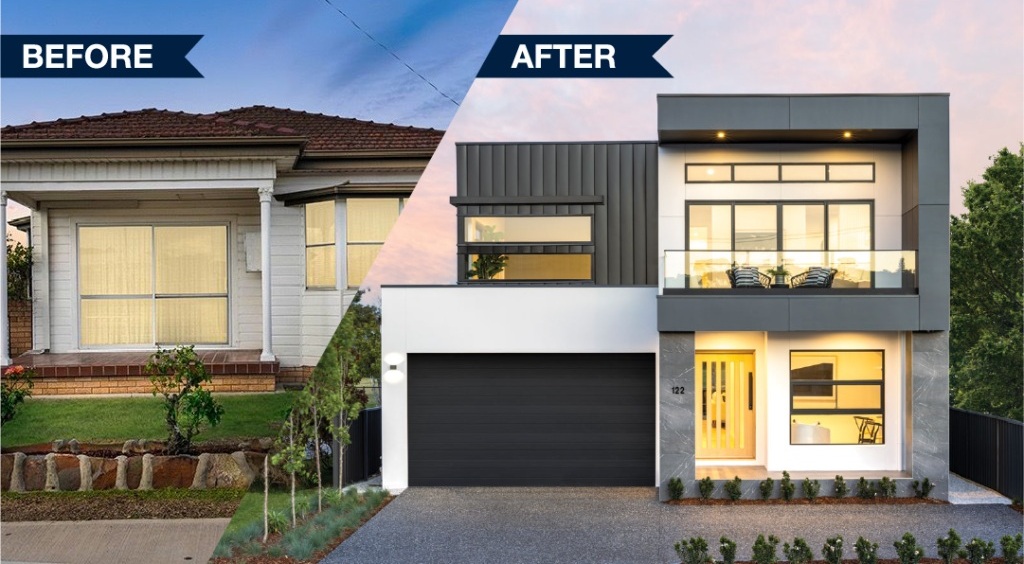
Deciding whether to renovate your current home or knock it down and start fresh is one of the biggest choices a homeowner can make. It affects your budget, your timeline, and how you’ll live in the space for years to come. While both options can dramatically improve your lifestyle and property value, the right path depends on your goals, your home's condition, and how you want to use your land.
In many cases, people begin by looking at smaller home improvements to update tired rooms, only to realise their existing layout no longer suits their needs. Families grow, work-from-home setups become permanent, and what once felt spacious can suddenly feel cramped. That’s when the bigger question arises: should you work with what you have, or is it time to start over?
Understanding What Renovation Really Means
Renovation is the process of improving or modifying an existing structure. This might include updating kitchens and bathrooms, reconfiguring rooms, or adding a new extension. For many Australian homeowners, renovation is appealing because it allows them to preserve their home's character while adapting it to modern living.
Renovating can be less disruptive than rebuilding, especially if only part of the home is being upgraded. It is also more cost-effective when the house's core structure is sound. If you love your neighbourhood and your home has strong foundations, renovation lets you improve functionality without giving up what you already enjoy.
When Rebuilding Becomes the Better Option
Rebuilding involves demolishing the existing home and constructing a new one from scratch. While this may sound extreme, it can be the smartest choice in certain situations. Older homes with major structural issues, outdated wiring, or poor insulation can be expensive to fix. In these cases, rebuilding may actually cost less in the long run.
A new build also gives you complete freedom over design. You can create a layout that suits your lifestyle, maximise energy efficiency, and take advantage of modern building materials. If your block of land has great potential but the current house is holding it back, rebuilding can unlock that value.
Comparing Costs and Long-Term Value
One of the most common questions homeowners ask is which option is cheaper. The answer isn’t always straightforward. Renovations can seem affordable at first, but unexpected issues such as asbestos, outdated plumbing, or structural damage can quickly add to the budget. Rebuilding, on the other hand, has higher upfront costs but usually offers more predictable pricing and fewer surprises.
In terms of long-term value, a new home often delivers better energy efficiency, lower maintenance costs, and a higher resale value. However, a well-planned renovation in a sought-after area can also provide an excellent return on investment.
Lifestyle, Timing, and Emotional Factors
Beyond money, your lifestyle and emotional connection to your home matter. Renovating allows you to keep the memories, the garden, and the familiar feel of your house. Rebuilding, while exciting, usually means moving out temporarily and starting again.
Think about how long you plan to stay, how much disruption you can handle, and whether you are emotionally ready to let go of the old structure.
Making the Right Choice for Your Future
There is no universal answer to the debate over renovating versus rebuilding. The best decision comes from carefully assessing your home’s condition, your budget, and your long-term goals. Consulting experienced builders and designers can help you understand what is realistically possible on your site.
Whether you choose to refresh what you have or create something entirely new, the key is making a decision that supports your lifestyle today and adds lasting value for tomorrow.