
Protect Your Shuttle Fleet with Smart Insurance Coverage
Keep your shuttles, drivers, and passengers safe with tailored insurance that ensures smooth operations, peace of mind, and worry-free transport every day.
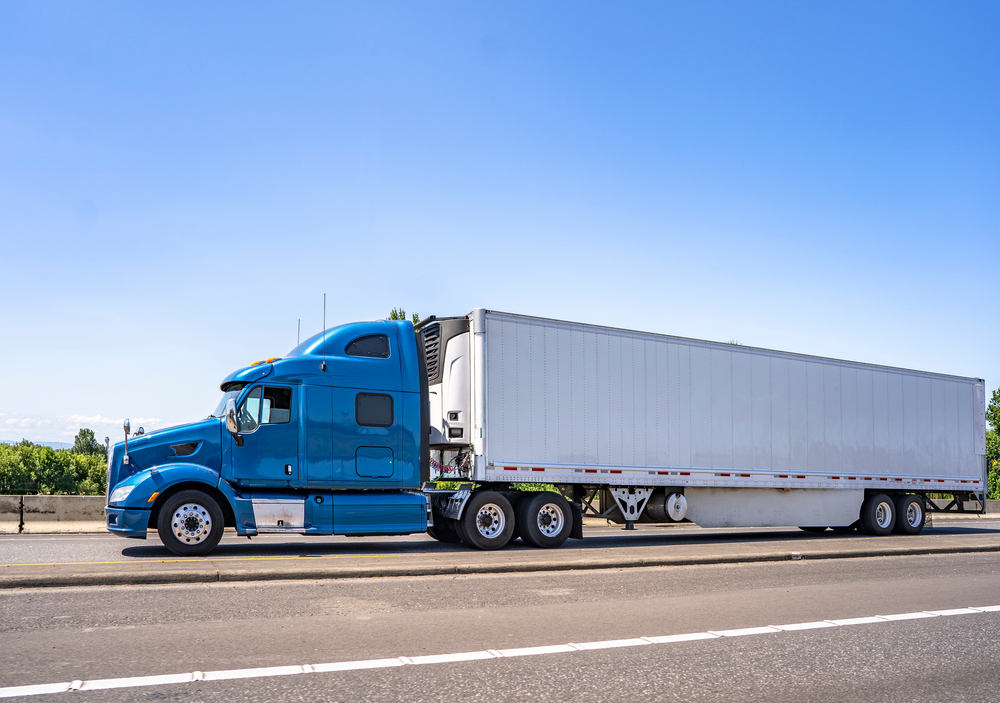
The steady hum of a shuttle bus represents far more than mere transportation. It symbolizes connectivity, reliability, and the vital service of moving groups of people toward their destinations. For businesses operating these vehicles, whether for airport transfers, corporate campus mobility, senior community trips, or hotel guest services, each journey is a commitment to safety and punctuality. Your shuttle is more than a vehicle; it is the frontline of your service promise, carrying students, employees, tourists, or residents. This responsibility carries a weight that standard business auto policies are not designed to shoulder. The logistics of managing multiple passengers, adhering to strict schedules, and navigating varied road conditions create a unique risk profile. Recognizing this specialized need is the first step in moving from simple vehicle ownership to operating a truly protected and professional passenger service.
A single incident involving a shuttle can have profound and cascading consequences. The potential for multiple injury claims, significant property damage, and debilitating legal liability requires a financial safety net of considerable strength. Beyond accident liability, operational risks include damage to the valuable vehicle itself, theft of belongings, and the unique exposures that come with serving the public. Insurance for a shuttle service, therefore, cannot be an afterthought or a checkbox on a compliance form. It must be a strategically designed component of your business infrastructure. Effective coverage transforms unpredictable risk into a managed aspect of your operation. It provides the stability required to bid on contracts, assure client institutions of your reliability, and most importantly, ensure that every passenger boards with the confidence that they are in secure hands. This peace of mind allows you to focus on the quality of service and the growth of your routes.
Constructing a Comprehensive Coverage Framework
A robust insurance plan for a shuttle service is built with specific, layered protections that address the full spectrum of operational risk. Primary auto liability coverage serves as the essential foundation, legally required to cover bodily injury and property damage your vehicle may cause to others. Given the potential severity of an accident involving multiple passengers, liability limits must be carefully considered. Many operations find that state minimums are insufficient, with higher limits often being a prerequisite for securing contracts with municipalities, airports, or large corporations. Physical damage coverage, comprising both collision and comprehensive elements, protects your capital investment in the shuttle itself from accidents, theft, vandalism, and weather events. For a financed asset, this coverage is typically mandatory.
A critical element for any passenger transport operation is uninsured and underinsured motorist coverage. This protects your business and your passengers if another driver causes an accident but lacks adequate insurance to cover the resulting injuries, which is a common scenario. Medical payments or personal injury protection can provide immediate coverage for minor passenger injuries regardless of fault. Furthermore, non-owned and hired auto liability is indispensable. This coverage applies if you or an employee causes an accident while using a rental vehicle or even a personal car for a business errand, filling a dangerous gap. For a complete picture of how these components integrate, a business owner should thoughtfully browse web page resources and consult with experts to understand endorsements for things like rental reimbursement or specific coverage for customer property left onboard. Each policy must be tailored to the shuttle’s specific use case, passenger type, and operational territory to ensure seamless protection.

Navigating a Labyrinth of Regulations
Legal compliance for shuttle services operates under a demanding framework of federal and state regulations that directly dictate insurance requirements. A primary factor is the vehicle’s seating capacity and its use classification. The Federal Motor Carrier Safety Administration (FMCSA) sets stringent standards for vehicles designed to transport 16 or more passengers, including the driver, for compensation. These vehicles require specific operating authority and federal filings demonstrating substantial financial responsibility, often with liability limits reaching $5 million. For smaller shuttles, state regulations take precedence, but they too have distinct and often complex rules.
The purpose of the shuttle’s operation critically influences its regulatory classification. An airport shuttle service may be subject to both Department of Transportation regulations and specific airport authority mandates, including rigorous vehicle inspections and certified driver training programs. A shuttle operating exclusively within a private corporate park or university campus might operate under different rules, but still must carry robust liability insurance as dictated by the contracting entity. For services transporting senior citizens or individuals with special needs, additional duty of care considerations and potentially higher liability limits come into play. It is a common and costly error to assume a generic commercial auto policy meets all these nuanced requirements. Proactive verification with your insurance provider that your policy includes all necessary endorsements and meets the specific legal thresholds for your service type is essential to avoid severe penalties and coverage gaps.
Assessing the Variables That Shape Your Premium
The cost of insuring a shuttle is a calculated reflection of risk, derived from a detailed assessment of your operation’s profile. One of the most powerful factors under your control is the driving record and professional experience of your team. A fleet of drivers with clean histories and specialized passenger endorsement training demonstrates lower risk and is central to securing favorable premiums. Conversely, moving violations or past accidents among drivers can substantially increase costs. The specific operational use of the shuttle is equally scrutinized. A vehicle running predictable, fixed routes for a corporate client presents a different risk model than one providing on-demand hotel guest service in a high-traffic tourist district or operating late-night student transit.
Vehicle specifications are fundamental to the pricing structure. The shuttle’s make, model, age, seating capacity, and especially its current market value are primary rating factors. Newer, higher-capacity vehicles cost more to insure due to their greater repair and replacement costs. The geographic area where the shuttle is garaged and primarily operates significantly influences the premium. Urban centers with dense traffic patterns, higher accident frequencies, and greater claims for theft or vandalism typically command higher rates than rural or suburban territories. Other key considerations include the total annual mileage, the chosen deductibles for physical damage coverage, and the implementation of any safety or telematics technology that promotes and verifies safe driving behavior.
Cultivating a Culture of Proactive Safety
Securing a tailored insurance policy is a vital defensive measure, but building a proactive safety culture represents the highest standard of operational excellence. This strategic approach actively reduces risk and can lead to more sustainable insurance costs. Instituting a formal driver qualification and ongoing training program is the cornerstone. This involves regular motor vehicle record checks for all drivers, mandatory pre-employment and periodic defensive driving courses, and documented safety meetings that review protocols and address specific scenarios like passenger assistance or emergency procedures.
Technology offers powerful tools to reinforce this culture. Installing telematics devices or using fleet management software provides data on driving habits such as hard braking, rapid acceleration, and idling. This information is invaluable for coaching drivers toward smoother, safer operation and can often be presented to insurers as evidence of a managed risk program. Implementing strict, logged vehicle maintenance schedules according to manufacturer specifications prevents mechanical failures and underscores professional stewardship of the asset. From a financial perspective, exploring options like higher deductibles for physical damage coverage or seeking bundling discounts for multiple vehicles can help manage premium expenses without compromising essential protection levels.
Conclusion: Steering Toward Sustainable Service
Obtaining and maintaining proper insurance for a shuttle service is a dynamic and integral aspect of professional transportation management. The journey begins with a clear understanding of the mandatory liability and physical damage coverages required by law and contract, then expands to include the additional protections that shield passengers and business assets. Comprehending the intricate regulatory landscape ensures operations remain fully compliant and credible in the eyes of governing bodies and contracting partners. By understanding the factors that influence premium calculations, from driver credentials to operational territory, business owners can make informed decisions that align comprehensive protection with fiscal responsibility.
The most resilient and reputable services, however, view insurance as one crucial element within a broader philosophy of safety and professionalism. By integrating a robust insurance policy with an unwavering commitment to rigorous driver training, technological safety aids, and meticulous vehicle maintenance, a shuttle service does more than simply limit liability. It builds an enduring foundation of trust with the communities and clients it serves. This holistic approach safeguards your investment, protects the passengers entrusted to your care, and secures the operational reputation that fuels growth. It allows your business to navigate the road ahead with confidence, ensuring that every journey you provide is not only convenient but also unquestionably secure, fostering a legacy of reliability that moves people safely forward.