Matcha Market: Edible Wellness—Matcha’s Surge in Healthy Snacks
The global matcha market is poised for sustained growth through 2030, supported by increasing health awareness, expanding applications across food and beverage categories, and rising demand for natural and functional ingredients.
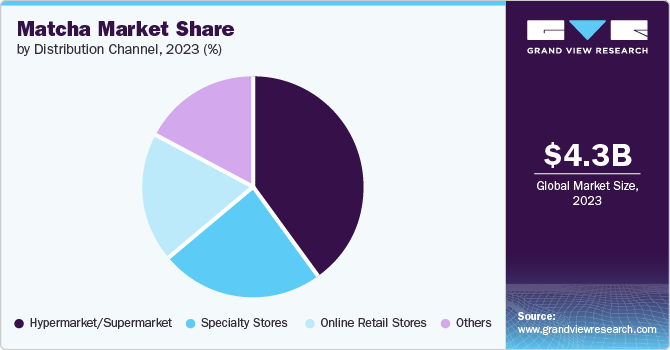
The global matcha market was valued at USD 4.3 billion in 2023 and is projected to reach USD 7.43 billion by 2030, growing at a CAGR of 7.9% from 2024 to 2030. Market growth is primarily driven by rising health consciousness and increasing consumer awareness of the nutritional and functional benefits of matcha.
Matcha is a minimally processed green tea rich in antioxidants, particularly catechins, which are associated with improved metabolism, reduced risk of chronic diseases, and enhanced cognitive function. According to a study published by the National Institutes of Health (2023), matcha green tea may positively influence gut health due to its high content of tea catechins and insoluble dietary fiber. These health benefits, combined with growing awareness of the adverse effects of sugary beverages, are significantly boosting global demand for matcha-based products.
The increasing incorporation of matcha into beverages, functional foods, dietary supplements, and ready-to-drink formats is further expanding its consumer base across both traditional and emerging markets.
Key Market Trends & Insights
- The Asia Pacific matcha market dominated the global market, accounting for 57.76% of total revenue in 2023, supported by strong cultural consumption and production bases.
- The Japan matcha market is expected to witness rapid growth in the coming years, driven by premium-grade exports and rising global demand.
- By grade, the classic grade segment led the market with a 57.1% share in 2023, owing to its widespread use across beverages and food applications.
- By application, regular tea accounted for the largest revenue share of 53.1% in 2023, reflecting strong consumer preference for traditional consumption formats.
- By distribution channel, offline retail dominated the market in 2023, supported by specialty stores, supermarkets, and health food outlets.
Download a free sample PDF of the Matcha Market Intelligence Study by Grand View Research
Market Size & Forecast
- 2023 Market Size: USD 4.3 Billion
- 2030 Projected Market Size: USD 7.43 Billion
- CAGR (2024–2030): 7.9%
- Largest Market (2023): Asia Pacific
Competitive Landscape
The matcha market is moderately competitive, with key players focusing on product innovation, organic certifications, clean-label formulations, and expanded retail distribution. Leading companies shaping the market include:
- Aiya America Inc.
- The AOI Tea Company
- Ippodo Tea USA
- Vivid Vitality Ltd
- DoMatcha
- Encha
- Garden To Cup Organics
- TEAJA Organic
- Midori Spring
- Jade Monk
Recent Developments
- June 2024 – Aiya America, Inc. expanded its distribution footprint to Whole Foods Market, introducing five matcha products, including Sweetened Matcha To Go, Organic Ceremonial Grade Matcha, Matcha To Go, Organic Culinary Grade Matcha, and Sweetened Roasted Matcha To Go.
- May 2024 – Goli Nutrition Inc. launched Matcha Mind Cognitive Gummies, formulated with clinically studied Cognizin and matcha to support focus, attention, and cognitive health.
- February 2024 – Starbucks introduced the Iced Strawberry Matcha Tea Latte, combining classic matcha with vanilla syrup, ice, and strawberry cold foam.
- February 2023 – Kataoka & Co., Ltd. launched Matcha Direct, an e-commerce platform offering ground-to-order fresh matcha sourced directly from tea factories in Kyoto, catering to both professional and home users.
- December 2022 – MatchaKo launched the first Non-GMO Project Verified, certified organic, and vegan ready-to-drink premium matcha beverage.
Explore Horizon Databook – the world’s most comprehensive market intelligence platform by Grand View Research.
Conclusion
The global matcha market is poised for sustained growth through 2030, supported by increasing health awareness, expanding applications across food and beverage categories, and rising demand for natural and functional ingredients. Asia Pacific is expected to maintain its leadership position, while product innovation, premiumization, and digital retail expansion will continue to shape competitive dynamics. Companies that emphasize quality sourcing, clean-label credentials, and diversified product offerings are likely to gain a competitive edge in the evolving matcha industry.