Ice Dam Prevention 101: The Role Of Attic Insulation and Venting!
The R‑Value measures insulation’s ability to resist heat transfer. Many homes fall short, letting heat escape and snow melt prematurely.
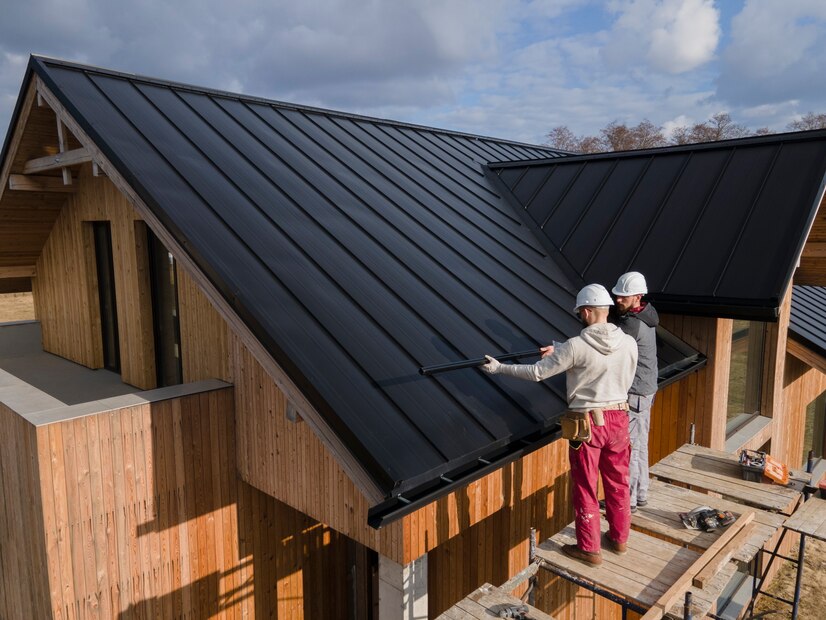
What if the snow on your roof melts and refreezes, slowly creeping into your ceilings, walls, and floors, without you noticing until it’s too late? Many homeowners in the Bronx and nearby suburbs think replacing shingles is the solution, but the real culprit is heat escaping from your attic. Proper insulation and ventilation are the key — and if you’re considering roof repair Westchester County, focusing on attic thermodynamics can save you thousands.
Why Ice Dams Are More About Attics Than Roofs Ice dams form when warm air from your home leaks into the attic, warming the roof deck. Snow melts at the top, runs down, and refreezes at the colder eaves, creating a barrier that traps water. Surprisingly, over 80% of ice dam cases are caused by heat loss, not poor shingles.
If you think more shingles will stop this, think again, even the best roofing materials fail when attic airflow is ignored.
Attic Insulation R‑Value: Your First Line of Defense The R‑Value measures insulation’s ability to resist heat transfer. Many homes fall short, letting heat escape and snow melt prematurely. Raising attic insulation to recommended levels — R‑49 or higher in cold climates, keeps the roof cold, preventing ice dams. Every inch of added insulation is a barrier against winter damage. When you invest in roof repair Westchester County, ask your contractor to evaluate R‑Value first — it often solves more problems than replacing shingles.
Proper Venting: Why Soffit and Ridge Vents Matter Even excellent insulation can’t do it alone. Attic ventilation balances temperature by letting cold air in through soffit vents and warm air out through ridge vents. Without this airflow, warm pockets form, melting snow and inviting ice dams. A well-vented attic can drastically reduce winter maintenance and protect gutters and fascia from ice buildup.
But here’s the tricky part: improper venting can make matters worse, pushing warm air into areas that insulation alone can’t protect.
Gutter and Eaves Care: The Often-Overlooked Step Even with proper insulation and venting, clogged eaves troughs can negate your efforts. Ice dams form when water can’t escape, seeping under shingles and causing interior damage. Regular cleaning, proper slope, and functioning downspouts are essential. Adding heat tracing cables along tricky eaves can help melt stubborn ice, but they are only a supplement not a replacement — for system-level fixes.
A recent study shows that nearly 31.4 million U.S. homes face significant ice dam risk each winter, highlighting that preparation is not optional.
System-Level Solutions That Work When working with trusted roofing contractors Westchester, focus on:
- Proper attic insulation R‑value
- Air sealing around lights, ducts, and hatches
- Balanced soffit-to-ridge ventilation
- Clean, functioning gutters
- Heat tracing cables if needed
This approach keeps snow from melting prematurely, prevents leaks, and protects your home’s interior — all without constantly worrying about shingles. If your goal is a dry, winter-ready home, tackling attic thermodynamics is smarter than chasing visible roof damage. And if you’re planning roof repair Westchester County, this system-level focus is your best investment.
Last Note
With the right insulation, airflow, and drainage, ice dams stop being a threat — and your home stays safe and warm all season long. One misstep in ventilation or insulation, however, can turn a calm winter into a costly disaster.