
How to Find Anyone in the USA: 85 Tools You Need to Know
How to Find Anyone in the USA: 85 Tools You Need to Know
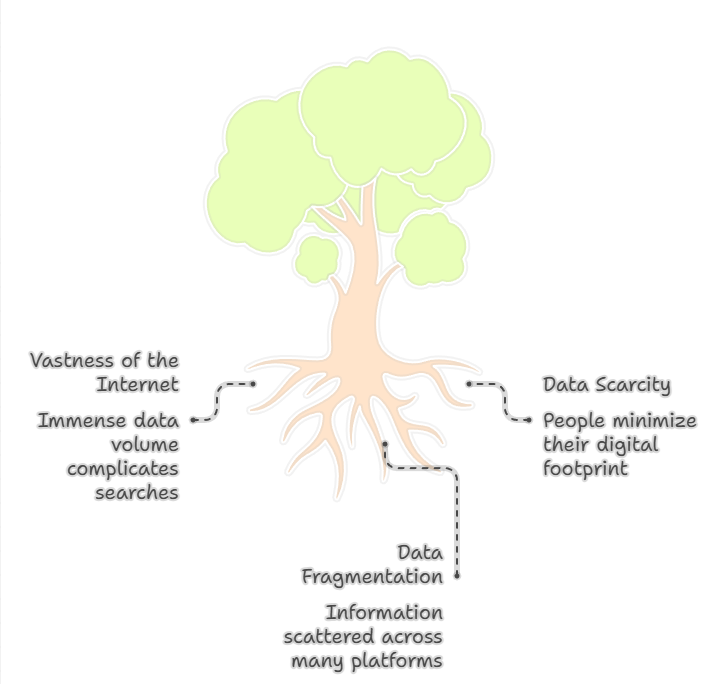
Finding someone in the United States can feel like searching for a needle in a haystack. Whether it’s an old friend, a long-lost relative, or someone you need to reconnect with for professional or personal reasons, the task can seem overwhelming. Fortunately, in today’s digital era, a combination of traditional methods and modern technology makes this process far easier. This guide will walk you through eighty-five powerful tools and strategies to help you locate anyone in the USA, legally and effectively.
Understanding the Basics of People Search
Before diving into the tools, it’s essential to understand what goes into a successful people search. At its core, locating someone involves gathering pieces of publicly available information and connecting them logically. Key details that increase your chances of success include:
- Full name (including middle names or initials)
- Last known location
- Email address or phone number
- Social media profiles
- Professional affiliations
Using these pieces of information strategically across different tools can help you narrow down your search effectively. Remember, the more information you have, the easier it becomes to identify the correct person, especially in a country as large and diverse as the USA.
Traditional Methods That Still Work
Despite the digital revolution, traditional methods of finding people remain relevant. These methods are often free and can provide reliable results when online searches come up empty.
Public Records and Government Databases
Public records are official documents accessible by the public that contain a wide range of information. These records can include birth and death certificates, marriage licenses, court records, and property ownership. Some key sources include:
- County clerk offices
- State vital records websites
- Federal court records
Using these databases requires patience, as some may only be accessible in person, but the information is highly accurate.
Local Libraries and Archives
Libraries are gold mines for genealogical and local history research. Many local libraries provide access to city directories, old newspapers, and special archival collections that can help you track someone down. Librarians can also guide you toward resources you may not find online.
Networking and Personal Contacts
Never underestimate the power of human connections. Asking friends, family, former colleagues, or classmates can often lead to surprising breakthroughs. Social networking offline—such as joining local community groups or attending events—can also be a surprisingly effective method.
Leveraging Social Media Platforms
Social media platforms are some of the most effective tools for locating people today. With billions of users combined, they provide real-time information that is difficult to find elsewhere.
Facebook remains one of the most powerful platforms for finding people. You can search by name, location, school, or workplace. Facebook groups related to communities, hobbies, or alumni associations can also help in tracking someone down.
For professional connections, LinkedIn is unmatched. Searching by name, profession, or company can help you locate someone in a business context. LinkedIn also allows you to see mutual connections, which can be useful for networking.
Instagram and Twitter
Visual platforms like Instagram can provide location-based information through geotags or public posts. Twitter’s search functions let you find users by name, username, or even keywords they frequently tweet about.
Niche Social Networks
Some people are active in niche communities rather than mainstream social media. Sites like Reddit, specialized forums, or hobby-specific networks can offer valuable leads.
Utilizing People Search Engines
Several dedicated people search engines combine data from multiple sources to provide a comprehensive view of an individual. These tools often pull information from public records, social media, and online directories.
Whitepages
Whitepages provides phone numbers, addresses, and background checks. It’s one of the oldest and most trusted directories in the USA.
Spokeo
Spokeo aggregates information from social networks, public records, and other databases, offering a detailed profile that includes contact information and location history.
BeenVerified
BeenVerified compiles data from various sources to provide a complete overview, including criminal records, social profiles, and property records. It is especially useful for people who have changed locations multiple times.
Pipl
Pipl is designed for deep web searches, pulling information from public records, social profiles, and professional databases. It’s particularly effective for locating someone with minimal initial information.
Exploring Reverse Lookup Tools
Reverse lookup tools allow you to start with one piece of information—such as a phone number, email address, or username—and find the person behind it.
Phone Number Lookup
Websites like TrueCaller or AnyWho allow you to enter a phone number and discover the name, location, or even additional contact details associated with it.
Email Address Search
If you have someone’s email, tools like Hunter.io, VoilaNorbert, or RocketReach can help you find linked social profiles or business information.
Username Search
Many people use the same username across multiple platforms. Tools like KnowEm or Namechk allow you to see which platforms a username is associated with, potentially revealing hidden social profiles.
Investigating Government and Legal Resources
Government and legal databases are invaluable when looking for people in the USA. They provide verified, official information that can help track someone legally.
Voter Registration Records
Voter registration databases are public in many states. Searching for someone’s registration can reveal their address, voting district, and sometimes even party affiliation.
Court Records
Court databases can reveal a person’s legal history, including civil lawsuits, criminal records, or divorce filings. PACER (Public Access to Court Electronic Records) is a key federal resource.
Property and Tax Records
County assessor websites often provide property ownership information. Searching by name or address can reveal where someone owns or rents property.
Investigating Professional and Academic Connections
If the person you are looking for has a professional or academic history, several resources can help you track them down.
Alumni Networks
Many schools maintain alumni directories or networking platforms. Accessing these can reconnect you with former classmates or graduates of a particular program.
Professional Licenses
Certain professions—like doctors, lawyers, and real estate agents—require licenses that are publicly listed. Searching state licensing boards can yield addresses and contact information.
Industry Directories
Some industries maintain membership or professional directories, especially for associations like bar associations, medical boards, or engineering societies.
Employing Advanced Online Tools
Some specialized tools combine multiple sources or use advanced algorithms to locate individuals more efficiently.
Social Catfish
Social Catfish is ideal for verifying identities and finding people across social platforms. It combines facial recognition with detailed background information.
TruthFinder
TruthFinder aggregates public records, criminal histories, social profiles, and contact information. It’s particularly useful when you have limited initial information.
Intelius
Intelius allows you to search by name, phone number, or address. It provides background checks, contact information, and location history.
PeopleFinders
PeopleFinders is a comprehensive search tool that combines public records with social media profiles and professional information.
Safety and Privacy Considerations
While finding someone can be helpful, it’s crucial to respect privacy and legal boundaries. Here are some important points to keep in mind:
- Always use publicly available or legally obtained information.
- Avoid harassment, stalking, or any behavior that could be deemed illegal.
- Respect sensitive personal information, especially regarding minors or private matters.
- Consider why you are searching for someone and whether reaching out is appropriate.
Being ethical and responsible ensures your search is both effective and lawful.
Combining Methods for Maximum Success
Often, no single tool is enough. Combining multiple approaches increases your chances of success. For example, you might:
- Start with social media searches to find recent activity.
- Cross-check addresses and phone numbers with public records.
- Use reverse lookup tools to validate contact information.
- Reach out through professional networks if appropriate.
This multi-layered approach ensures you gather the most accurate and up-to-date information.
Frequently Asked Questions About Finding People in the USA
Can I find someone if I only know their first name? Yes, but it will be more challenging. Combining the first name with additional details like location, age, or known connections increases the likelihood of success.
Are all people search tools free? No, many advanced tools charge fees for detailed reports or premium features. Free tools may provide basic information but could be limited in accuracy.
Is it legal to use these tools? Yes, as long as you use publicly available information and do not engage in harassment or fraud. Tools that aggregate public records or social media information are legal in the USA.
Can I find someone who has deliberately hidden their information? It’s difficult but not impossible. Some people actively remove or protect their information online. Professional investigators or specialized deep web tools may help, but results aren’t guaranteed.
What is the best starting point? Start with what you know: a full name, location, or contact info. Social media platforms and people search engines often provide the fastest leads.
Finding someone in the USA has never been easier, but success requires patience, strategy, and ethical consideration. By combining traditional methods with modern technology, you can locate almost anyone while respecting their privacy and legal boundaries. These 85 tools, ranging from social networks to public records and advanced search engines, provide a comprehensive toolkit for reconnecting with the people you’re looking for. With persistence and careful research, finding anyone in the USA is no longer a daunting task—it’s entirely achievable. click here internations.net for more details.