
How to Choose the Right West Yellowstone Lodging at the Gateway to Adventure
Discover the best West Yellowstone lodging options, from cozy cabins to modern rentals, and find the perfect stay for your adventure.
West Yellowstone is more than just an entry point to Yellowstone National Park, it’s a destination in its own right. Nestled against the park’s western boundary, this small Montana town serves as a basecamp for wildlife encounters, geothermal wonders, outdoor recreation, and quiet moments of awe. Choosing the right West Yellowstone lodging can shape how you experience the region, whether you’re visiting for a weekend getaway, a family vacation, or a once-in-a-lifetime national park adventure.
Unlike larger resort towns, West Yellowstone has a distinct rhythm. Mornings begin early, fueled by anticipation of geysers and bison sightings. Evenings wind down with stories shared over dinner and the hum of travelers preparing for the next day. Lodging here isn’t just about a place to sleep, it’s about comfort, access, and aligning your stay with how you want to experience Yellowstone.
This guide explores lodging from multiple angles: location, lodging styles, seasonal considerations, and how to choose accommodations that fit your travel priorities.
Why West Yellowstone Is a Preferred Place to Stay
West Yellowstone sits just outside the West Entrance of Yellowstone National Park, making it one of the most convenient lodging hubs in the region. The town offers quick access to iconic sights such as Old Faithful, Madison River, and Grand Prismatic Spring while still providing restaurants, shops, and services that aren’t available deep inside the park.
Staying in West Yellowstone allows visitors to:
- Enter the park early in the morning
- Avoid long commutes from distant towns
- Return to town for meals, rest, or supplies
- Enjoy a wider range of lodging options than those inside the park
For many travelers, this balance of proximity and comfort is what makes West Yellowstone lodging so appealing.
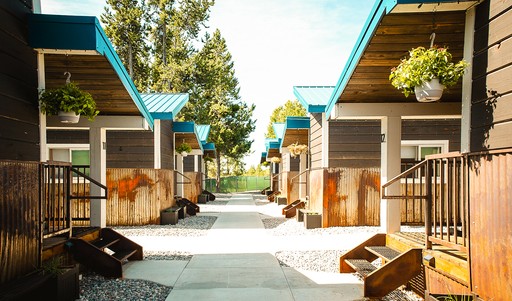
Types
One of the strengths of West Yellowstone is the variety of accommodations available. Whether you’re traveling solo, as a couple, or with a large group, there are options to match different budgets and expectations.
Hotels and Motels
Hotels and motels are the most common form of West Yellowstone lodging. These range from budget-friendly roadside motels to modern hotels with upgraded amenities.
Typical features include:
- Easy check-in and check-out
- Parking close to rooms
- Proximity to dining and shops
- Seasonal availability (many operate May–October)
For visitors focused on spending full days inside Yellowstone, hotels offer convenience and simplicity.
Cabins and Lodges
Cabins and lodges are popular with travelers seeking a more rustic or immersive experience. These accommodations often reflect the region’s natural character, featuring wood interiors, fireplaces, and outdoor seating.
Cabins are well-suited for:
- Families or small groups
- Longer stays
- Travelers who value privacy and space
Many lodges also offer communal areas where guests can relax after long park days.
Vacation Rentals
Vacation rentals have grown in popularity in West Yellowstone, especially for multi-day stays. These include condos, homes, and townhouses with full kitchens and multiple bedrooms.
Advantages of vacation rentals include:
- More room to spread out
- Ability to cook meals
- Ideal for extended stays
- Suitable for group travel
This type of lodging appeals to travelers who want a home-like environment close to nature.
Campgrounds and RV Parks
For outdoor enthusiasts, camping and RV accommodations are an integral part of the West Yellowstone experience. The area offers developed campgrounds as well as RV parks with hookups and basic amenities.
Camping is especially popular during peak summer months and provides:
- A closer connection to nature
- Budget-friendly options
- Flexibility for road trippers
Due to high demand, reservations are strongly recommended.
Seasonal Factors That Affect Lodging Choices
West Yellowstone is a seasonal destination, and lodging availability varies dramatically throughout the year. Understanding the seasons helps travelers plan more effectively.
Summer (June–September)
Summer is the busiest time for Yellowstone. Yellowstone’s roads are fully open, wildlife is active, and weather conditions are generally favorable.
During this period:
- Lodging books months in advance
- Prices are at their highest
- Town amenities operate at full capacity
Early planning is essential for summer visits.
Shoulder Seasons (May and October)
Spring and fall offer quieter experiences, with fewer crowds and cooler temperatures. Some lodging options may close temporarily, but those that remain open often offer better availability.
These seasons are ideal for:
- Wildlife viewing
- Photography
- Travelers seeking a slower pace
Winter (November–April)
Winter transforms West Yellowstone into a snow-covered gateway for snowmobiling, cross-country skiing, and guided winter tours of Yellowstone.
Winter lodging considerations include:
- Limited availability
- Specialized accommodations for snow travelers
- Reduced dining and retail options
For those prepared for winter conditions, West Yellowstone lodging offers a unique and peaceful experience.
Location Matters: Where to Stay in Town
West Yellowstone may be small, but location still plays a role in choosing lodging.
Near the Park Entrance
Staying close to the West Entrance allows for quick access to Yellowstone, especially for sunrise wildlife viewing or early tours.
This area is ideal for:
- First-time visitors
- Short stays
- Travelers prioritizing park access
Downtown West Yellowstone
Downtown lodging places visitors within walking distance of restaurants, shops, museums, and local attractions.
This area suits:
- Travelers without a car
- Families
- Those who enjoy evening strolls and dining options
Outskirts and Surrounding Areas
Lodging on the outskirts of town offers a quieter environment with more space and scenic surroundings.
Best for:
- Extended stays
- Travelers seeking privacy
- Nature-focused experiences
Choosing Lodging Based on Travel Style
Every traveler approaches Yellowstone differently. Matching lodging to your travel style can significantly improve your experience.
For Families
Families often prioritize space, convenience, and flexibility. Lodging with multiple beds, kitchen access, and nearby dining options is especially valuable.
For Couples
Couples may prefer cozy cabins, boutique lodges, or quieter hotels that offer ambiance and comfort after long days exploring.
For Solo Travelers
Solo travelers benefit from centrally located hotels or lodges with easy access to tours, transportation, and dining.
For Adventure Travelers
Those focused on hiking, fishing, or snowmobiling often choose lodging with gear storage, early breakfast options, and easy road access.
Amenities That Enhance the Experience
While the main attraction is Yellowstone itself, lodging amenities can make a difference after full days outdoors.
Commonly sought amenities include:
- On-site parking
- Breakfast options
- Wi-Fi (though connectivity can be limited)
- Laundry facilities
- Pet-friendly policies
When comparing West Yellowstone lodging, consider which amenities matter most for your stay.
Booking Tips
Because of high demand, booking strategies matter.
Helpful tips include:
- Reserve early for summer travel
- Check cancellation policies
- Confirm seasonal operating dates
- Read recent guest reviews for seasonal insights
Flexibility with dates can also help secure better availability.
Beyond Yellowstone: What Else West Yellowstone Offers
Staying in West Yellowstone isn’t just about proximity to the park. The town itself offers attractions such as museums, local outfitters, guided tours, and dining experiences that reflect regional culture.
Evenings in West Yellowstone often feel communal, with travelers sharing stories and planning the next day’s routes. Lodging that allows you to enjoy this atmosphere adds another layer to the experience.
Final Thoughts: Finding the Right Lodging
West Yellowstone lodging is as diverse as the travelers who pass through it. Whether you’re drawn to a simple motel, a rustic cabin, a modern vacation rental, or a campsite under the stars, the right choice depends on how you want to experience Yellowstone.
By considering seasonality, location, travel style, and amenities, you can choose lodging that supports your adventure rather than complicates it. In a place where days are defined by geysers, wildlife, and vast landscapes, having a comfortable and well-suited place to return to each evening makes all the difference.
West Yellowstone isn’t just where you stay, it’s where your Yellowstone story begins and ends each day.