
How to Choose a Water Purifier That Handles Seasonal Water Changes
Drinking clean and safe water is essential for good health. In many homes, a water purifier is a common and necessary appliance. But one thing that many people do not consider is how water quality changes during different seasons.
Drinking clean and safe water is essential for good health. In many homes, a water purifier is a common and necessary appliance. But one thing that many people do not consider is how water quality changes during different seasons.
Water from taps, borewells, or tanks can change due to rain, heat, or low water levels. These changes affect not only the taste and smell of the water but also the type of contaminants in it.
If you live in an area where water quality changes with the season, you need to choose a water purifier that can handle those changes. In this article, we’ll explain how water changes throughout the year and what kind of purifier you should choose to keep your water clean and safe all year long.
Why Water Quality Changes With the Season
Water sources are affected by nature. Depending on the time of year, water can contain different impurities. Here’s what happens during each season:
1. During Monsoon (Rainy Season)
- Rainwater mixes with mud, dust, and waste
- Water becomes muddy and unclear (this is called turbidity)
- Germs like bacteria and viruses increase
- Sometimes water smells bad
2. During Summer
- Water levels drop in rivers, lakes, and borewells
- Salts and minerals increase (this is called high TDS)
- Water may taste salty or bitter
- Borewell water may also contain metals like iron or lead
3. During Winter
- Water stays cooler and may move slower through pipes
- Bacterial growth can increase in stored water
- Some areas use more chlorine, causing a strong chemical taste or smell
Common Water Problems Due to Seasonal Changes
These are the most common problems people face with changing water quality:
- Muddy or cloudy water
- Germs like bacteria or viruses
- High TDS (Total Dissolved Solids) like salts and minerals
To deal with these problems, your water purifier must have the right purification technologies.
Types of Water Purifiers
There are different types of smart water purifier available in the market. Each one is made to deal with a specific type of impurity.
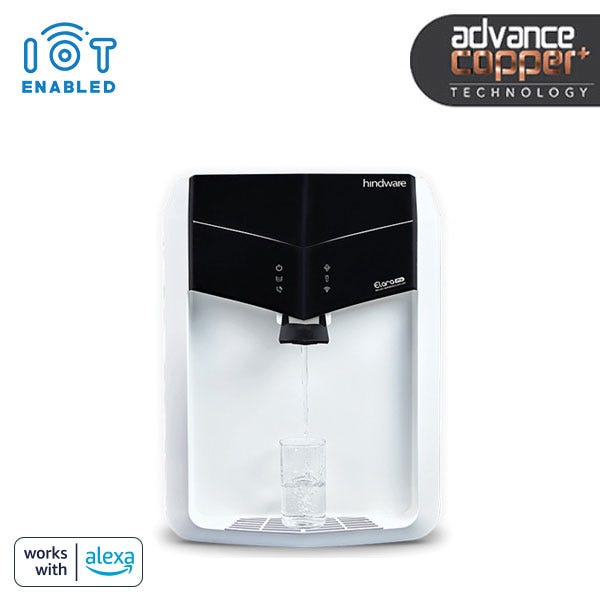
1. RO (Reverse Osmosis) Purifier
- Removes salts, chemicals, and heavy metals
- Useful when TDS is high
- Best for borewell or salty water
2. UV (Ultraviolet) Purifier
- Kills bacteria and viruses
- Does not remove TDS or mud
- Works best with clear, low-TDS water
3. UF (Ultrafiltration) Purifier
- Removes mud, dust, and some bacteria
- Works without electricity
- Not useful for salty or hard water
How to Choose the Right Water Purifier for Seasonal Changes
Follow these simple steps to pick the right RO water purifiers for your home:
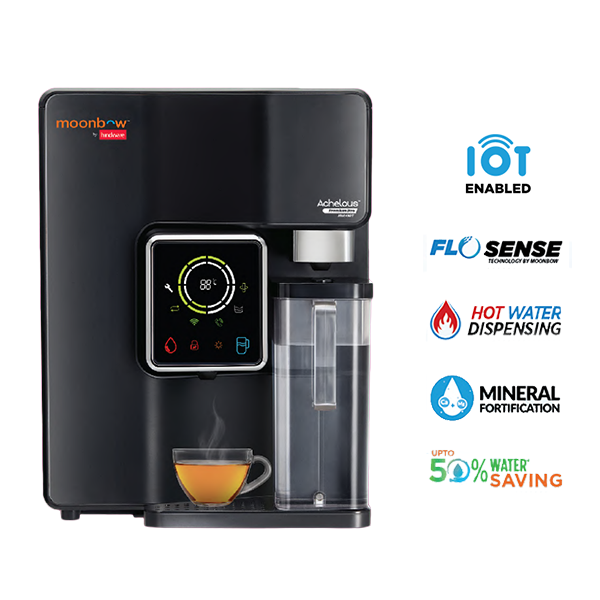
1. Test Your Water
Before buying a purifier, test your water for:
- TDS level
- Presence of bacteria or germs
- Turbidity (mud or dirt)
You can use a TDS meter or ask a local water testing service. Also, test it during different seasons if possible.
2. Choose RO for High TDS
If the TDS is more than 500 ppm, you need an RO purifier. This is common in summer or in areas with borewell water.
RO purifiers remove:
- Extra salts and minerals
- Heavy metals like lead, mercury, arsenic
- Bad taste caused by high TDS
3. Choose UV for Germ Protection
UV purifiers are good for killing bacteria and viruses. This is very helpful during the monsoon when germs in water are common.
Some advanced purifiers come with UV fail alarms for safety.
4. Choose Pre-Filters for Muddy Water
In the rainy season, water becomes muddy. A pre-filter or sediment filter removes dust and mud before it enters the main purifier. This:
- Protects internal parts
- Improves purifier life
- Keeps water clear
5. Look for Carbon Filter for Smell and Taste
Carbon filters remove chlorine and improve water taste. This is helpful in winter or when the water has a chemical smell.
6. Pick a Multi-Stage Purifier
A multi-stage purifier is the best choice for seasonal water changes. These purifiers combine:
- RO for salts and metals
- UV for germs
- UF for dust and dirt
- Carbon for smell and taste
This way, your purifier can handle almost any type of water, no matter the season.
Wrapping Up
Water quality is not the same every month. It changes with the season, especially in places where water comes from different sources like borewells, rivers, or tanks. A purifier that works today may not be enough during the next season.
That’s why it’s a smart idea to choose a multi-stage water purifier that includes RO, UV, UF, and carbon filters. It may cost a bit more, but it will keep you and your family safe throughout the year.
Start by testing your water. Understand your needs. Then pick the best water purifier for home that suits your home and handles changing water quality.