How the Plywood HSN Code Is Classified Within the Broader HSN Code System
Developed by the World Customs Organization (WCO) in 1988, the HSN code is a six-digit universal system used to classify goods uniformly across countries.
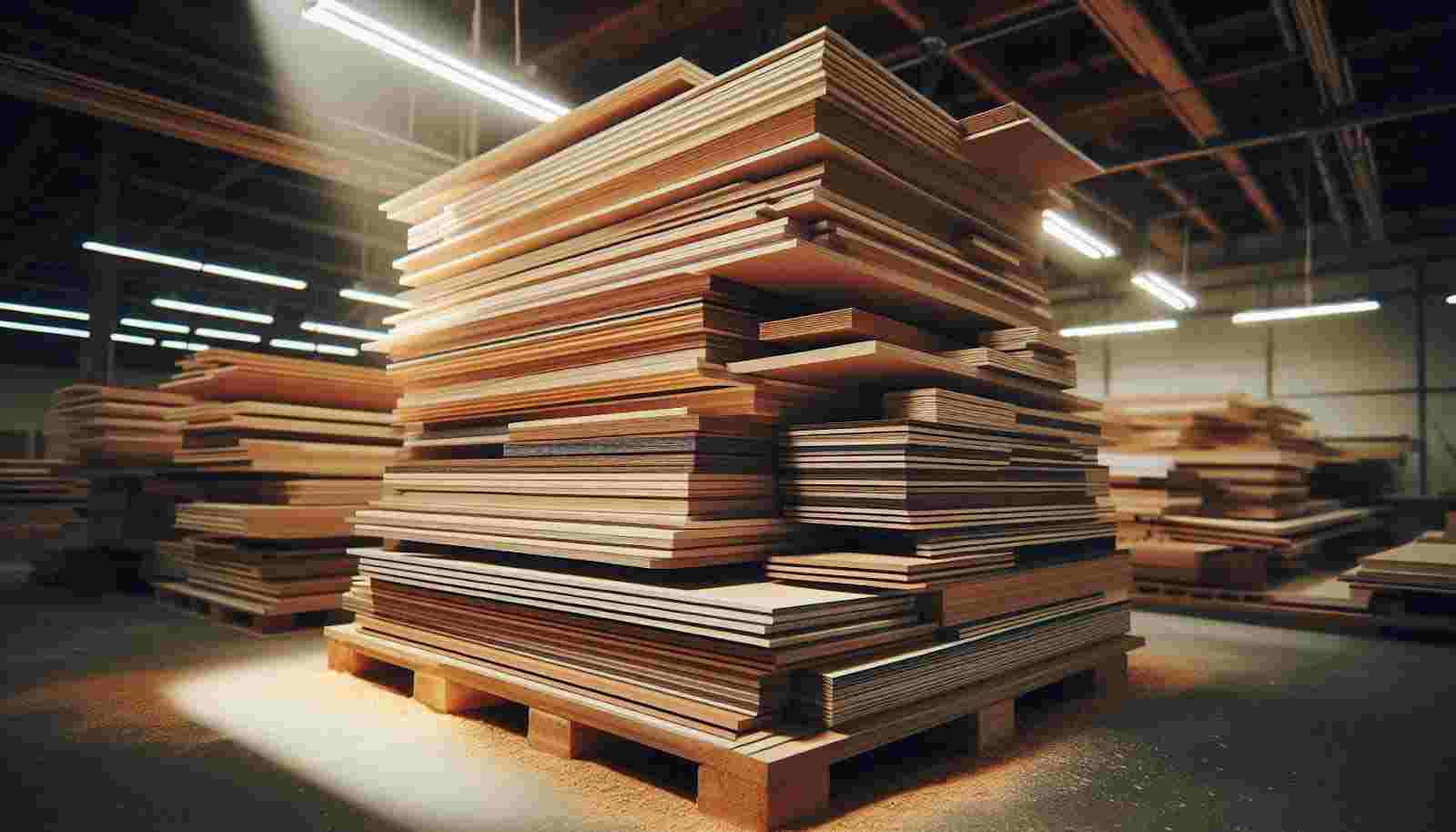
The Harmonized System of Nomenclature (HSN) plays a crucial role in global trade, offering a standardized system to classify goods systematically. Within this structure, the plywood HSN code is specifically designated to categorize plywood as a tradeable good. This transparency and uniformity ensure seamless transactions, reduce tax disputes, and enhance compliance across borders.
In this article, we will explore how the plywood HSN code fits within the larger HSN code system, its importance in trade and taxation, and how businesses can benefit by applying the right HSN code for plywood.
What Is the HSN Code System?
Developed by the World Customs Organization (WCO) in 1988, the HSN code is a six-digit universal system used to classify goods uniformly across countries. India adopted this system under GST, expanding it to eight digits for further precision in identifying goods.
Key Features of the HSN Code System:
- Uniform Classification: Businesses globally classify goods using standardized codes to avoid misinterpretation or disputes.
- Facilitates Tax Compliance: Governments and businesses use these codes to determine GST rates and other applicable taxes.
- Efficient Trade Documentation: Customs authorities depend on the HSN codes to simplify import/export procedures.
Plywood HSN Code: An Overview
The plywood HSN code falls under Chapter 44 of the HSN system, which pertains to wood and wood-based products. Specifically, plywood has been assigned the HSN code 4412, which includes various types of veneered panels and similar laminated wood products designed for structural or decorative applications.
Breakdown of Plywood HSN Code:
- Chapter (2 digits): 44 – Relates to wood and articles of wood, wood charcoal.
- Heading (4 digits): 4412 – Covers plywood, veneered panels, laminated wood, etc.
- Item Description (6–8 digits): Variations within this heading categorize the specific type, size, material type, and uses of plywood products.
For example:
- 44121000: Plywood consisting solely of sheets of wood.
- 44123300: Plywood with a thickness exceeding 6mm with at least one outer ply of tropical wood.
- 44123990: Other veneered panels not specified elsewhere.
This classification provides clarity for manufacturers, traders, and exporters dealing in plywood. Correctly mentioning the HSN code ensures accurate tax calculation and compliance with regulations.
Why Is the Plywood HSN Code So Important?
1. Streamlined Taxation and GST Rates
Under India's GST system, particular products attract specific tax rates based on their HSN codes. Plywood products under HSN code 4412 generally attract rates between 18%–28% GST depending on their type and intended usage. This makes it imperative for businesses to classify their products correctly using the plywood HSN code.
2. Enhanced Trade Efficiency
Correctly classifying plywood under its HSN code ensures accurate documentation, facilitating efficient customs clearance and avoiding delays during import/export operations. For instance, incorrect classification could lead to unexpected customs duties or unfavorable international trade disputes.
3. Simplified Accounting
Assigning the appropriate HSN code for plywood eliminates ambiguity in tax filing, as businesses can invoice and record transactions accurately. This also reduces errors in reporting under GST.
How Does Plywood Fit Into Chapter 44?
Chapter 44 broadly deals with wood and wooden materials. Within this classification, plywood finds its niche under heading 4412, alongside similar products like veneered wood panels and laminated boards. What makes plywood distinct is the way it is manufactured: thin wooden sheets glued under pressure to form a compact structure.
Common Applications of Plywood:
- Furniture (tables, chairs, cupboards).
- Interior decor (flooring, wall paneling).
- Construction (roofing, walls, prefab structures).
- Industrial packaging and shipping crates.
Each type of plywood product under Chapter 44 has a unique HSN classification that factors in its structure, thickness, and material.
How Businesses Can Use Plywood HSN Code Effectively
To maximize benefits of the plywood HSN code under GST, businesses can follow these steps:
- Understand Your Product: Identify the size, composition, or material type to categorize under the right HSN code within 4412.
- Accurate Documentation: Ensure invoices, purchase orders, and tax filings mention the correct plywood HSN code.
- Professional Guidance: When in doubt, consult with GST experts or use online tax tools for precise classification to ensure compliance.
Additionally, businesses dealing in multiple wood products can refer to Chapter 44's exhaustive list to avoid misclassifications.
FAQs About Plywood HSN Code
1. What is the HSN code for plywood?
The standard HSN code for plywood is 4412, which includes various subcategories of veneered panels, laminated wood, and tropical plywood.
2. Why do I need to know the plywood HSN code?
Accurate use of plywood HSN codes ensures proper tax filing, smooth customs clearance, and compliance with GST rates.
3. What GST rate applies to plywood products?
Plywood products under HSN code 4412 attract GST rates ranging from 18% to 28%, depending on product type and use.
4. How do I classify plywood under the right HSN code?
Classification depends on the composition, size, surface treatment, and application of the plywood. Refer to Chapter 44 for detailed subcategories under 4412.
5. Can HSN codes be updated?
Yes, HSN codes can be periodically updated as trade patterns evolve. Businesses must stay informed about updates to ensure compliance.
Conclusion
Understanding the classification of the plywood HSN code within the broader HSN code system is vital for businesses involved with wooden products. Proper coding ensures streamlined trade, accurate taxation, and hassle-free compliance. Whether you're exporting plywood globally or selling locally, the correct use of HSN code 4412 saves time, eliminates errors, and enhances trade efficiency.