
How Plantable Stationery Can Make Your Office and School Eco-Friendly
In today’s world, sustainability is no longer just an option—it’s a necessity. Offices and schools are among the largest consumers of paper, using notebooks, diaries, business cards, greeting cards, and promotional materials every day.
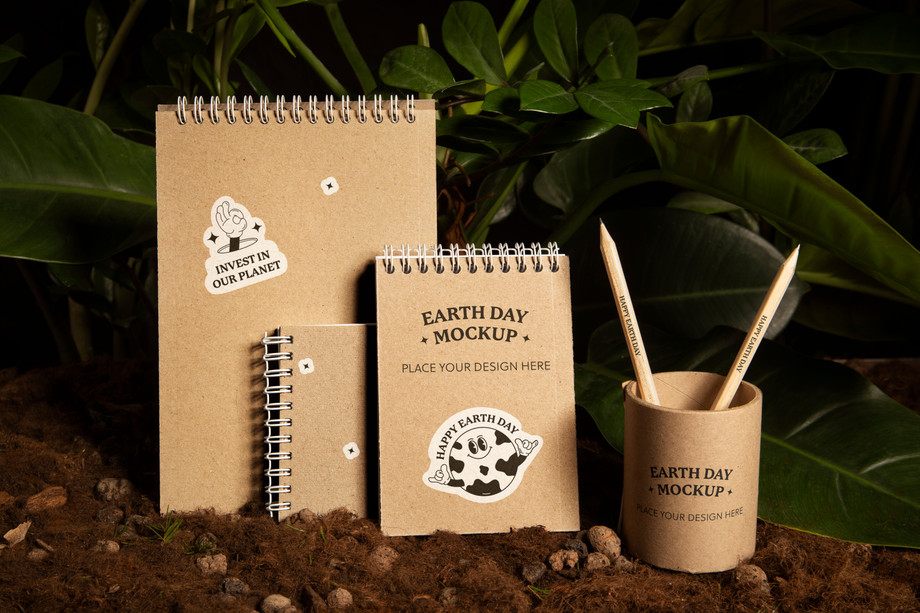
In today’s world, sustainability is no longer just an option—it’s a necessity. Offices and schools are among the largest consumers of paper, using notebooks, diaries, business cards, greeting cards, and promotional materials every day. Traditional paper is often used briefly and then discarded, ending up in landfills, contributing to deforestation, and adding to the global waste problem.
Plantable stationery offers a practical, eco-friendly alternative. Made from seed paper, these products can be used like regular stationery but have a second life: after use, they can be planted to grow flowers, herbs, or vegetables. By adopting plantable stationery, schools and offices can significantly reduce their environmental footprint while promoting sustainability and eco-conscious practices.
This article explores how plantable stationery works, its benefits, and why it is an ideal choice for eco-friendly offices and schools.
What Is Plantable Stationery?
Plantable stationery is any paper product made from seed paper, a biodegradable material embedded with live seeds. Unlike traditional paper, which is discarded after use, plantable stationery can be planted in soil, where the paper decomposes and the seeds germinate, producing plants.
Common plantable stationery products include:
- Notebooks and journals
- Business cards
- Greeting and wedding cards
- Bookmarks and gift tags
- Flyers, calendars, and promotional materials
Plantable stationery retains all the functionality of traditional stationery while adding a sustainable, environmentally friendly dimension.
How Seed Paper Works
Seed paper is produced by blending recycled paper pulp with live seeds. The mixture is pressed into sheets and air-dried to preserve the seeds. When planted in soil, the paper naturally decomposes, allowing the seeds to grow into plants.
Popular Seeds in Plantable Stationery
- Wildflowers: Attract pollinators like bees and butterflies
- Herbs: Basil, mint, coriander, and parsley
- Vegetables: Tomatoes, chili, and radishes
- Ornamental Plants: Marigold, zinnia, sunflower
This variety ensures plantable stationery is not only functional but also contributes to greenery and biodiversity.
Environmental Benefits of Plantable Stationery
1. Reduces Paper Waste
Traditional paper is often used once and discarded. Plantable stationery transforms paper waste into a resource, allowing schools and offices to contribute to environmental conservation by planting their used stationery.
2. Made from Recycled Materials
Most seed paper products are made from recycled paper. This reduces the need for virgin paper, conserves trees, saves water, and reduces energy consumption during production.
3. Fully Biodegradable
Unlike laminated or chemically treated paper, seed paper is completely biodegradable. It decomposes naturally, leaving no harmful residues and making it safe for soil, plants, and humans.
4. Promotes Green Living
Using plantable stationery in offices and schools encourages eco-conscious behavior. It fosters mindfulness about resource usage and reduces environmental impact.
5. Encourages Plant Growth and Biodiversity
Every sheet of plantable stationery can grow into a plant, supporting local biodiversity and improving green cover. Wildflowers attract pollinators, herbs provide edible benefits, and ornamental plants enhance the aesthetic environment.
Benefits for Schools
6. Hands-On Learning
Plantable stationery offers a practical learning experience. Students can plant seed paper and observe the germination process, learning about plant life cycles, ecology, and sustainability in a hands-on way.
7. Promotes Environmental Awareness
Using plantable notebooks, cards, and bookmarks helps students understand the importance of responsible consumption and sustainable practices.
8. Supports School Projects
Plantable stationery can be integrated into school gardens, Earth Day activities, and eco-friendly workshops, making sustainability education interactive and engaging.
9. Encourages Zero-Waste Practices
Adopting plantable stationery in schools promotes zero-waste initiatives and helps reduce the environmental footprint of daily classroom activities.
Benefits for Offices
10. Eco-Friendly Branding
Offices that use plantable stationery demonstrate their commitment to sustainability. Eco-friendly business cards, notebooks, and promotional materials enhance the company’s image and appeal to environmentally conscious clients.
11. Supports Corporate Social Responsibility (CSR)
Plantable stationery aligns with CSR initiatives, helping companies reduce waste, promote greenery, and engage employees in eco-friendly practices.
12. Memorable Marketing
Interactive products like plantable business cards or promotional flyers leave a lasting impression on clients and partners. They show a tangible commitment to sustainability.
13. Reduces Environmental Footprint
Offices consume large volumes of paper for internal and external use. Using plantable stationery reduces the environmental impact while encouraging responsible practices among employees.
14. Employee Engagement
Plantable stationery can foster a sense of responsibility among employees. Planting paper in office gardens or at home provides a meaningful, hands-on activity that reinforces sustainability.
Popular Plantable Stationery Products
Notebooks and Journals
Plantable notebooks function like regular notebooks but can be planted after use. They are perfect for students, teachers, and office professionals looking to reduce their environmental footprint.
Greeting Cards and Invitations
Plantable greeting cards and invitations turn celebrations into eco-friendly gestures. Recipients can plant the cards to grow flowers or herbs, adding value beyond the message.
Business Cards
Plantable business cards make a lasting impression. Unlike traditional cards, they can be planted, demonstrating a company’s commitment to sustainability.
Bookmarks and Gift Tags
Plantable bookmarks and gift tags are practical, creative, and sustainable. They can be used in libraries, classrooms, and offices, or included with eco-friendly gifts.
Flyers and Calendars
Plantable flyers and promotional calendars are ideal for events, campaigns, or awareness initiatives. They not only convey information but also promote planting and environmental responsibility.
Emotional and Experiential Benefits
15. Creates Memorable Experiences
Plantable stationery provides a unique and rewarding experience. Watching a piece of paper grow into a living plant fosters emotional connections and reinforces eco-conscious behavior.
16. Meaningful Gifts and Communication
Plantable cards, invitations, and tags symbolize growth, care, and sustainability, making them thoughtful gifts or communications in both schools and offices.
17. Encourages Mindfulness
Using plantable stationery helps individuals reflect on their environmental impact. It connects daily tasks like writing or sending cards with a positive ecological contribution.
How to Plant Seed Paper
Planting seed paper is simple and educational:
- Tear the paper into small pieces
- Place it in soil or a pot
- Cover lightly with soil
- Water regularly
- Provide sunlight
Seeds generally germinate within days or weeks, depending on the type. This makes planting seed paper ideal for students, teachers, and office employees alike.
Cost vs. Long-Term Value
While plantable stationery may cost slightly more than conventional paper, the long-term benefits are substantial:
- Reduced waste management costs
- Positive environmental impact and greenery creation
- Educational benefits for schools
- Branding and CSR advantages for offices
Bulk orders often make plantable stationery cost-effective for institutions, events, and organizations.
Choosing High-Quality Plantable Stationery
To maximize benefits:
- Select products made from recycled paper
- Ensure seeds are non-GMO and suited for your local climate
- Use stationery printed with natural, non-toxic inks
- Look for clear planting instructions
- Choose products ethically and sustainably sourced
High-quality seed paper guarantees better germination, usability, and user satisfaction.
Why Plantable Stationery Is the Future of Eco-Friendly Schools and Offices
Plantable stationery reflects a growing trend toward sustainability in education and professional environments. By integrating eco-friendly stationery into daily operations, schools and offices can:
- Reduce environmental impact
- Support biodiversity and greenery
- Encourage mindfulness and responsible consumption
- Provide interactive, memorable experiences for students and employees
As awareness of climate change, biodiversity loss, and waste management grows, plantable stationery is becoming a mainstream choice for eco-conscious institutions.
Conclusion
Plantable stationery is a simple, practical, and impactful way to make schools and offices more eco-friendly. From notebooks and journals to business cards, greeting cards, bookmarks, and flyers, seed paper products provide everyday functionality while actively promoting sustainability.
For schools, plantable stationery serves as an educational tool, teaching students about recycling, plant life cycles, and environmental responsibility. For offices, it strengthens eco-friendly branding, supports CSR initiatives, and engages employees in sustainable practices. By adopting plantable stationery, institutions can transform paper waste into living plants, creating a greener, cleaner, and more environmentally responsible environment.
Choosing plantable stationery is not just a sustainable decision—it is a meaningful step toward fostering eco-conscious habits and shaping a greener future, one sheet of paper at a time 🌱