How Non-Surgical Rhinoplasty Improves Facial Symmetry
Enhancing facial symmetry can have a profound impact on confidence and aesthetics. Non-surgical rhinoplasty offers a safe, effective, and minimally invasive way to achieve this.
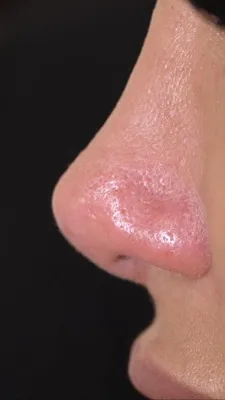
Facial symmetry plays a crucial role in how we perceive beauty. A balanced face can boost confidence and create a harmonious appearance. Many people are exploring modern cosmetic procedures to enhance their facial proportions. One of the most popular options today is non-surgical rhinoplasty.
Understanding Facial Symmetry
Facial symmetry refers to how similar the left and right sides of your face appear. Perfect symmetry is rare, but minor adjustments can make a big difference. Eyes, nose, lips, and jawline all influence overall balance. People often seek cosmetic solutions to correct subtle asymmetries.
What is Non-Surgical Rhinoplasty?
Non-surgical rhinoplasty is a minimally invasive procedure. It uses dermal fillers to reshape the nose without surgery. Unlike traditional rhinoplasty, it requires no incisions or anaesthesia. The procedure typically takes 15–30 minutes. Results are visible immediately and last from 6 months to 2 years, depending on the filler used.
Doctors use hyaluronic acid-based fillers to lift, straighten, or smooth the nose. They can correct bumps, dips, and minor asymmetries. The procedure is suitable for individuals who want subtle improvements. Swelling and bruising are minimal, making recovery fast.
How Non-Surgical Rhinoplasty Improves Facial Symmetry
A misaligned nose can significantly affect facial balance. Non-surgical rhinoplasty allows precise adjustments to create harmony. By filling depressions or lifting the nasal tip, professionals enhance symmetry. Even minor changes can dramatically improve overall facial aesthetics.
Patients with uneven nasal bridges or asymmetrical tips benefit the most. The procedure also complements other treatments, like chin fillers or jawline contouring. The result is a more proportionate, balanced face.
Common Mistakes and How to Avoid Them
Even though it's non-invasive, mistakes can happen. Overfilling is one of the most common issues. Too much filler can make the nose look unnatural. Choosing an inexperienced practitioner increases the risk of asymmetry.
To avoid mistakes, always research the provider's experience. Ask to see before-and-after photos. Avoid bargain offers. Quality and expertise matter more than cost. Clear communication about desired results is essential.
Key Features
- Minimally invasive and quick procedure.
- No general anaesthesia required.
- Immediate results with minimal downtime.
- Adjustable and reversible in many cases.
These features make it an attractive option for people seeking facial improvements without surgery.
How to Fix Common Issues
If swelling or minor asymmetry occurs post-procedure, hyaluronidase can dissolve excess filler. Follow-up appointments are essential to ensure proper results. Experienced professionals can adjust the filler for optimal symmetry.
Patients should follow the aftercare instructions carefully. Avoid pressure on the nose and strenuous activities for a few days. These precautions reduce complications and enhance results.
Details to Know About Non-Surgical Rhinoplasty
The procedure is not permanent. Filler gradually breaks down over time, which can be an advantage. It allows patients to experiment with changes before considering surgery.
Cost varies based on filler type, location, and the practitioner's expertise. On average, sessions range from $600 to $1500. Most people require touch-ups every 12–18 months.
How It Helps
Non-surgical rhinoplasty enhances facial harmony. It boosts confidence and allows individuals to feel comfortable with their appearance. Subtle changes can make the face look younger and more refined.
It is also a low-risk alternative to surgical rhinoplasty. Since there are no incisions, the risk of scarring or severe complications is very low.
Benefits in Detail
- Immediate aesthetic improvement.
- Minimal recovery time.
- Non-permanent, allowing flexibility.
- Reduces bumps, asymmetry, and drooping tips.
- Enhances overall facial proportion and balance.
These benefits make it ideal for first-time patients or those hesitant about surgery.
How It Works
Dermal fillers are injected into targeted areas of the nose. The filler adds volume and smoothens contours. The practitioner shapes the nose in real-time to achieve the desired symmetry.
Hyaluronic acid fillers are commonly used due to their safety and reversibility. The process may involve multiple small injections to refine the nose. Pain is minimal, often requiring only a topical numbing cream.
The Process Explained
- Consultation: Discuss goals and expectations with a professional.
- Assessment: Practitioner examines nasal structure and facial proportions.
- Preparation: Cleansing and numbing of the nasal area.
- Injection: Dermal fillers are strategically applied to correct asymmetry.
- Shaping: The practitioner moulds the nose to achieve harmony.
- Aftercare: Instructions include avoiding pressure and strenuous activity.
Follow-up sessions may be scheduled to evaluate and fine-tune results.
Key Aspects of Non-Surgical Rhinoplasty
- Safe for most adults with minor nasal imperfections.
- Quick and convenient procedure.
- Minimal downtime, often returning to normal activities the same day.
- Temporary, but long-lasting results when maintained.
- Provides a reversible option to test cosmetic changes.
Understanding these aspects helps patients make informed decisions.
Questions to Ask the Professional
- How much experience do you have with non-surgical rhinoplasty?
- Can you show before-and-after photos of previous patients?
- What type of filler do you use?
- What risks and side effects should I expect?
- How long will the results last, and when is a touch-up needed?
Clear communication ensures expectations are realistic and safe.
Choosing the Best Non-Surgical Rhinoplasty Service
Look for certified, experienced cosmetic professionals; research reviews and testimonials. Avoid low-cost options that compromise safety. Ensure the clinic uses high-quality, FDA-approved fillers.
A skilled provider can make subtle adjustments for maximum facial symmetry. Reputation, expertise, and patient satisfaction are key factors when selecting a clinic.
Conclusion
Enhancing facial symmetry can have a profound impact on confidence and aesthetics. Non-surgical rhinoplasty offers a safe, effective, and minimally invasive way to achieve this. With proper care, expert guidance, and realistic expectations, patients can enjoy immediate improvements and a balanced facial appearance. Whether it's correcting minor bumps, lifting the nasal tip, or enhancing overall proportion, this procedure is a convenient alternative to surgery.