How Makeup Try On Tools Are Changing the Online Beauty Experience
Shopping for makeup online can be tricky. A lipstick shade looks different on every person. Foundation can appear lighter or darker depending on the lighting.
Shopping for makeup online can be tricky. A lipstick shade looks different on every person. Foundation can appear lighter or darker depending on the lighting. Eyeshadow palettes may look bold on a model but subtle on your own skin. This is why makeup try on tools have become so important for anyone who shops for beauty products online.
Instead of guessing, users can now preview shades and styles directly on their own face. This creates a clearer, more personal experience that helps people choose products 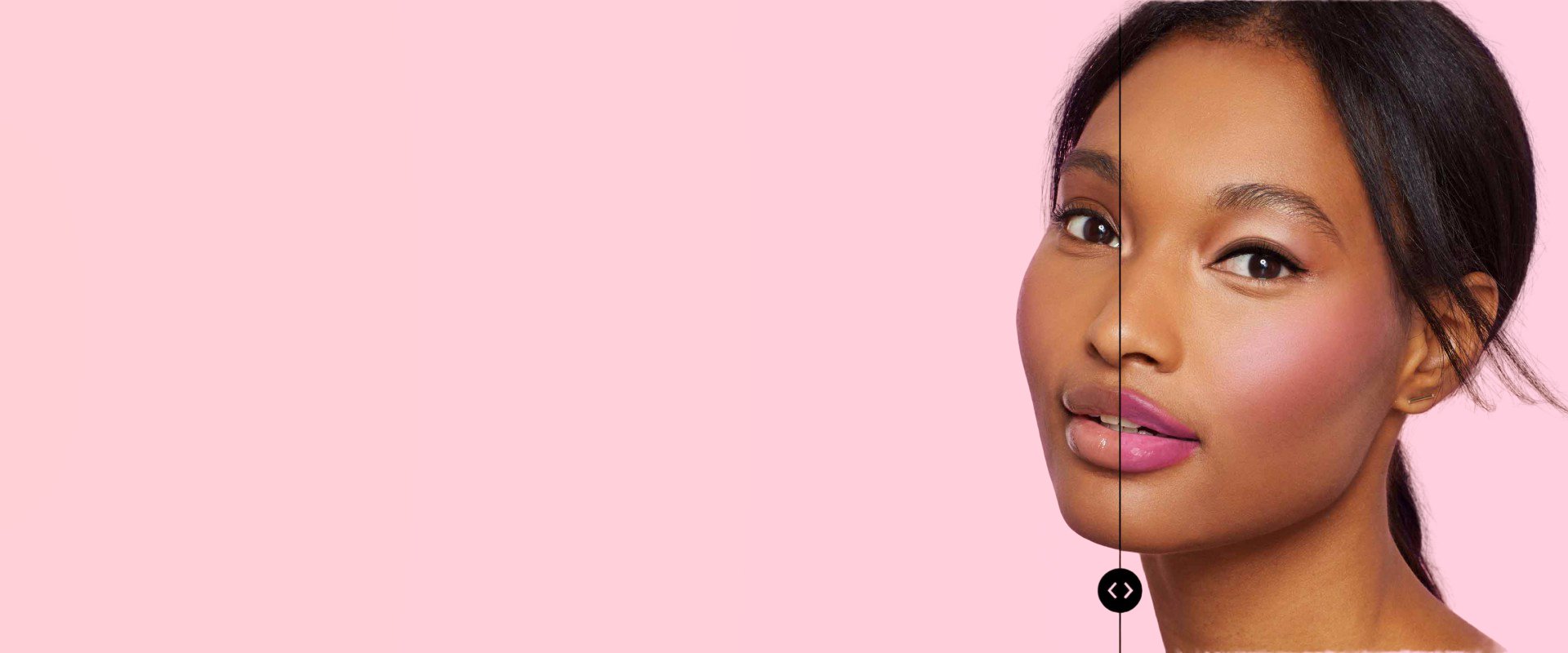 more confidently.
How Virtual Makeup Try‑On Tools Work
A virtual makeup try on tool uses facial mapping to place digital makeup on a user’s photo or live camera feed. It detects features like eyes, lips, cheekbones, and skin tone. Then it applies makeup in a way that follows the user’s natural shape.
The tool adjusts as the person moves. Lipstick stays on the lips. Eyeshadow stays in place along the eyelid. Blush follows the cheek. The result looks more natural than a simple overlay or filter.
A strong makeup try on system will also adapt to lighting. If the user is sitting near a window or indoors at night, the tool adjusts the colors. This makes the preview more accurate.
Why People Rely on Makeup Try‑On Tools
Imagine preparing for a special night out. You want to test a dark berry lipstick but aren’t sure if it suits your undertone. You could buy it first and risk disappointment, or you could test it through a virtual makeup try on feature in seconds. Many people find this helpful because it reduces uncertainty.
Users rely on these tools because they offer:
- Fast previews of different shades
- Safer testing for people with sensitive skin
- A way to compare products without touching any makeup
- Confidence before choosing colors or styles
This approach helps people feel more in control of their choices.
Everyday Uses Beyond Shopping
People sometimes think these tools only help with buying makeup. But many use them for everyday situations, too.
Examples include:
- Testing a soft look for a school or work photo
- Trying bold eyeliner for a party
- Seeing which foundation tone works best for natural lighting
- Creating a look for a video call profile
- Testing new trends without committing to physical products
A makeup try on tool becomes a quick way to explore ideas before creating the real look.
Helping People Understand Their Features
People often learn more about their face by testing makeup digitally first. Tools can help users understand what suits their features, such as:
- Lip colors that match warm or cool undertones
- Eyeliner shapes that flatter their eye type
- Blush placement that works for round, oval, or heart‑shaped faces
- Eyeshadow styles that look balanced
By experimenting through a virtual makeup try on, users avoid the cost and mess of trial and error.
Features That Make These Tools Effective
Good makeup preview systems offer more than one or two color options. They provide a range of tools for a full face look.
Helpful features include:
- Foundation matching: Detects skin tone and suggests shades
- Blush and contour tools: Show how to add shape without overdoing it
- Eyeshadow combinations: Mixes tones in real time
- Lip color previews: From nude to bright to deep shades
- Brow shaping: Tests different brow thickness and color
These features help people make smarter decisions when exploring makeup.
The Impact on Online Beauty Shopping
More beauty companies now integrate virtual makeup try on tools because they help reduce product returns and increase customer confidence. When users see a shade on their own face instead of on a model, they make more accurate purchases.
This shift also makes online shopping more accessible. People who live far from makeup stores can still try products. People with busy schedules can test looks in minutes. Someone nervous about testing makeup in public can do it privately at home.
This creates a smoother, more supportive shopping experience.
Why Visual Accuracy Matters
A strong try‑on tool won’t blur makeup or place it incorrectly. It gives a realistic preview of how colors will appear on real skin. This matters for people with deeper, more complex skin tones, lighter tones, or combination skin, who often struggle to match products based on photos alone.
Accurate shade previews help users avoid wasting money on products that don’t blend well.
The Future of Digital Try‑Ons
These tools continue to improve. More advanced systems can detect subtle undertones, adjust for shadows, and offer preset looks inspired by trends. In the future, they may include hair-color testing, insights into skin condition, or step-by-step makeup tutorials tailored to the user’s features.
What stays consistent is the goal: allowing people to explore makeup safely, quickly, and clearly.