How Do You Know It’s Time to See a Vascular Specialist?
Many people live with leg discomfort, visible veins, or circulation issues without realizing these symptoms may signal an underlying vascular condition. Vascular problems often develop slowly, which makes them easy to ignore.
Many people live with leg discomfort, visible veins, or circulation issues without realizing these symptoms may signal an underlying vascular condition. Vascular problems often develop slowly, which makes them easy to ignore. However, early diagnosis and treatment can prevent complications and significantly improve your quality of life. Understanding when to see a Vascular Doctor can help you take control of your vascular health before symptoms worsen.
Understanding Vascular Health
Your vascular system includes arteries, veins, and capillaries that move blood throughout your body. When this system does not function properly, blood flow becomes restricted or inefficient. This can lead to pain, swelling, skin changes, and visible veins. A vascular specialist focuses on diagnosing and treating these conditions using both medical and minimally invasive procedures.
Many patients ask, What Kind of Doctor is a Vein Specialist? A vein specialist is typically a vascular surgeon or a physician with specialized training in venous and arterial disorders. These doctors understand the complexity of blood flow and use advanced technology to treat vein disease safely and effectively.
Common Signs You Should Not Ignore
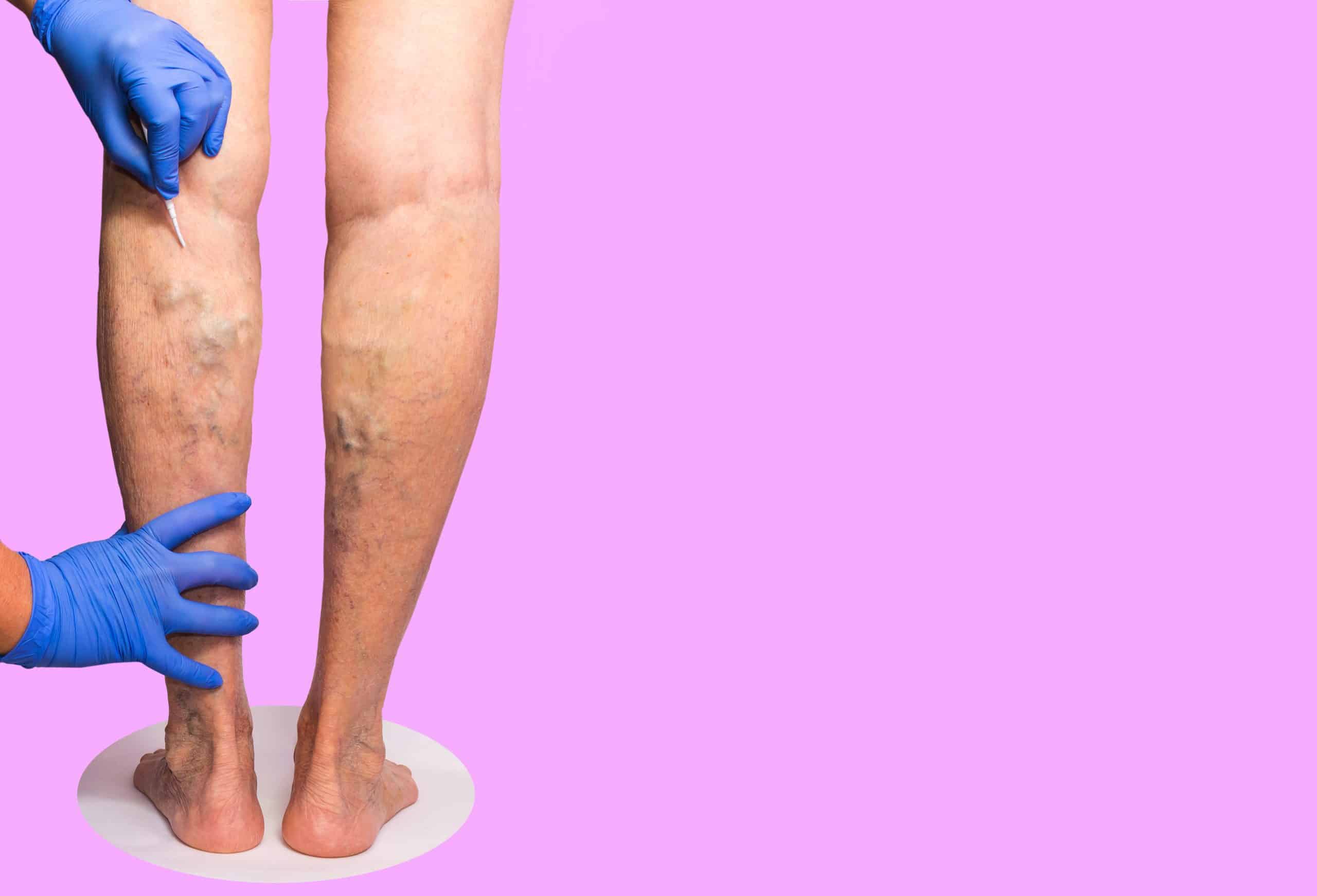
Knowing when to see a Vascular Doctor starts with recognizing the warning signs. Persistent leg pain or cramping, especially when walking or standing, often indicates circulation problems. Swelling in the legs, ankles, or feet may suggest venous insufficiency, where blood struggles to return to the heart.
Visible varicose veins or spider veins are not just cosmetic concerns. They can signal deeper vein problems that worsen over time. Skin discoloration, itching, thickening, or slow-healing wounds around the ankles also point to vascular disease. If you experience numbness, heaviness, or restless legs, your veins may not be functioning properly.
Risk Factors That Increase the Need for Evaluation
Certain factors increase your likelihood of developing vascular conditions. Age, family history, obesity, smoking, pregnancy, and a sedentary lifestyle all place stress on your veins. Jobs that require prolonged standing or sitting can also contribute to vein disease.
If you have diabetes, high blood pressure, or high cholesterol, you face a higher risk of circulation problems. In these cases, understanding when to see a Vascular Doctor becomes especially important. Early consultation allows specialists to manage symptoms before serious complications develop.
Why Early Treatment Matters
Ignoring vascular symptoms can lead to chronic pain, skin damage, blood clots, or ulcers. Vein disease often progresses silently, but early intervention slows or stops that progression. Modern vascular care focuses on minimally invasive treatments that require little downtime and deliver lasting results.
At Vein Treatment New Jersey, patients receive personalized care using advanced diagnostic tools. Our specialists identify the root cause of vein problems rather than simply treating surface symptoms. This approach leads to better outcomes and improved comfort.
What to Expect from a Vein Specialist
Many patients feel nervous about seeing a specialist, but the process is straightforward. After reviewing your medical history, the doctor performs a physical exam and often uses ultrasound imaging to evaluate blood flow. This allows precise diagnosis and targeted treatment planning.
Patients often wonder again, What Kind of Doctor is a Vein Specialist? These physicians combine medical expertise with advanced procedural skills. They stay current with evolving treatment techniques and focus on patient comfort and safety.
At Vein Treatment New Jersey, Our Vein Experts prioritize education and communication. They explain each step clearly, helping patients make informed decisions about their care.

Advanced Care Close to Home
Finding high-quality care matters when dealing with vascular conditions. The Centers for Vein Treatment in New Jersey offer convenient access to experienced specialists and state-of-the-art technology. Patients no longer need to travel far for expert vein care.
These centers provide treatments such as endovenous laser therapy, sclerotherapy, and ultrasound-guided procedures. Most treatments occur in an outpatient setting, allowing patients to return to daily activities quickly.
Take the Next Step Toward Healthier Veins
Knowing when to see a Vascular Doctor empowers you to protect your long-term health. If you notice persistent symptoms, visible vein changes, or circulation concerns, do not wait for the problem to worsen. Early evaluation provides peace of mind and opens the door to effective, minimally invasive solutions.
With compassionate care, advanced treatment options, and trusted professionals, Vein Treatment New Jersey remains committed to improving vascular health across the state. Our Vein Experts stand ready to help you regain comfort, confidence, and better circulation through the leading Centers for Vein Treatment in New Jersey.