
How Do I Choose the Right Fischer Fastener For My Project?
A practical guide to choosing the right Fischer fastener by understanding base materials, load conditions, environment, and installation standards.
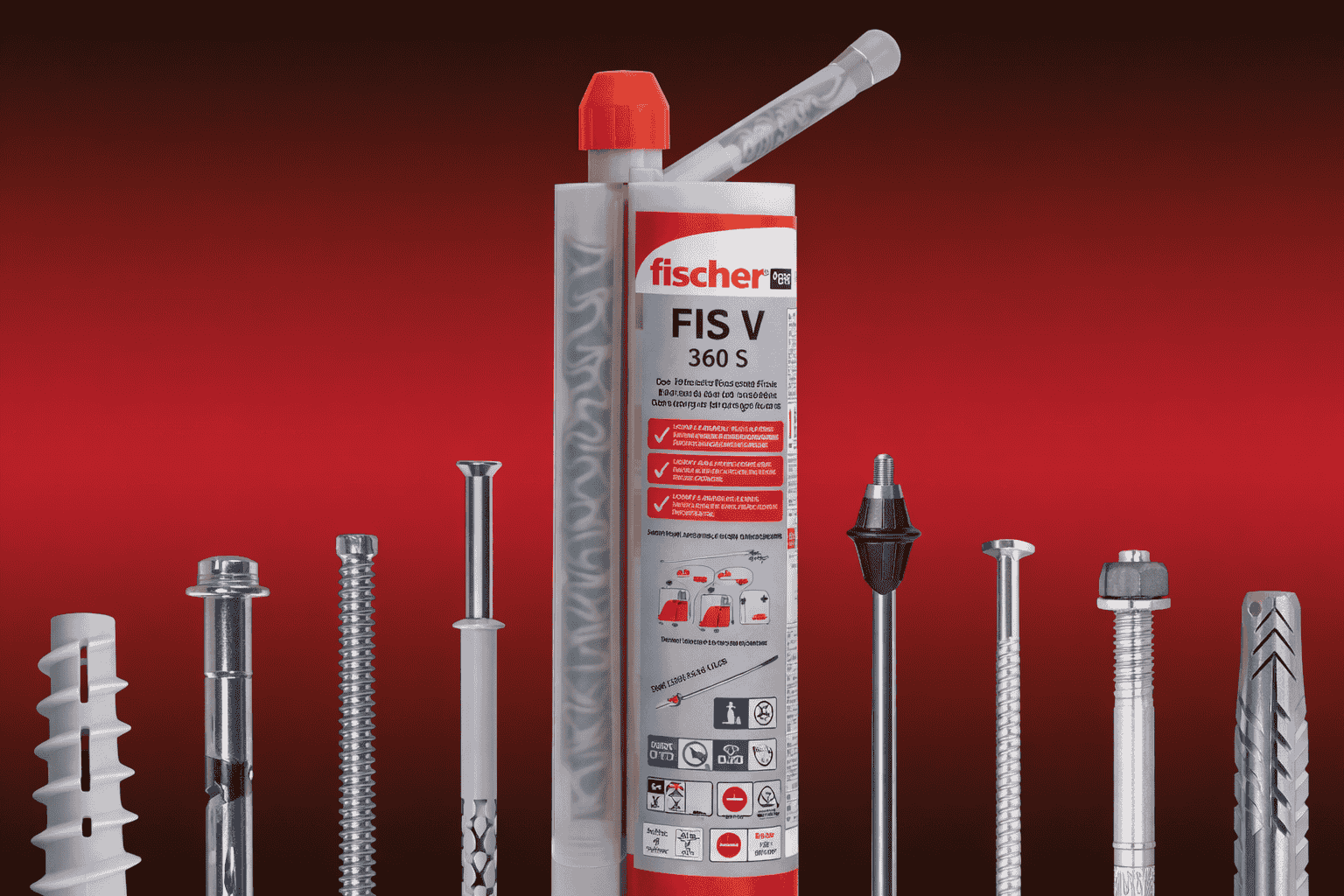
When a Small Component Carries a Big Responsibility
A project can move smoothly for weeks with concrete getting poured, structural steel going up and the equipment arriving on site. Everyone focuses on timelines and coordination.
Then someone pauses and asks, which Fischer fastener are we using here?
That question may sound minor. But it is not. The anchor you select determines how safely loads transfer into concrete, how long the installation lasts and whether the structure passes inspection. In 2026, with tighter compliance checks and higher performance expectations, fastening decisions carry more weight than ever.
If you want to choose Fischer fastener solutions confidently, you need a structured way to think. This guide will help you approach Fischer fastener selection as an engineering decision, not just a purchasing choice.
Start With the Base Material, Not the Catalogue
Before you look at product types, look at the surface you are fixing into. Solid concrete behaves differently from hollow blocks. Cracked concrete performs differently from uncracked sections. Brick and natural stone introduce their own variables.
A correct Fischer fastener selection always begins with the substrate.
Why does this matter so much? Because anchors transfer loads into the base material. If the material cannot support the expansion force or bond strength, no anchor will perform as rated.
The American Concrete Institute outlines anchor design provisions in ACI 318 Chapter 17. These guidelines govern anchoring to concrete and define how loads must be calculated and transferred safely. In addition, ACI 355 evaluates post installed anchors in cracked and uncracked concrete. These standards exist for a reason. Cracks can reduce load capacity if the anchor is not designed and tested for such conditions.
In Europe, European Technical Assessments under EAD 330232 classify bonded anchors for use in cracked concrete. Engineers rely on these approvals when specifying anchors for structural applications.
What does this mean for you on-site?
If you are fixing façade brackets into cracked concrete, you must use a Fischer fastener rated for cracked conditions. If you are working with hollow blocks, select anchors designed to grip voided materials, such as nylon plugs or injection systems with sleeves.
Ask yourself a simple question before moving ahead. Do I fully understand the material I am anchoring into?
That answer shapes everything that follows.
Understand the Loads Before You Choose Fischer Fastener Types
Once you know the base material, the next step is simple. Understand the load.
Anchors handle different types of force. Some loads pull outward. Some push sideways. Sometimes both happen at the same time. Some loads stay constant. Others change because of vibration, movement, or temperature changes.
A ceiling mounted air handling unit applies different forces compared to a handrail or cable tray. This is where many projects go wrong. Teams often select anchors based on habit rather than calculation.
The International Building Code references ICC evaluation reports for anchor compliance in structural applications. These reports define approved load values. ACI 318 further specifies load combinations and safety factors that engineers must apply.
These standards reinforce a key point. Anchor selection must align with factored loads, not estimated loads.
When you review load tables for a Fischer fastener, do not only look at maximum capacity. Consider edge distance, spacing and embedment depth. A heavy duty anchor may deliver high capacity, but if spacing is restricted, performance can be reduced.
For structural steel base plates or heavy machinery, use anchors rated for high tensile loads. For medium duty installations such as pipe supports, lighter mechanical anchors may be sufficient.
The best Fischer fasteners are not always the strongest ones. They are the ones correctly matched to the design requirement. That distinction protects both safety and budget.
Mechanical or Chemical Anchors, Know the Difference
Now that you understand the base material and the load, the next step is choosing the type of anchor.
You mainly have two options when working with Fischer fasteners for projects. Mechanical anchors and chemical anchors.
Mechanical anchors expand inside the drilled hole. When you tighten them, they grip the concrete by creating pressure against the sides of the hole. They are quick to install and easy to inspect. This makes them a good choice when speed matters.
Chemical anchors use resin systems that bond threaded rods to concrete. They distribute loads more evenly and perform well in cracked concrete or near edges.
Why does this distinction matter at all?
European Technical Assessments and ICC certifications often approve bonded anchors for demanding structural applications, including seismic conditions. Because the resin bonds to the substrate, it reduces stress concentration compared to expansion anchors.
If you are working on repetitive installations where speed is critical and loads are moderate, mechanical anchors make sense. If you need flexibility in embedment depth or face cracked concrete, injection systems may offer better performance.
When you evaluate Fischer fasteners for projects, consider installation conditions too. Is there vibration? Limited edge distance? Variable hole depth? Each of these factors influences your decision.
The key is not to follow trends. It is to align anchor technology with the application.
Do Not Ignore the Environment
Indoor dry spaces rarely challenge anchors. Coastal zones, industrial facilities and wastewater plants do.
Corrosion can compromise embedded steel over time. The Federal Highway Administration highlights corrosion of embedded steel as a major cause of concrete deterioration in infrastructure studies. Environmental exposure directly affects durability.
Eurocode EN 1992 defines exposure classes that guide material selection for concrete and embedded components. These classifications help engineers determine when stainless steel or higher corrosion resistance is required.
If your installation is in a coastal area, galvanised anchors may not provide long term durability. In such cases, stainless steel anchors offer better resistance. For chemically aggressive environments, material compatibility becomes even more critical.
Before you choose Fischer fastener options, ask yourself where this anchor will operate for the next ten or twenty years. A slightly higher upfront cost for corrosion resistant material can prevent costly replacements later.
Durability is not an extra feature. It is part of responsible design.
Installation Quality Is Part of Fischer Fastener Selection
Even the right anchor can fail if the installation is sloppy. The hole size must match the specification. The drilling depth must be correct. And for chemical anchors, hole cleaning matters a lot.
Many anchor performance tests assume that the anchor is installed the right way. Standards like ACI and ETA approvals rely on controlled procedures. On site and field conditions differ. Here things can get messy, and that is where mistakes happen.
Improper hole cleaning is a known contributor to bonded anchor failure in engineering reviews. Dust reduces bond strength. On the other side, over-tightening can damage expansion anchors.
So what should you do?
Train your installation teams. Use calibrated torque tools. Follow cleaning sequences using the brush and air pump methods when required. Check and verify the embedment depth before tightening or setting the anchor.
When you work on Fischer fastener selection, do not think only about the product. Think about the installer, too. Even the best Fischer fasteners perform well only when the team installs them correctly.
Quick question to ask yourself before the next job: Are you giving installation enough importance, or only focusing on which Fischer fastener to buy?
Certification and Documentation Matter More Than Ever
Regulatory scrutiny has increased across infrastructure and commercial projects. Inspectors expect documentation. Project consultants demand compliance proof.
Building codes reference ICC evaluation reports and ETA approvals for structural anchors. If you specify non certified anchors in regulated environments, you risk rejection during audits.
Certified Fischer fasteners for projects come with technical documentation, load tables and approval reports. These documents simplify submission processes and provide clarity during inspections.
In large scale projects, this documentation protects professional credibility. It also reduces uncertainty during handover.
Compliance is not a paperwork exercise. It confirms that your fastening solution meets recognised standards.
Practical Steps for Confident Fischer Fastener Selection
By now, a pattern should be clear. Anchor selection follows logic, not guesswork.
Here are practical steps you can apply immediately:
- Identify the base material and confirm whether it is cracked or uncracked.
- Calculate design loads using applicable codes before you choose Fischer fastener options.
- Match anchor type to load behaviour and installation constraints.
- Select corrosion resistant materials when exposure demands it.
- Train teams on correct drilling, cleaning and torque procedures.
- Specify only certified products with recognised approvals.
- Review manufacturer load tables instead of relying on habit.
These steps bring structure to decision making and reduce project risk.
What Holds Everything Together Often Determines How Long It Lasts
Fasteners rarely receive attention during project discussions. They remain hidden inside concrete, supporting loads quietly for years.
Yet every railing, façade bracket, cable tray or machine base depends on a reliable Fischer fastener to perform consistently. The wrong choice may not fail immediately. It may simply reduce safety margins, shorten service life or complicate inspections later.
When you approach Fischer fastener selection as a technical decision supported by codes, data and installation discipline, outcomes change. Projects move forward with confidence.
Before your next installation, pause for a moment. Are you selecting anchors based on availability or based on verified performance data? Are you reviewing approvals and load tables or relying on routine practice?
In modern construction, small components carry large responsibilities. Choosing carefully today protects performance tomorrow.