
How Do Concrete Grinding Wheels Improve Surface Finishing?
The concrete grinding wheel determines whether you get a clean, level finish or a rough surface that needs rework.
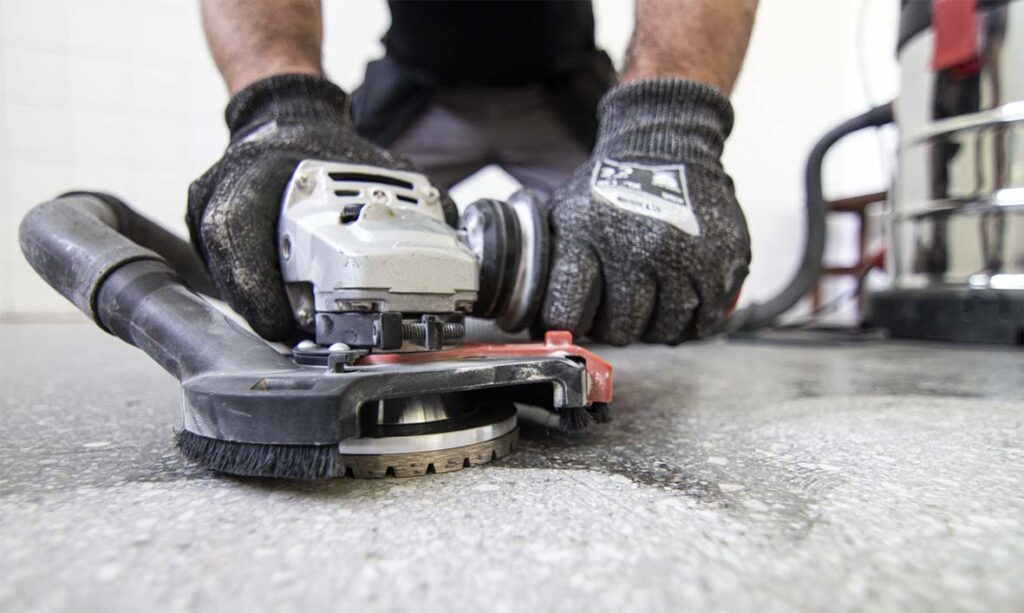
Concrete is dense and abrasive. It can be unpredictable, especially when aggregates or reinforcement are hidden beneath the surface. The concrete grinding wheel determines whether you get a clean, level finish or a rough surface that needs rework.
If you aim to cut cleaner, finish faster, and leave a surface ready for coating or polishing, understanding how the right wheel performs makes all the difference.
Why Surface Finishing Starts with the Right Wheel
Concrete grinding isn’t just about removing material. It’s about controlling it. A quality cup wheel removes imperfections, opens pores for better coating adhesion, and produces a consistent surface texture.
Use the wrong wheel, and you’ll see:
- Burn marks or glazing from overheating
- Uneven texture or swirl patterns
- Shorter wheel life and wasted effort
When matched correctly to the concrete’s hardness, a grinding wheel not only levels and cleans but also refines the surface to a professional-grade finish.
1. Bond Strength: Balancing Durability and Performance
The bond, the metal matrix that holds the diamonds, decides how a wheel behaves under pressure.
- Hard concrete = soft bond. This keeps diamonds exposed so the wheel can keep cutting efficiently.
- Soft concrete = hard bond. It slows wear so the wheel lasts longer.
Signs of a mismatched bond appear quickly. A bond that’s too soft wears down fast. Too hard, the wheel stops cutting and starts skating on the surface.
The right balance gives steady cutting speed, even wear, and a consistent finish that doesn’t fade mid-job.
2. Segment Design: Shape That Controls the Cut
The geometry of a grinding wheel isn’t for show. It’s built for airflow, debris removal, and stability.
- Double-row or turbo segments move dust and slurry out of the way while staying cool under continuous use.
- Arrow or flat segments are ideal for coating removal or aggressive leveling.
- Segment spacing affects vibration and feed rate. Wider gaps help manage heat and prevent clogging during long runs.
A well-designed segment pattern reduces chatter, lowers operator fatigue, and leaves a smoother, more uniform surface, especially on cured concrete slabs and industrial floors.
3. Diamond Grit and Concentration: Cutting Power You Can Feel
The diamonds in a grinding wheel are what actually cut the concrete. Their grit size and concentration control the speed and smoothness of the finish.
- Coarse grit: Fast removal, ideal for leveling and heavy grinding.
- Medium grit: Transitional work, smoothing marks, and refining surfaces.
- Fine grit: Pre-polishing or finish grinding for smooth texture.
Higher diamond concentration means more active cutting points per segment, giving a cleaner finish and longer life. The right combination helps prevent friction buildup and maintains consistent pressure across the surface.
4. Core Stability and Heat Control
Grinding generates heat, especially during prolonged use. A stable steel core prevents warping, while built-in cooling slots allow controlled expansion and airflow.
Quality wheels feature:
- Laser-welded segments for durability and thermal resistance.
- Relief slots that release stress and reduce vibration.
- Balanced cores that keep the wheel running true at high RPMs.
A stable core is about more than performance. It’s also about safety. It ensures the wheel stays predictable even under heavy load or high-speed operation.
5. Matching the Wheel to the Job
No two concrete surfaces are the same. Your wheel choice depends on the type of work:
- Surface preparation: Coarse-grit turbo wheels for removing coatings, adhesives, or uneven layers.
- Leveling: Double-row segments for consistent flatness across slabs.
- Finishing: Fine-grit wheels for refined, uniform texture before sealing or polishing.
- Edge grinding: Smaller cup wheels for tight spaces and precise control.
Each wheel is engineered for a specific task. Picking the right one means faster progress, smoother finishes, and fewer stops for tool changes.
6. Cost vs. Value: The True Measure of a Good Wheel
Affordable wheels might look like a good deal, but concrete work usually slows you down and gives rougher results.
A durable, well-balanced wheel:
- Cuts faster with less effort.
- Maintains consistent texture.
- Lasts through more square footage before replacement.
When time and surface quality matter, value isn’t measured at checkout but in hours saved on the job.
Why Professionals Choose Tait Sales Grinding Wheels
At Tait Sales & Consulting LLC, our Concrete Grinding Wheels are built to handle real job-site challenges. Each product is engineered for durability, stability, and precision.
We carry a wide range of options designed to:
- Match various concrete hardness levels
- Handle both wet and dry grinding conditions
- Deliver clean, even finishes without overheating
- Withstand demanding commercial and industrial use
Whether you’re resurfacing warehouse floors, prepping slabs for coatings, or refining polished concrete. The right wheel gives you control and consistency that shows in every pass.
Conclusion
A quality concrete grinding wheel isn’t just another consumable. It’s a key part of your finish. It determines how cleanly you cut, how fast you work, and how professional your results look when you’re done.
The next time you set up your grinder, look closely at what’s on the arbor. The right wheel will run cooler, last longer, and leave a stand-out finish.
For professionals who care about precision and performance, explore our full selection of Concrete Grinding Wheels.
Cut cleaner. Finish smoother. Work smarter, with Tait Sales & Consulting LLC.