How Climate Affects Wood Floor Sanding and Refinishing Outcomes
When it comes to floor sanding and refinishing, most homeowners think the process is purely about tools, techniques, and finishes.
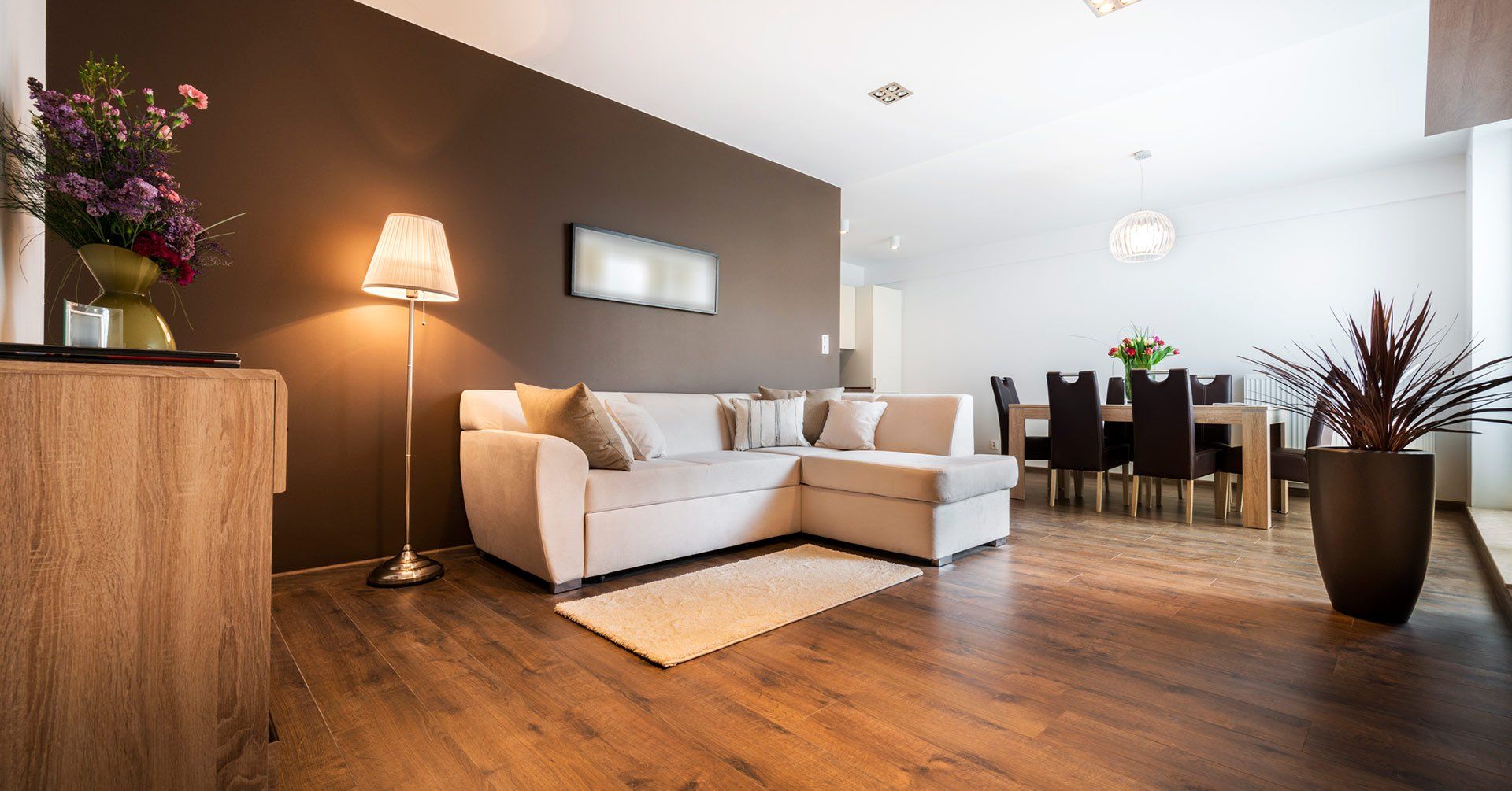
When it comes to floor sanding and refinishing, most homeowners think the process is purely about tools, techniques, and finishes. But here’s a reality check: climate plays a huge role in how your wood floors turn out. Humidity, temperature, and seasonal changes can all affect the results of wood floor refinishing and sanding in Bradenton, often in ways people don’t expect.
Let’s break it down and help you understand how to get the best results no matter where you live.
Why Climate Matters for Wood Floors
Wood is a natural material, and like all natural materials, it reacts to moisture and temperature changes. When humidity levels are high, wood absorbs moisture, swells, and can even warp slightly. On the other hand, dry air causes wood to shrink, which may lead to gaps between planks.
When sanding and refinishing, your floor’s moisture content directly affects how smooth the sanding goes and how well finishes adhere. If the wood is too damp, finishes may dry unevenly or bubble. Too dry, and the finish might crack or peel prematurely.
Humidity and Wood Floor Sanding
- High Humidity: In areas with high humidity, wood planks tend to expand. Sanding during these conditions might make the floor look uneven once the season changes and the wood contracts.
- Low Humidity: When the air is dry, wood can shrink, leading to gaps after sanding. Refinishing on overly dry wood may also result in a rough texture because the wood fibers can raise more easily.
Tip: Always measure your floor’s moisture content before sanding. A simple moisture meter can help you determine if the conditions are right for refinishing.
Temperature Effects
Temperature affects how finishes dry. Warmer temperatures speed up drying, which can be good, but if it’s too hot, finishes might dry too quickly, leaving streaks or brush marks. Cold temperatures slow down drying, increasing the risk of dust and debris sticking to the wet surface.
Practical Advice:
- Ideal sanding and refinishing temperature: 60–75°F (15–24°C).
- Avoid extreme temperature changes during the project.
Seasonal Considerations
Different seasons bring different challenges:
- Winter: Dry indoor air from heating systems can make wood shrink and finishes dry too quickly. Consider using a humidifier to stabilize moisture levels.
- Summer: High humidity can cause swelling and uneven finishes. Air conditioning can help control indoor moisture.
Scheduling your refinishing work during spring or fall, when humidity and temperature are more moderate, often gives the most consistent results.
Ventilation and Airflow
Even with perfect climate conditions, poor ventilation can ruin your refinishing efforts. Good airflow ensures that the finish dries evenly and that dust doesn’t settle on the wet surface. Open windows, use fans, and maintain a consistent indoor climate during the sanding and refinishing process.
Choosing the Right Finish for Your Climate
Some finishes are more forgiving in certain climates. For instance:
- Oil-based finishes are better for drier climates as they penetrate deeper and remain flexible.
- Water-based finishes dry faster and are better for moderate or humid climates but require careful application to prevent streaks.
Discussing your local climate with your flooring contractor can ensure you pick a finish that withstands your area’s temperature and humidity variations.
Small Steps That Make a Big Difference
- Keep indoor humidity around 35–55%.
- Avoid refinishing during major weather changes, like sudden heatwaves or storms.
- Monitor your floor’s moisture content before, during, and after sanding.
- Maintain a stable indoor temperature throughout the project.
Even minor adjustments like using a dehumidifier or delaying the project by a week can lead to dramatically better outcomes.
Bottom Line:
Climate affects wood floor sanding and refinishing in Longboat Key more than many homeowners realize. Moisture, temperature, and seasonal changes can influence how smooth your floor looks, how well the finish adheres, and how long it lasts. By planning around climate conditions and using the right techniques, you can ensure your wood floors look beautiful for years to come.
Investing a little time in understanding your local climate isn’t just smart—it’s essential if you want flawless wood floor refinishing and sanding results.
FAQs1. How does humidity affect wood floor sanding and refinishing?
High humidity can cause wood to swell, affecting smooth sanding and finish adhesion. Low humidity may cause shrinkage and gaps.
2. What is the best temperature for wood floor refinishing?
Ideal temperature is 60–75°F (15–24°C). Extreme heat or cold can cause uneven drying, streaks, or peeling finishes.
3. Can seasonal changes impact wood floor refinishing results?
Yes, winter dryness and summer humidity can affect wood expansion, contraction, and finish drying, influencing overall refinishing quality.
4. Should I use water-based or oil-based finishes for my floors?
Oil-based finishes suit dry climates; water-based finishes work better in moderate humidity. Climate dictates finish flexibility and durability.
5. How can I prepare my home’s climate for floor sanding?
Maintain stable temperature, control humidity around 35–55%, use fans for airflow, and avoid refinishing during extreme weather changes.