How Can Scaffold Competent Person Training Give You Confidence on the Job?
Working on scaffolds can be risky if you don’t know the right safety steps.
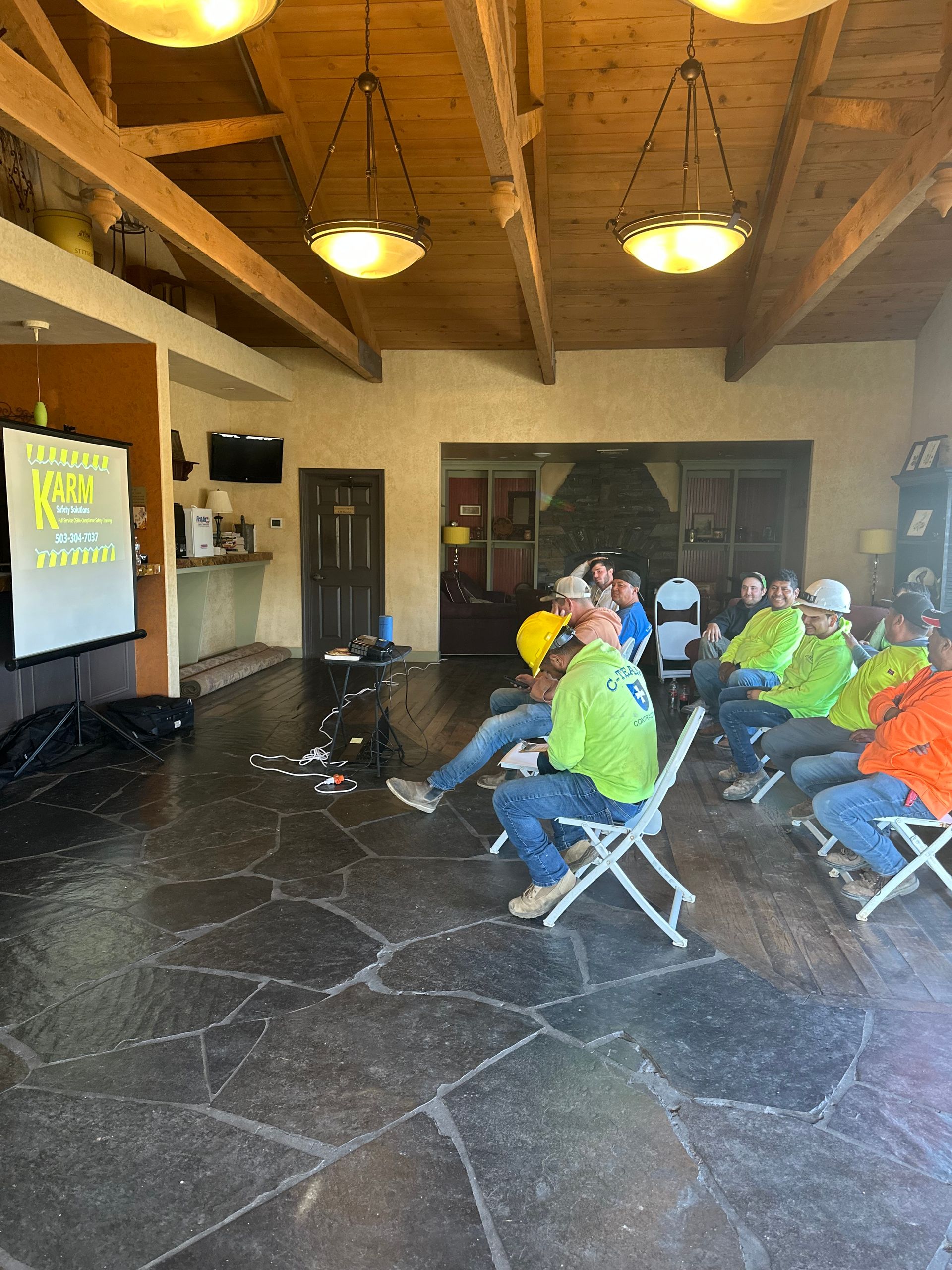
Working on scaffolds can be risky if you don’t know the right safety steps. Scaffold competent person training teaches workers how to set up, check, and use scaffolds safely. This training keeps you and your team safe and makes you feel confident while working. Getting certified shows your boss that you are skilled, careful, and ready to handle work at heights safely. It also helps you make quick and correct decisions in unexpected situations, which is vital on busy construction sites.
Knowing Your Role as a Competent Person
A competent person has the job of spotting risks, checking scaffold stability, and making smart safety decisions.
For example, noticing a loose plank, a weak support, or missing guardrails can prevent serious accidents. Knowing your role also helps you guide others so everyone on the team stays safe.
A competent person is also responsible for communicating hazards to the crew. If someone is unsure about a scaffold setup, you can explain the right procedures and correct any mistakes before work begins.
How Training Stops Accidents
Scaffold accidents happen when parts are set up wrong or safety rules are ignored. Scaffold competent person training teaches you the right way to handle platforms, guardrails, and weight limits.
With this training, you can prevent falls, slips, or falling tools. Your team will trust that you can keep the site safe.
Training also teaches how to spot hidden dangers, such as uneven ground or loose bolts, which can be missed by untrained workers. This ensures the scaffolds remain stable throughout the workday.
Practical Skills That Make You Ready for Work
The training focuses on hands-on skills you can use every day:
- Checking scaffold parts for damage or rust
- Knowing the correct weight limits and load distribution
- Assembling platforms safely and in the correct order
- Using safety harnesses, guardrails, and fall protection
- Writing down inspections and reporting problems promptly
Learning these skills helps you feel sure about your work and makes your team more productive. Proper training also reduces mistakes, which saves time and prevents costly accidents.
Feeling Confident on the Job
Being trained means you know what to do if something goes wrong. If a scaffold wobbles or a part is missing, you can act quickly and safely.
Confidence also helps the team work better. A trained worker can teach others, reduce mistakes, and keep projects on track.
Additionally, confident workers are more likely to notice unsafe behaviors and correct them immediately, improving safety for everyone on site.
Following Safety Rules
Scaffold work must follow OSHA rules. Training helps you understand these rules and keep the worksite safe.
Following safety standards avoids accidents and fines. It also shows that you are professional and responsible.
Knowing safety rules also ensures proper equipment use. Workers learn how to handle materials and tools in a way that prevents injury and keeps scaffolds stable.
Working Smarter and Faster
Knowing how to inspect and set up scaffolds keeps work moving without delays. A trained worker can spot problems early and fix them quickly.
This makes the whole team more efficient and helps the project finish on time.
Workers trained in scaffold safety also learn time-saving techniques, such as organizing materials on the platform correctly and setting up scaffolds in the proper sequence. These small steps prevent rework and increase overall productivity.
Using Skills in Real-Life Work
Scaffold training is not just lessons; it applies to daily work. You learn how to handle tools safely, set up platforms correctly, and deal with hazards immediately.
For instance, if a tool falls from above, a trained worker knows how to clear the area, warn others, and prevent injuries. These skills make the job safer for everyone.
Another real-life example is identifying weather-related risks. A competent person knows when wind or rain makes scaffolding unsafe and can halt work until conditions improve.
Always Learning to Stay Safe
Training teaches you to always check scaffolds, use safety gear, and talk about risks with your team.
This habit prevents accidents before they happen and ensures everyone is prepared for any situation. Regular refresher courses help keep knowledge sharp and improve your confidence even further.
Final Note:
Many programs have hands-on and online lessons, so you can learn without missing work. Videos and quizzes make it easy to remember safety rules. Online learning also lets you refresh your skills anytime, keeping you ready and safe over time. Some courses offer scenario-based training, where you respond to potential accidents in a controlled environment. This practical approach prepares you for emergencies you might face on the job.
Take scaffolding competent person training today. Build confidence, protect your team, and become a safe and skilled worker. Knowing the rules and using the right skills keeps every job safe and smooth.