
How Attic Spray Foam Insulation Can Prevent Mold and Mildew Growth
Attic spray foam insulation provides a proactive and permanent solution to the problem of attic mold.
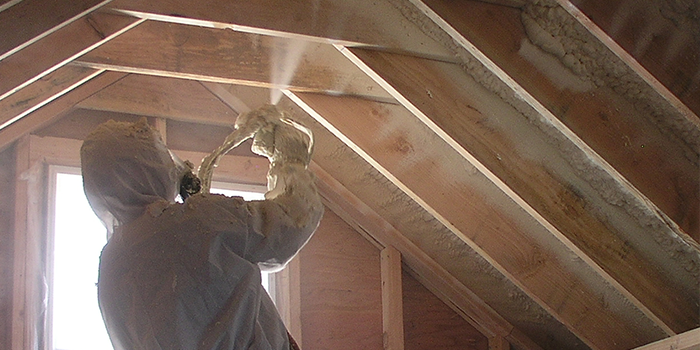
For homeowners, the attic is often an out-of-sight, out-of-mind space. Yet, it can be the source of a serious problem that affects the entire home: mold and mildew. Attic mold is almost always caused by a moisture issue, which is a common problem in humid climates. Attic spray foam insulation, particularly when applied to the underside of the roof deck, is one of the most effective ways to prevent mold and mildew growth because it directly addresses the root causes of this moisture. By creating an airtight seal and a continuous thermal barrier, it stops the warm, humid air from the living space from condensing on the cold surfaces of the roof, which is the primary mechanism that leads to attic mold in the winter.
Understanding this building science is key for any homeowner who wants to create a healthier, more durable home. This guide, drawing on the practical experience of professional insulation contractors, will explain how attic mold forms and the specific ways that a professional spray foam installation can provide a permanent solution.
The Cause of Most Attic Mold Condensation
While a roof leak can certainly cause mold, the most common culprit in a well-maintained home is condensation. In the winter, the warm air inside a home is much more humid than the cold, dry air outside. This warm, moist air naturally rises. In a standard home, it leaks into the cold, vented attic through thousands of small cracks and gaps in the ceiling.
When this warm, humid air hits the cold surface of the roof sheathing in the attic, the temperature of the air drops rapidly. Cold air cannot hold as much moisture as warm air, so the excess moisture is released in the form of condensation, much like the water droplets that form on the outside of a cold glass in the summer. This condensation on the wood sheathing creates the perfect damp environment for mold and mildew to begin to grow. A recent industry report on home health found that uncontrolled air leakage is a leading cause of moisture problems in attics.
Bonus Tip: A common sign of a serious attic condensation problem is the appearance of "frost" on the nails that stick through the roof sheathing on a very cold winter morning. This is a clear indication that too much warm, moist air is leaking into the attic.
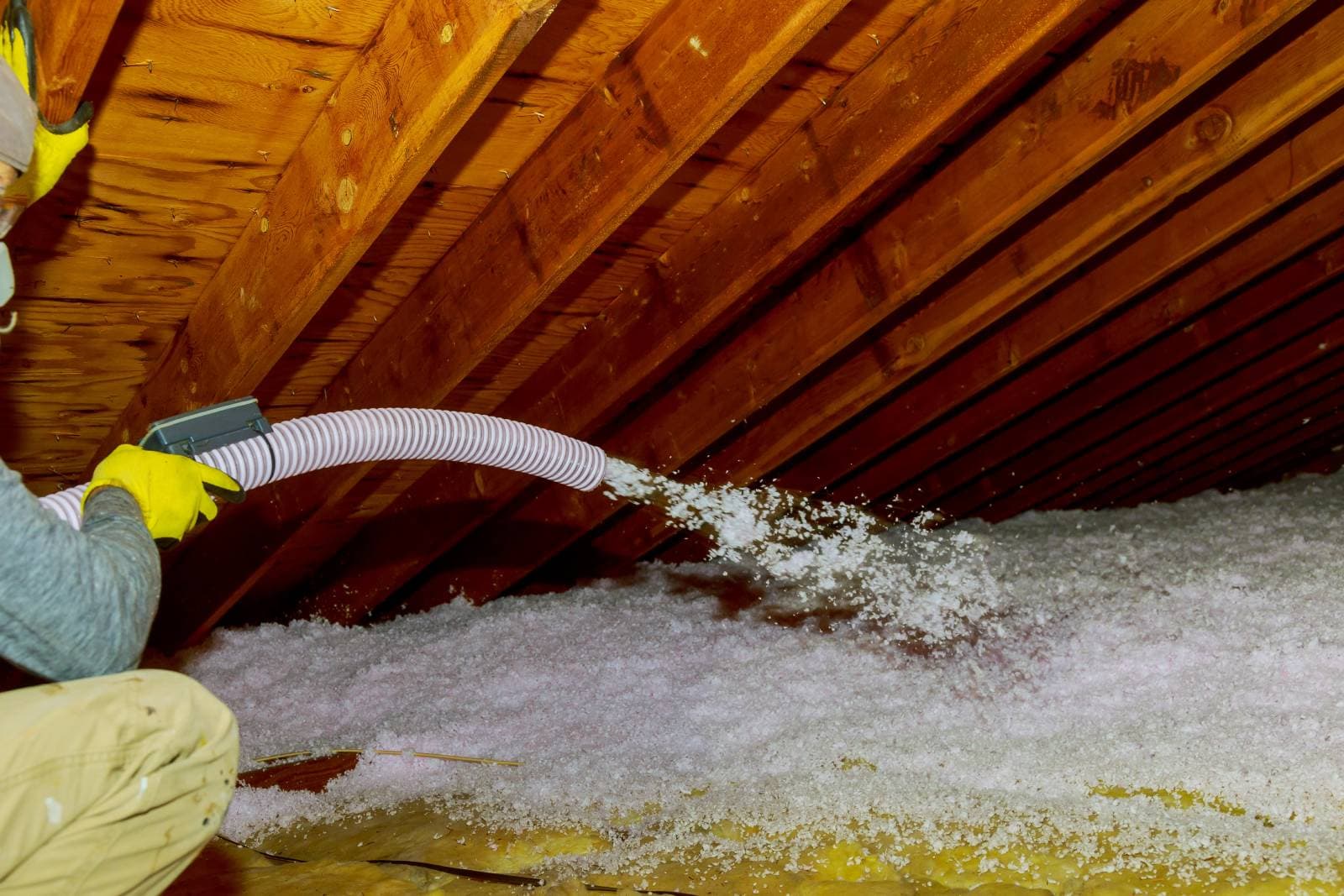
The Spray Foam Solution Creating a Conditioned Attic
A professional installation of spray foam insulation on the underside of the roof deck is a powerful way to solve this problem. This process, often called creating a "conditioned" or "unvented" attic, fundamentally changes the attic's environment.
Here's how it works:
- Air Sealing: The spray foam is applied as a liquid and expands to fill every crack, gap, and seam in the roof deck. This creates a nearly perfect and continuous air barrier.
- Moving the Thermal Boundary: This moves the home's primary thermal boundary from the attic floor to the roofline.
- Sealing the Vents: The old attic vents (soffit and ridge vents) are sealed off.
This completely isolates the attic from the outside air and brings it inside the home's conditioned envelope. The temperature and humidity in the attic now become very similar to the temperature and humidity in the rest of the house. By warming up the surface of the roof sheathing, the condensation problem is completely eliminated. The warm, moist air from the house is no longer hitting a cold surface, so there is no place for the condensation to form. This keeps the wood in the attic dry and makes it impossible for mold to get the moisture it needs to grow.
How Different Insulation Approaches Handle Attic Moisture
| Feature | Traditional Vented Attic with Fiberglass | Conditioned Attic with Spray Foam on the Roof Deck |
|---|---|---|
| Air Leakage | Allows significant air leakage from the house into the attic. | The spray foam creates an air seal, stopping this leakage. |
| Condensation Risk | High. Warm, moist air condenses on the cold roof sheathing. | Very low. The roof sheathing is now a warm surface, so there is no condensation. |
| Moisture Control | Relies on ventilation to try and dry out the moisture, which is often ineffective. | Directly prevents the moisture from forming in the first place. |
| Mold Risk | High, especially in humid climates. | Very low. The dry environment is inhospitable to mold. |
The Added Benefit of Using Closed-Cell Spray Foam
For the ultimate in mold prevention, many professionals recommend using closed-cell spray foam for a conditioned attic application. While both open-cell and closed-cell foam are excellent air barriers, closed-cell foam has one key advantage: it is a vapor barrier.
This means that it is impermeable to moisture. If a small roof leak were to ever develop, the closed-cell foam would not absorb the water. This can help to contain the leak and prevent the moisture from saturating the surrounding building materials, which further reduces the risk of any mold growth. This makes it an incredibly resilient and durable solution.
Stopping Mold from the Outside In
While winter condensation is a major cause of attic mold, warm, humid air from the outside can also be a problem in the summer. In a standard vented attic, the ventilation is supposed to keep the attic dry. However, in a very humid climate, this ventilation can actually pull in more humid air than it can exhaust.
A conditioned attic sealed with spray foam also solves this problem. By completely sealing the attic from the outside, it stops this humid summer air from entering the attic space in the first place. This helps to keep the entire home drier and reduces the workload on the air conditioner, which has to remove all that extra humidity.
Bonus Tip: Creating a conditioned attic not only prevents mold but also creates a much better environment for any HVAC equipment or ductwork located in the attic. In a traditional attic, this equipment is exposed to extreme heat and humidity. In a conditioned attic, it operates in a much more temperate and dry space, which can make it run more efficiently and last longer.
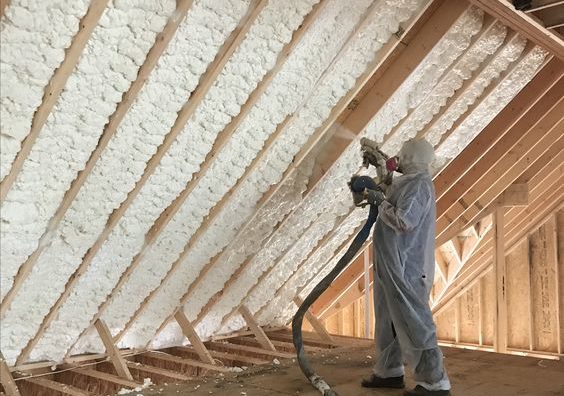
Things to Consider Before Creating a Conditioned Attic
A conditioned attic is a powerful building science strategy, but it must be done correctly.
- It Requires a Professional: This is not a DIY project. The application of spray foam and the proper sealing of the attic vents must be done by a trained and certified professional who understands the principles of building science.
- The Roof Must Be in Good Condition: Before the attic is sealed, a homeowner should have their roof inspected to ensure there are no existing leaks. It can be more difficult to spot a small leak in a spray-foamed attic.
- Combustion Safety is Key: If there are any gas-burning appliances, like a furnace or a water heater, located in the attic, a contractor must ensure that they have a sealed combustion chamber that draws their combustion air directly from the outside. A building performance expert can verify this.
- It Is a Premium Solution: A spray foam installation on the roof deck is a more expensive upgrade than a standard insulation job on the attic floor. It should be viewed as a long-term investment in a healthier and more energy-efficient home.
Questions People Ask About
Can't I just add more vents to my attic to stop mold?
While proper ventilation is important in a traditional attic, it often cannot keep up with the amount of moisture that is leaking into the attic from the house below. In many cases, adding more ventilation can even make the problem worse by creating more negative pressure. The best solution is to stop the air leakage at its source.
If I already have mold in my attic, can I just spray foam over it?
No, absolutely not. If there is existing mold, it must be professionally remediated first. This involves cleaning the affected surfaces and making sure the wood is completely dry before any new insulation is installed. Spraying foam over existing mold will just trap it and will not solve the underlying problem.
Does open-cell spray foam also prevent mold?
Yes, open-cell foam is also very effective at preventing mold because it is an excellent air barrier. By stopping the air leakage that leads to condensation, it eliminates the primary cause of attic mold. It is not a vapor barrier like closed-cell foam, but in an attic application, this is often not a major concern.
Will a conditioned attic make my shingles get too hot?
This is a common myth. Decades of research have shown that a properly installed unvented attic with spray foam on the roof deck has a negligible effect on the temperature of the shingles and will not void a shingle manufacturer's warranty.
Is this a good solution for a home with a low-slope or complex roof?
Yes, in fact, it is an excellent solution for these types of roofs. It can be very difficult to properly insulate and ventilate a complex roof with a lot of hips, valleys, and dormers using traditional methods. Spray foam can easily fill all of these irregular spaces to create a perfect and continuous thermal and air barrier.
A Proactive Solution for a Healthy Home
Attic spray foam insulation provides a proactive and permanent solution to the problem of attic mold. By addressing the root causes of condensation and moisture, it creates a clean, dry, and healthy environment that protects the structure of the home and the well-being of the family. For homeowners who are concerned about the long-term health and durability of their property, it is one of the smartest and most effective upgrades they can make.
Get a Professional Mold and Moisture Assessment for Your Attic
To find out if your home could be at risk for attic mold and to learn more about how a professional spray foam installation could provide a solution, the best first step is a comprehensive evaluation. An experienced home performance contractor can inspect an attic for signs of moisture and air leakage and can provide a detailed recommendation. For homeowners who want to create the healthiest possible home, a team like Stellrr can provide an expert consultation. Homeowners can schedule an assessment by reaching them at their email, info@stellrr.com, or by phone at (512) 710-2839.
Reviewer: Sophia White has 8 years of experience in spray foam insulation. She reviewed this post and gave clear guidance on aligning business messaging with what customers actually care about.