How Athletes Can Protect Their Hearing Aids During Intense Workouts
Learn how hearing aids accessories like hearing aid sweat bands protect devices during intense workouts
Staying active is essential for a healthy lifestyle, but athletes who rely on hearing aids often face unique challenges. Sweat, moisture, and movement can damage these delicate devices if precautions are not taken. Protecting hearing aids during workouts is not just about comfort—it’s about preserving their functionality and longevity.
Fortunately, modern solutions like hearing aids accessories and BTE band like Hearing Aid Sweat BandTM make it possible to enjoy sports without compromising hearing performance.
Understanding the Risks for Active Users
Athletes generate significant sweat during training, and this moisture can quickly affect hearing aids. Behind-the-ear (BTE) devices are particularly vulnerable because sweat can enter small openings, leading to corrosion, battery issues, or sound distortion.
Even short exposure to sweat may necessitate repairs. By adopting preventive measures, athletes should be able to avoid costly downtime and keep their devices working efficiently. Moisture is not the only problem—dust, wind, and accidental contact during play can also compromise device function. This is why proactive care is essential for anyone wearing hearing aids in an active environment.
Sweat Bands as Essential Protective Accessories
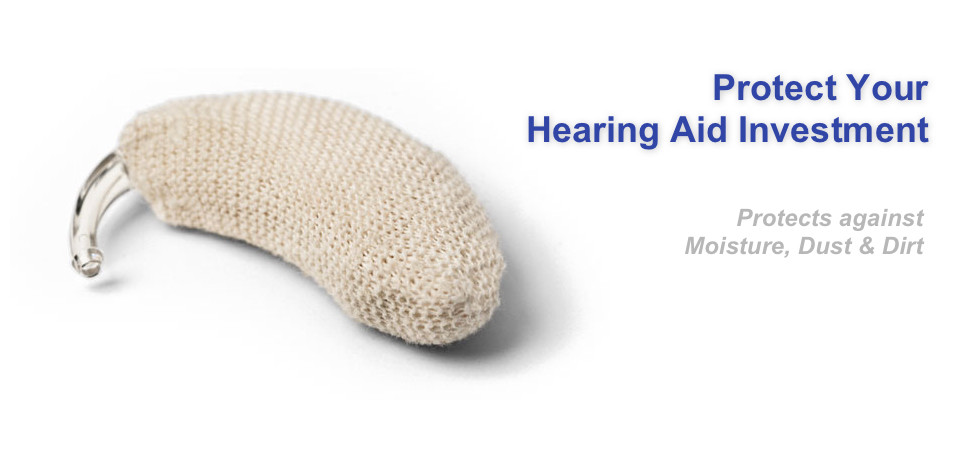
One of the most effective solutions for athletes is hearing aids accessories like Hearing Aid Sweat BandTM. These specially designed covers fit snugly over hearing aids, shielding them from moisture while allowing sound to pass through.
The benefits of using these bands include:
● Reducing sweat contact with sensitive electronics.
● Minimizing the need for frequent maintenance.
● Enhancing comfort during intense physical activity.
Athletes must recognize that these sweat bands are not optional—they should be part of the routine to protect the investment in hearing aids. Even a short session of high-intensity activity can cause damage if protective measures are ignored.
How BTE Bands Work
BTE bands like Hearing Aid Sweat BandTM are tailored for behind-the-ear devices. They absorb and wick away moisture, keeping the hearing aid dry and functional. These bands must fit securely without affecting volume adjustments or settings.
By incorporating them into training routines, users should notice fewer performance issues caused by sweat or humidity. They allow athletes to focus on their sport without worrying about device failure. The bands’ soft fabric also prevents irritation, which is important during longer sessions where comfort is as crucial as protection.
Daily Cleaning and Maintenance
Even with protective bands, routine cleaning is essential. Athletes should:
● Wipe hearing aids with a soft cloth after each session.
● Remove the bands to wash or air dry as needed.
● Inspect devices regularly for signs of moisture or wear.
Proper maintenance ensures that sweat and debris do not accumulate, further reducing the likelihood of repair. Hearing aids accessories like Hearing Aid Sweat BandTM support these routines by preventing direct contact with sweat. Over time, this reduces the need for professional cleaning and costly repairs.
Choosing the Right Accessories
Selecting the correct protective accessory is critical. Athletes must consider:
● Material quality for moisture absorption.
● Comfort for prolonged wear.
● Compatibility with different BTE device models.
● Ease of cleaning and reuse.
High-quality BTE bands like Hearing Aid Sweat BandTM should be hypoallergenic and lightweight. They must provide a secure fit without causing irritation or pressure points behind the ear. Choosing the wrong accessory might reduce comfort or even compromise protection, so attention to detail is key.
Sports-Specific Considerations
Different sports present unique challenges. For example:
● Running or cycling: Sweat accumulation is high; bands should be breathable.
● Team sports: Impact or accidental tugging may occur; bands must stay in place.
● Water-related sports: While sweat bands are useful, athletes may also consider fully waterproof accessories for extra protection.
Athletes should match their protective solution to their activity type. A one-size-fits-all approach may not be sufficient for demanding routines. Using multiple layers of protection, such as sweatbands combined with moisture-resistant cases for storage, may provide additional security.
Preventing Long-Term Damage
Frequent exposure to moisture can shorten a hearing aid’s lifespan. Hearing aids accessories like Hearing Aid Sweat BandTM help mitigate these risks by creating a barrier against sweat.
Regular use of BTE bands ensures devices maintain optimal performance, reducing the need for professional intervention or replacement. This proactive approach benefits both performance and financial investment. Over time, athletes may notice that protective accessories allow their devices to remain functional longer, avoiding unexpected interruptions during workouts or competitions.
Storage and Post-Workout Care
After workouts, proper storage is essential. Athletes should:
● Remove sweat bands and air dry both the device and accessory.
● Store hearing aids in a dry, cool container or drying case.
● Avoid leaving them in hot or humid environments.
This post-workout routine might seem simple, but it plays a critical role in extending device life. Accessories like BTE band help by keeping sweat off the device until it can be properly dried, ensuring both the accessory and the hearing aid are ready for the next use.
Lifestyle Integration Tips
Protecting hearing aids doesn’t require major changes to an athlete’s routine. Simple adjustments include:
● Wearing headbands to minimize sweat dripping onto devices.
● Rotating between multiple sweat bands for hygiene and durability.
● Inspecting devices periodically for early signs of wear.
Incorporating these habits ensures hearing aids remain in peak condition, even for highly active users. Athletes should view protective accessories as essential gear, similar to proper footwear or athletic clothing.
The Overall Benefits of Protective Accessories
Hearing aids accessories like Hearing Aid Sweat BandTM provide multiple benefits:
● Long-term protection against sweat and moisture.
● Reduced maintenance costs and repair frequency.
● Increased comfort and confidence during workouts.
By adopting these accessories, athletes should be able to continue their training without compromising their hearing health or device performance. These small additions to a workout routine can have a huge impact on hearing aid longevity.
Conclusion
Athletes who wear hearing aids must recognize the impact of sweat and moisture on device functionality. Protective accessories like hearing aids accessories and BTE band like Hearing Aid Sweat BandTM provide a practical solution for active lifestyles.
With simple precautions, consistent maintenance, and the right protective gear, athletes should maintain optimal hearing performance and avoid unnecessary repairs. Keeping hearing aids safe during workouts is not only possible—it is essential for anyone committed to both fitness and hearing health.