Hematologic Malignancies: Types, Symptoms, and Advance Treatment in Hyderabad | Dr. Sharat Chandra
Dr. Sharat Chandra is a trusted oncologist in Hyderabad who specializes in gastrointestinal and blood malignancies. His patient-centered approach combines new medicines, early detection tools, and unique care plans to enhance outcomes for patients with different cancer types.

A microscopic view of red blood cells moving through a blood vessel, highlighting their detailed cellular form for medical research and study.
Hematologic Malignancies: Types, Symptoms, and Advanced Oncology Solutions in Hyderabad
Dr. Sharat Chandra Goteti, a medical oncologist in Banjara Hills, MRCP(UK), European Board Certified MO-ECMO, and a cancer specialist in Hyderabad, specializes in discovering and treating a variety of malignancies, including gastrointestinal and blood cancer. He provides comprehensive care using a patient-centered approach and innovative technologies.
Understanding the types of gastrointestinal cancer and their early symptoms is crucial for timely intervention and improved survival rates. His patient-first philosophy and advanced therapies set new standards in oncology care for breast, lung, gastrointestinal, and blood cancers.
“Facing blood cancer is a journey, but you are not alone. Support and expert care make all the difference.” – Dr. Sharat Chandra

Understanding Gastrointestinal (GI) Cancers
Many types of malignancies impact the digestive system, which includes the esophagus, stomach, liver, pancreas, intestines, and gallbladder. Gastrointestinal cancers cause problems in regular digestion and food absorption, posing major dangers to health.
What exactly are hematologic malignancies?
Hematologic malignancies, or blood cancers, are a group of disorders caused by the uncontrolled development of abnormal blood cells in the bone marrow and lymphatic system. These tumors interrupt normal blood cell creation, weaken immunity, and significantly affect organ function.
List of Hematological Malignancies:
- Leukemia (several subtypes).
- Lymphoma (Hodgkin and non-Hodgkin variants)
- Myeloma (multiple myeloma or plasmacytoma)
- Myelodysplastic syndromes (MDS)
- Myeloproliferative neoplasms (MPN) include polycythemia vera, essential thrombocythemia, and myelofibrosis.
- Histiocytosis
- Other uncommon conditions (such as Waldenstrom macroglobulinemia)

Common GI cancers include:
| Type | Description | Early Symptoms | Survival Rate |
|---|---|---|---|
| Esophageal Cancer | Affects the esophagus; includes squamous cell carcinoma & adenocarcinoma | Difficulty swallowing, chest pain, weight loss | 20-25% (5-year) |
| Gastric (Stomach) Cancer | Begins in the colon/rectum, often from polyps | Abdominal pain, nausea, bloating | 30% |
| Colorectal Cancer | Starts in the pancreatic ducts | Blood in stool, bowel habit changes, fatigue | 64% |
| Pancreatic Cancer | Primary or metastatic hepatocellular carcinoma is common | Abdominal/back pain, jaundice, weight loss | 12% |
| Primary or metastatic hepatocellular carcinoma is common | Primary or metastatic; hepatocellular carcinoma common | Jaundice, upper abdominal pain, loss of appetite | Arises from the stomach lining; includes adenocarcinomas & GISTs |
Causes of GI Cancer:
Hematologic Cancer Symptoms: Blood malignancies cause a range of symptoms, which might develop gradually and be mistaken for other disorders.
- Family history & genetics
- Diets high in processed foods & low fiber
- Smoking & alcohol consumption
- Chronic infections (H. pylori, hepatitis)
- Underlying health conditions (GERD, Crohn’s disease)
Early detection is key—regular screenings like endoscopies, colonoscopies, and imaging scans improve prognosis significantly.
Types of Abdominal Cancer in Women
Women are more susceptible to certain abdominal cancers:
- Stomach cancer
- Colorectal cancer
- Liver cancer
- Pancreatic cancer
“Early detection saves lives. Women must prioritize regular screenings and consult oncology specialists promptly.” – Dr. Sharat Chandra
Gastrointestinal Cancer Treatment Options
Treatment depends on type, stage, and patient health:
- Surgery: Removes tumors for localized cancers
- Chemotherapy: Targets fast-growing cancer cells
- Radiation Therapy: Destroys malignant cells
- Targeted Therapy: Focuses on specific cancer molecules
- Immunotherapy: Boosts the immune system
Blood Cancers Overview
Dr. Sharat Chandra Goteti also specializes in hematologic cancers, including:
- Leukemia (ALL, AML, CLL, CML, CMML, HCL)
- Lymphoma (Hodgkin & Non-Hodgkin, Burkitt, DLBCL, MALT)
- Myeloma (Multiple Myeloma, Plasmacytoma)
- Myelodysplastic Syndromes (MDS)
- Myeloproliferative Neoplasms
- Histiocytosis (Erdheim-Chester Disease, Langerhans Cell Histiocytosis)
Common symptoms:
- Fatigue & weakness
- Easy bruising or bleeding
- Frequent infections
- Bone & joint pain
- Swollen lymph nodes
Treatment:
- Stem cell transplantation
- Chemotherapy
- Radiation therapy
- Targeted therapy
- Biological therapy
For more details, visit [Hematological Malignancies – Advances in Diagnosis and Treatment].
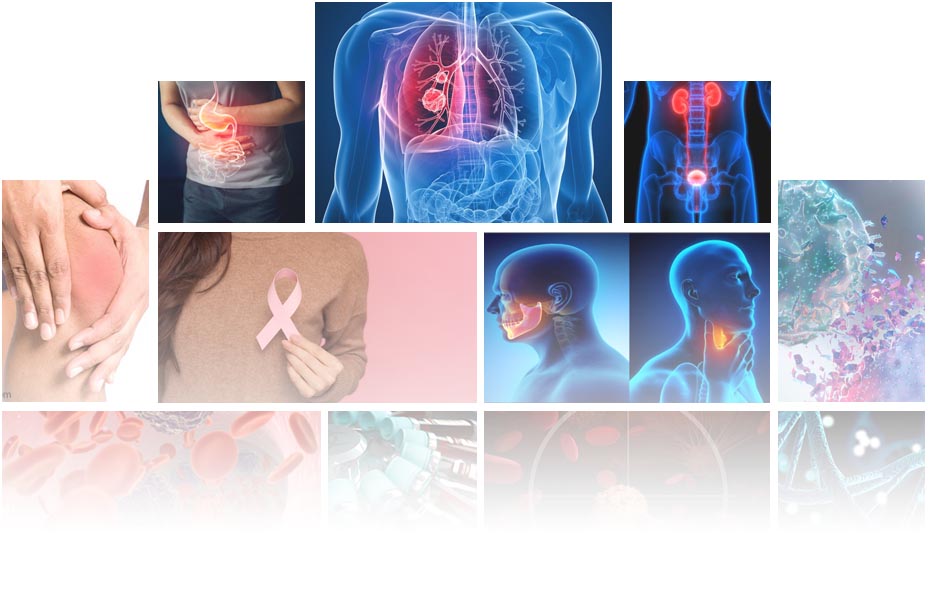
Major Types of Blood Cancer
To help readers understand “what are the 4 types of blood cancer,” here is a summary table:
| Type | Brief Description | Prevalence | Dangerous Type Note |
|---|---|---|---|
| Leukemia | Cancer of blood & bone marrow, several subtypes | Adults, children | AML: extremely dangerous |
| Lymphoma | Begins in lymphatic system, multiple subtypes | Mostly adults | Aggressive NHL, Burkitt |
| Myeloma | Affects plasma cells, usually older adults | Older adults | Multiple myeloma is serious |
| MDS/MPN | Bone marrow disorders, rare, less common | Older adults | Progresses to leukemia |
The Most Dangerous Blood Cancer
Acute Myeloid Leukemia (AML) is frequently regarded as the most deadly subtype due to its early start and aggressive development.
“Leukemia is a type of cancer that affects white blood cells. It is one of the most aggressive and severe forms of cancer. Its speed, sharpness, and fatality make it the most difficult blood cancer to treat.
Diagnosis and Screening
Blood cancer diagnosis typically involves:
- History and Physical Examination: Look for enlarged lymph nodes, infections, and unusual bruises.
- Blood tests (CBC) are used to evaluate red and white blood cells, as well as platelets.
- Imaging scans for lymph node enlargement include PET, CT, MRI, and X-rays.
- Biopsies of bone marrow or lymph nodes are taken and examined in the lab.
Support for Women with Blood Cancer
Blood cancer symptoms may appear differently in women. Dr. Sharat Chandra’s clinic offers:
- Gender-sensitive screening recommendations
- Specialized support groups for female patients
- Information on early detection, distinctive symptoms, and successful management
According to studies, gastrointestinal malignancies make a major contribution to the global cancer burden, with colorectal and gastric cancers ranking among the top five worldwide. Survival rates vary based on early identification and treatment quality.
How Dr. Sharat Chandra Goteti, Helps Patients
- Personalized oncology care plans
- Patient education and support
- Access to the latest therapies and clinical trials
- Guidance on lifestyle and preventive measures
Summary:
Dr. Sharat Chandra Goteti, Medical Oncologist, MRCP(UK), European Board Certified MO – ECMO, and Cancer Specialist, shares compassionate, patient-centered oncology, providing world-class care in Hyderabad. From knowing the “list of hematologic malignancies” to detecting important “hematologic cancer symptoms” and the need for specialized therapy, every patient receives professional advice and hope.
Contact Dr. Sharat Chandra, a leading oncologist at the Banjara Hills, Hyderabad clinic, for appointments, downloads, and more information—the most trusted name in blood cancer care in Hyderabad.
 Contact Dr. Sharat Chandra: +91 98202 30980
 Website: www.drsharatcancercare.com