
Geriatric Dental Hygiene and the Future of Preventive Oral Care for Aging Populations
That gap places seniors at risk. Pain, infections, and nutrition problems often begin in the mouth. This is why geriatric dental hygiene and strong geriatric oral care education must become central to modern healthcare.
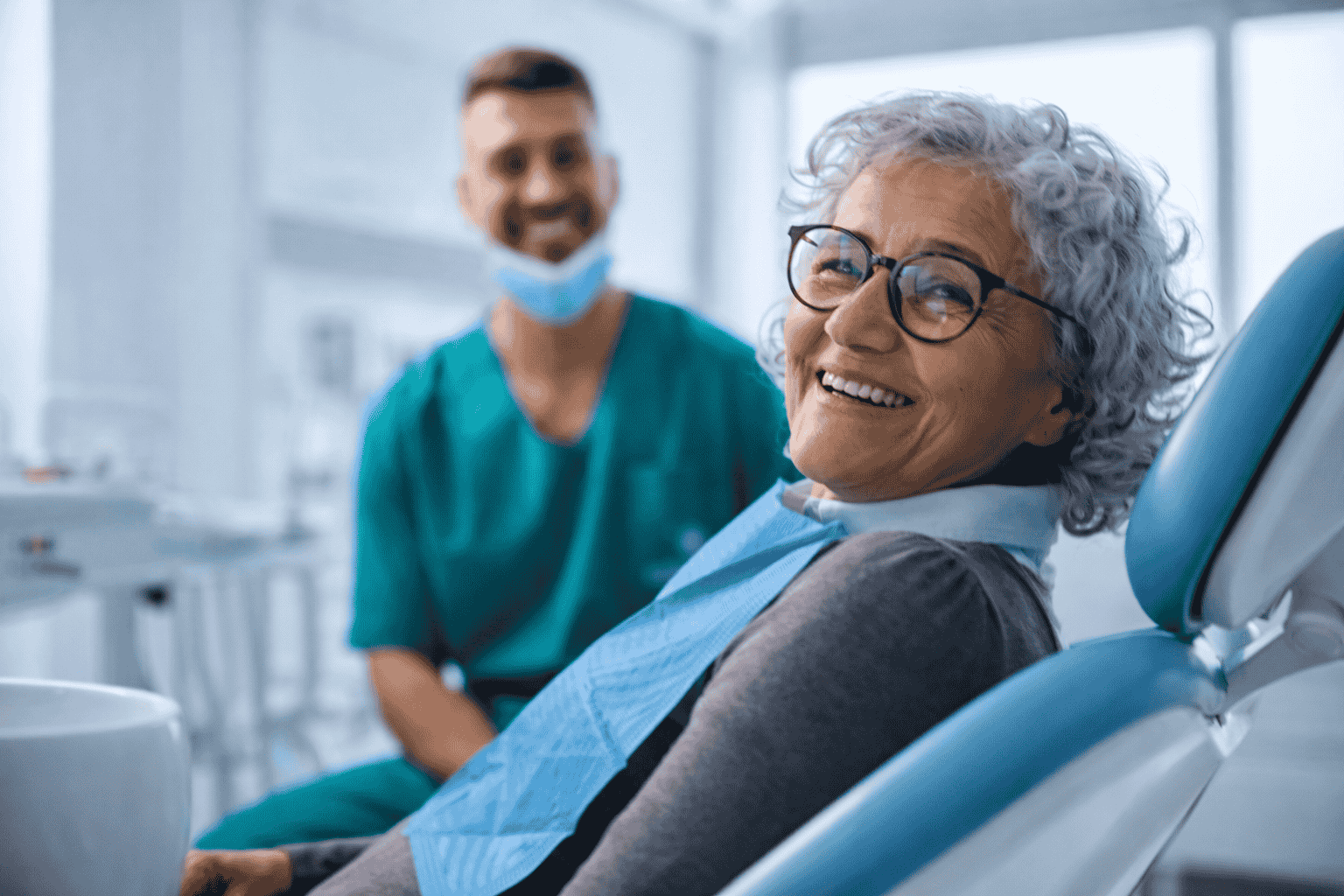
I remember walking into a long term care facility early one morning. A caregiver greeted me warmly and led me to a resident who had been refusing meals.
When I gently examined her mouth, the reason became clear. Her gums were swollen. Her dentures did not fit correctly anymore. The inside of her mouth looked sore and dry.
After we cleaned her mouth and adjusted her denture care routine, something simple happened. She smiled. Later that day, she ate lunch comfortably.
Moments like this remind me why this work matters.
Across the world, people are living longer than ever before. According to the World Health Organization, by 2030, one in six people globally will be over the age of 60. Families and care facilities are now supporting millions of older adults who rely on others for daily care.
Yet oral care often gets overlooked.
That gap places seniors at risk. Pain, infections, and nutrition problems often begin in the mouth. This is why geriatric dental hygiene and strong geriatric oral care education must become central to modern healthcare. When caregivers understand elder oral hygiene, they protect comfort, dignity, and health for the people who depend on them.
Let’s talk about what the future of preventive oral care should look like.
The Aging Population Is Changing Healthcare
Why Oral Care Must Be Part of the Conversation
Our healthcare systems are adjusting to a powerful demographic shift.
The global population is aging quickly. The World Health Organisation reports that by 2030 the number of people over age 60 will reach about 1.4 billion worldwide.
A longer life is a blessing. Families get more time with parents and grandparents. Communities benefit from the wisdom of older generations.
But longer life also means more chronic health conditions, more medications and greater caregiving needs.
Many older adults live with arthritis, dementia, diabetes, heart disease, or mobility limitations. These conditions often make daily oral care difficult. Some people cannot hold a toothbrush comfortably. Others forget the steps of brushing.
This is where geriatric dental hygiene becomes essential.
Preventive care protects more than teeth. It protects nutrition, speech, comfort, and confidence.
What the Data Tells Us
Oral health problems among older adults are more common than many people realize.
The CDC reports that nearly 1 in 5 adults age 65 and older have untreated tooth decay. Gum disease is even more widespread. About two thirds of adults over 65 live with some form of periodontal disease, which means infection and inflammation of the gums.
To put this in perspective, oral diseases affect about 3.5 billion people worldwide, according to the World Health Organization.
Those numbers tell a clear story. Our aging population needs stronger prevention.
What This Means for Care Facilities and Families
When caregivers understand the basics of elder oral hygiene, small daily actions make a huge difference.
Brushing twice a day, cleaning dentures properly, watching for mouth sores or dry mouth and reporting changes early.
These simple steps protect overall health.
Preventive geriatric dental hygiene transforms oral care from an afterthought into a routine part of caregiving.
Preventive Oral Care Protects the Whole Body
The Mouth Is Connected to the Body
In clinical settings, we often say the mouth is the gateway to the body.
This statement carries real medical meaning.
Gum disease, also called periodontal disease, involves infection of the tissues that hold teeth in place. Inflammation from gum disease can spread through the bloodstream.
Research cited by the CDC and the National Institutes of Health shows links between gum disease and several systemic conditions, including heart disease, diabetes complications, and respiratory infections.
Older adults already face higher health risks. Poor elder oral hygiene can make those risks worse.
Why Prevention Matters More Than Treatment
Preventive geriatric dental hygiene focuses on stopping problems before they begin.
This includes:
• Daily plaque removal through brushing and cleaning between teeth
• Monitoring medication related dry mouth
• Regular oral screenings
• Proper denture care
• Early referral to dental professionals when changes appear
Plaque simply means a thin film of bacteria that forms on teeth. If plaque stays on teeth too long, it irritates gums and causes infection.
Caregivers who receive proper geriatric oral care education learn how to remove plaque effectively and safely.
A Real World Example
I once visited a facility where several residents kept developing oral infections. Staff members cared deeply for their residents, yet no one had ever shown them how to clean dentures correctly.
Food debris stayed trapped under dentures overnight.
After a short training session on elder oral hygiene, staff began removing dentures at night, cleaning them thoroughly, and checking gum tissues daily.
Within weeks, infections decreased. The residents became more comfortable, and caregivers felt confident.
Education changes outcomes.
Education Is the Missing Link in Elder Oral Hygiene
Caregivers Want to Help but Often Lack Training
Many caregivers receive very little instruction in oral care.
They learn how to administer medication, monitor blood pressure, and assist with mobility. Yet oral hygiene often receives only brief attention during training programs.
That gap creates uncertainty.
Caregivers may worry about hurting a resident. They may not recognize signs of infection. Some may feel uncomfortable assisting with mouth care.
This is why strong geriatric oral care education is so important.
What Effective Training Looks Like
Good training programs teach caregivers practical skills they can use immediately.
These programs cover:
• Safe brushing techniques for dependent adults
• Denture cleaning and storage
• Recognizing signs of gum infection
• Managing dry mouth caused by medications
• Supporting residents with dementia during oral care
Education turns hesitation into confidence.
When caregivers understand geriatric dental hygiene, they protect the health of the people they serve.
A Quick Caregiver Checklist
Here is a simple daily elder oral hygiene checklist caregivers can follow.
Morning routine
• Brush natural teeth with fluoride toothpaste
• Clean dentures before placing them in the mouth
• Check gums for redness or sores
Midday observation
• Encourage hydration to prevent dry mouth
• Watch for complaints of pain or chewing difficulty
Evening routine
• Brush teeth again before bedtime
• Remove dentures overnight
• Clean dentures and store them in water
Weekly observation
• Look for mouth ulcers or swelling
• Report changes to nursing staff or dental professionals
These small steps protect comfort and health.
Technology and Mobile Dentistry Are Expanding Access
Many Seniors Cannot Travel to Dental Offices
Transportation barriers often prevent seniors from visiting traditional dental clinics.
Residents in long term care facilities may have mobility challenges. Some live with advanced dementia. Others depend on wheelchairs or medical equipment.
Traveling to a dental office becomes complicated. Mobile dental programs help bridge this gap.
Portable Care Brings Dentistry to the Patient
Mobile dental teams carry portable equipment that allows dental hygienists and dentists to provide services directly inside care facilities.
These programs support preventive geriatric dental hygiene by providing:
• Oral health assessments
• Professional cleanings
• Denture adjustments
• Early detection of infections
Technology also supports remote consultations. Dentists can review photos or video assessments from caregivers.
This combination of technology and education strengthens geriatric oral care education across the healthcare system.
Why This Matters for Equity
Access to oral healthcare should not depend on mobility or income.
Mobile dentistry ensures seniors in rural areas, assisted living facilities, or home care settings receive proper elder oral hygiene support.
This approach protects dignity and promotes equity in healthcare.
Building a Workforce Ready to Serve Aging Populations
The Demand for Specialized Training Is Growing
Healthcare professionals must prepare for a future with more older adults than ever before.
Dental hygienists, nurses, caregivers, and physicians all play a role in preventive care.
Specialized geriatric dental hygiene training equips professionals with the knowledge needed to care for aging mouths.
Older adults often experience:
• Thinner oral tissues
• Medication related dry mouth
• Increased gum recession
• Higher infection risk
Understanding these changes helps clinicians deliver safer care.
Professional Responsibility in Modern Healthcare
Healthcare professionals carry a shared responsibility to protect vulnerable populations. When dental teams collaborate with nurses and caregivers, seniors receive more complete care.
Strong geriatric oral care education builds that collaboration.
Facilities that invest in training often see improved health outcomes, fewer infections, and better resident satisfaction.
Why Families Should Care Too
Families often assume oral care happens automatically in care facilities. Yet family members can play an important role. Families who understand the basics of elder oral hygiene can ask important questions.
• Are dentures cleaned every night?
• Has a dental professional examined the resident recently?
• Are caregivers trained in oral hygiene assistance?
Advocacy protects loved ones.
Practical Steps We Can Take Today
Here are simple actions that strengthen preventive oral care for aging populations.
For caregivers
• Follow daily elder oral hygiene routines
• Watch for signs of infection or discomfort
• Encourage hydration and proper nutrition
For dental professionals
• Expand training in geriatric dental hygiene
• Partner with long term care facilities
• Support caregiver education programs
For healthcare leaders
• Include oral care protocols in caregiving standards
• Invest in geriatric oral care education programs
• Support mobile dentistry services
For families
• Ask about oral care routines in care facilities
• Schedule regular dental assessments for older loved ones
Small steps add up to meaningful change.
A Future Where Oral Care Protects Dignity in Aging
Every older adult deserves comfort, dignity, and safe healthcare.
Oral health plays a larger role in that vision than many people realize.
Painful gums can make eating difficult. Loose dentures can limit speech and confidence. Untreated infections can affect overall health.
Preventive geriatric dental hygiene protects more than teeth. It protects daily living, nutrition, communication and emotional wellbeing.
Stronger geriatric oral care education empowers caregivers and clinicians to recognize problems early and respond with compassion.
And consistent elder oral hygiene ensures that seniors receive the respect and care they deserve.
As our communities grow older, we must ask ourselves an important question.
Are we truly preparing caregivers, clinicians, and families to protect oral health for the generations who once cared for us?
The answer to that question will shape the future of aging with dignity.