George T. Stagg by the Year—Why Every Release Feels Different
Here’s a crazy bourbon truth. Every year, thousands of people chase a bottle they’ve never tasted. No preview. No safety net. Just faith. That bottle is George T Stagg.
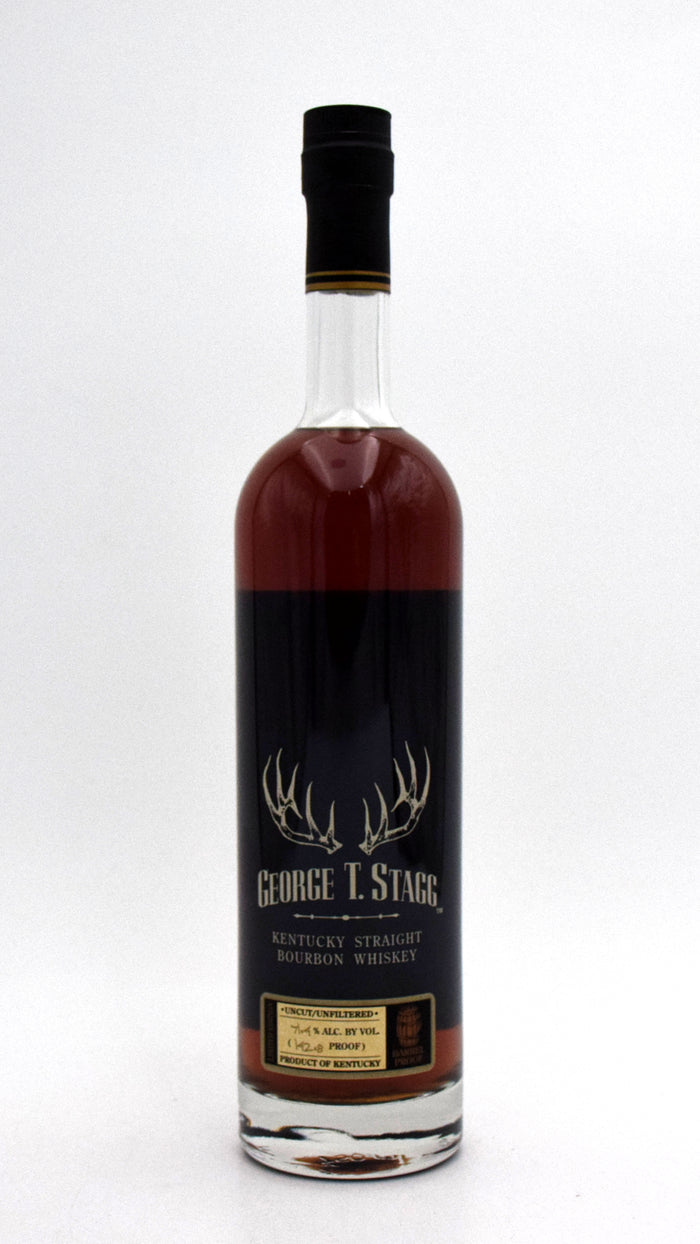
Here’s a crazy bourbon truth. Every year, thousands of people chase a bottle they’ve never tasted. No preview. No safety net. Just faith. That bottle is George T Stagg.
Say the name and reactions shift fast. Some folks grin. Others shake their head. A few start telling stories before you even ask. That’s because George T Stagg isn’t just strong bourbon. It’s a yearly event. And no two years feel alike.
Let’s break down why each release carries its own personality.
Why Annual Releases Matter So Much
From the start, George T Stagg refuses to play safe. There’s no fixed proof target. No locked-in flavor profile. Every release depends on barrel selection, aging conditions, and blending calls made that year.
That means one bottle might hit with bold heat and sharp spice. Another leans darker and sweeter. Fans argue nonstop about which year wins. And honestly, that debate keeps the brand alive.
The year on the label actually matters here.
Proof Swings Change the Experience
Proof is the first thing people talk about. And for good reason.
Some years push sky-high proof. Thick mouthfeel. Serious heat. Long finishes that hang around. Other years dial it back slightly. Still strong. Just smoother and more rounded.
That shift alone can make George T Stagg feel like a totally different bourbon. Same name. Different attitude.
Barrel Placement Shapes the Flavor
Warehouse location plays a massive role. Heat rises. Cooler air stays low. That affects how whiskey pulls flavor from the wood.
Hotter spots bring intense oak, char, and spice. Cooler spots lean toward chocolate, dark fruit, and caramel tones.
Each year pulls from a unique mix of these barrels. That natural variation keeps George T Stagg unpredictable. And that’s exactly why collectors chase multiple releases.
Early Bottles vs Modern Releases
Old-school fans swear earlier years had more edge. Raw power. Less polish. They weren’t wrong.
Newer releases show better balance. Cleaner structure. Still bold, but more controlled.
Even so, George T Stagg never turns gentle. Every year still hits with authority. The difference is how that power shows up in the glass.
Sweet Years, Spicy Years, and Wild Years
Some releases get famous for sweetness. Brown sugar. Dark fruit. Toffee notes that linger. Others go heavy on spice. Pepper. Clove. Toasted oak.
Then there are the wild ones. High proof monsters that demand patience. Maybe a splash of water. Maybe a deep breath before the first sip.
That flavor swing is why people rank years like sports seasons. Everyone has a favorite. And nobody agrees.
Why Collectors Obsess Over Specific Years
Scarcity plays a part. Certain years had lower yields. Some faced distribution issues. Others got hyped early by reviews.
But memory drives obsession. A pour shared at a big moment sticks. That emotional link turns a bottle into a legend.
That’s why George T Stagg isn’t one bottle. It’s a timeline of moments.
How It Stacks Against Other Icons
Collectors love comparisons. It’s part of the culture. Some line George T Stagg up next to pours like Ichiro's Malt or Michter's 20 just to feel the contrast.
Those bottles focus on refinement and restraint. Stagg goes the opposite direction. Big presence. Bold flavor. No filter.
That contrast highlights why year-to-year changes matter more here than with most other releases.
Drink It or Hold It? Depends on the Year
Some years beg to be opened. Balanced. Expressive. Easy to share with friends. Other years feel intense. Rare. Almost intimidating.
That’s why many collectors aim for two bottles. One to enjoy. One to stash away. With George T Stagg, value and reputation often tie closely to the release year.
Miss a year and you may never circle back without paying up.
No Single Year Wins Forever
Here’s the truth most fans agree on. There’s no perfect year. Just personal taste.
Some drinkers love heat. Some want sweetness. Some enjoy chaos in a glass. George T Stagg delivers all of it across different releases.
That’s why debates never end. And why they shouldn’t.
Tips for New Drinkers
If you’re new to George T Stagg, take a breath first. No need to chase the loudest year right away.
- Read a few tasting notes, not just one. Everyone’s palate is different, and patterns tell the real story.
- Talk to people who’ve actually opened their bottle. Shelf hype and glass time are two very different things.
- Don’t get stuck on proof numbers. Bigger isn’t always better.
- Some lower-proof years sip easier and show more flavor over time.
- Take small sips and let it sit in the glass. It changes as it opens up.
- Most important, trust your own taste. If you like it, that’s the win.
The Last Pour
Every year of George T Stagg tells a different story. Weather shifts. Barrels change. Decisions evolve. Nothing gets copied.
That’s why fans keep coming back. Not because it’s predictable. But because it isn’t.
Each release gives a new reason to sip, argue, and smile. And in the bourbon world, that’s a win.