Gable Roof Section Detail Guide: Structural Layers, Dimensions, and Best Practices
In a simple gable roof design, tighter spacing often outperforms heavier lumber. I’ve verified this repeatedly during retrofits. Structure favors balance, not bulk.
I’ve spent years cutting roof sections apart on paper and on-site, and if there’s one detail that separates a long-lasting roof from a problem child, it’s the gable roof section detail. Not the shingles. Not the color. The section.
When you understand the section, you understand everything.
This guide is built from jobsite mistakes I’ve corrected, drawings I’ve redlined, and roofs I’ve personally inspected years after completion.
What a Gable Roof Section Detail Really Shows
A gable roof section detail is a vertical slice through the roof system, from ridge to eave. It reveals how every layer stacks and works together.
This is where structure, insulation, ventilation, and water management collide.
Miss something here, and no amount of exterior beauty will save the roof.
Why Section Details Matter More Than Elevations
Elevations sell houses. Sections keep them standing.
I’ve seen beautiful gable style roof homes fail because the section ignored thermal breaks or load paths. The drawing looked fine. The performance was terrible.
The section exposes truth. Gravity. Moisture. Airflow.
That’s why builders who care obsess over it.
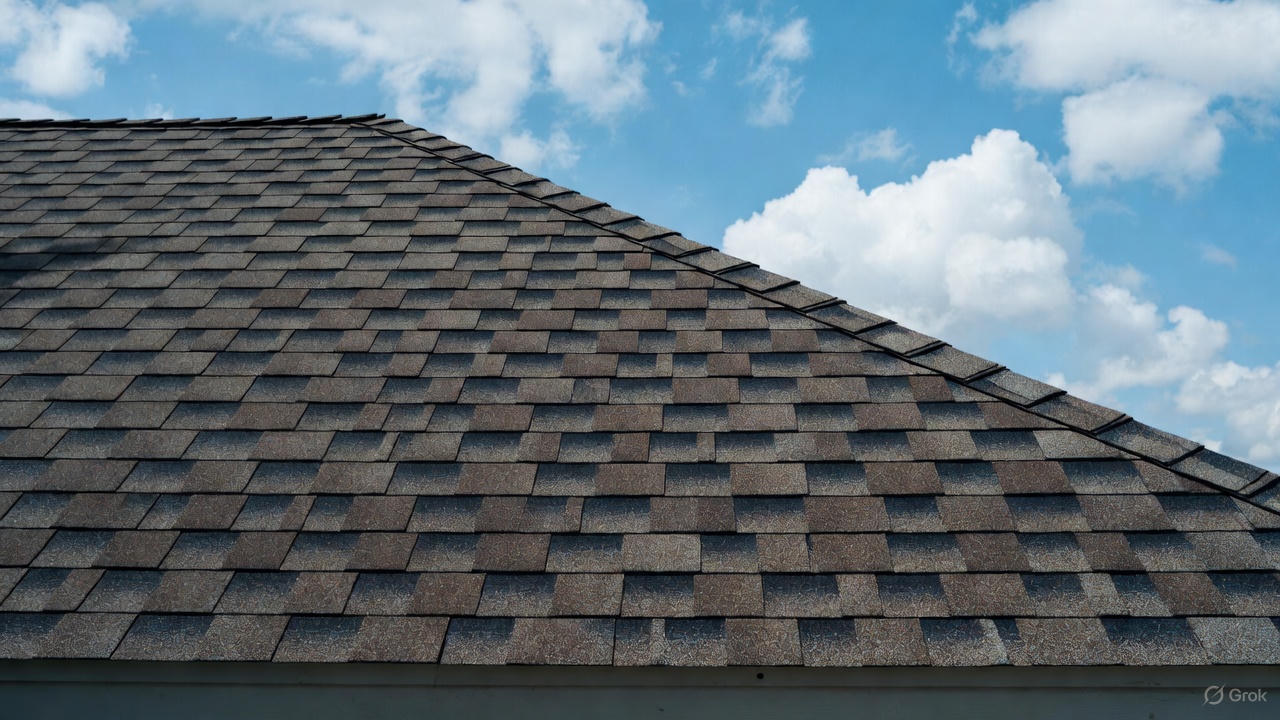
Core Layers in a Gable Roof Section
Every Gable Roof Structure relies on consistent layers working in sequence.
Roofing material sits on underlayment. Underlayment sits on sheathing. Sheathing spans rafters or trusses. Structure transfers load to walls.
Break that chain anywhere, and issues follow fast.
Parts of a Gable Roof Explained Simply
Understanding the parts of a gable roof helps decode the section.
Ridge board or ridge beam at the peak. Rafters or trusses forming slopes. Collar ties or rafter ties for stability. Sheathing for diaphragm strength. Eaves and gable ends closing the system.
Each piece has a job. None are optional.
Structural Dimensions That Actually Matter
Dimensions aren’t arbitrary. They’re earned through failures.
Rafter spacing affects deflection. Pitch affects drainage and snow load. Overhang depth affects wall protection.
In a simple gable roof design, tighter spacing often outperforms heavier lumber. I’ve verified this repeatedly during retrofits.
Structure favors balance, not bulk.
Simple Gable Roof Design in Section View
A simple gable roof design shines when viewed in section.
Straight load paths. Clean ventilation channels. Minimal thermal bridges.
That simplicity reduces labor errors. Fewer intersections mean fewer leaks.
Complex roofs fail in complex ways. Simple ones fail slowly, if at all.
Gable Roof Style and Climate Performance
A gable roof style must match climate, not trends.
Steep slopes shed snow efficiently. Moderate slopes balance cost and drainage. Low slopes demand flawless waterproofing.
I’ve seen northern roofs with shallow pitches ice-dam themselves into oblivion. The section told the story instantly.
Design without climate is gambling.
Gables Roof End Wall Details
The gables roof end wall is where wind gets aggressive.
Proper sheathing continuity matters. Blocking and bracing are critical. Load transfer must be uninterrupted.
After a windstorm inspection, I once found intact roofs attached to collapsed gable walls. The section lacked bracing.
The roof survived. The wall didn’t.
Types of Gable Roofs and Section Variations
Different types of gable roofs create different section challenges.
Side gables are straightforward. Cross gables introduce intersections. Dutch gables complicate load paths.
Each variation demands unique detailing. Reusing generic sections is a rookie mistake.
Custom roofs need custom sections.
Gable Roofing Styles and Material Layers
Different gable roofing styles change the upper layers, not the structure.
Asphalt shingles need ventilation tolerance. Metal roofs need expansion allowance. Tile needs extra structural capacity.
I once upgraded a roof to tile without changing rafter size. The section failed silently—until it didn’t.
Material weight always matters.
Ventilation: The Most Ignored Section Element
Ventilation lives entirely in section view.
Ridge vents need clear airflow paths. Soffit vents must not be blocked. Insulation baffles are non-negotiable.
Poor ventilation cooks roofs from below. I’ve measured attic temps exceeding 160°F in bad sections.
That shortens roof life dramatically.
Insulation Placement and Thermal Breaks
Insulation isn’t just R-value. It’s placement.
Compressed insulation loses effectiveness. Thermal bridging steals performance. Air gaps invite condensation.
In cold climates, I always check insulation alignment first. The section never lies.
Comfort begins here.
Best Practices I Trust in the Field
These are habits earned through callbacks.
Always draw the section first. Never trust default details. Verify load paths visually. Respect moisture movement.
The best roofs I’ve seen were boring on paper. That’s a compliment.
A Real Case from a Failed Roof Section
A client called about recurring ceiling stains.
The shingles were new. Flashing was fine.
The section revealed missing air baffles and crushed insulation. Moisture condensed daily. We corrected the section, not the surface.
Problem solved permanently.
Common Mistakes to Avoid
I see the same errors repeatedly.
Over-insulated eaves. Under-braced gable ends. Generic details on custom roofs. Ignoring wind uplift paths.
Every mistake shows up clearly in section view.
The Overlooked Keyword That Matters
Builders often miss the exact drawing labeled Gable Roof Section Detai—yes, even with typos. I’ve seen it buried, ignored, and misunderstood.
Yet that single detail often controls roof lifespan more than any other sheet.
Words matter. Details matter more.
Final Thoughts from Hands-On Experience
A roof doesn’t fail randomly. It fails logically.
The gable roof section detail is where that logic lives. When it’s right, the roof quietly does its job for decades.