
From Friction to Flow: UX Design Secrets of Winning Mobile Apps
Challenges enhance engagement. Others frustrate. The role of the designer is to know the difference and design accordingly.
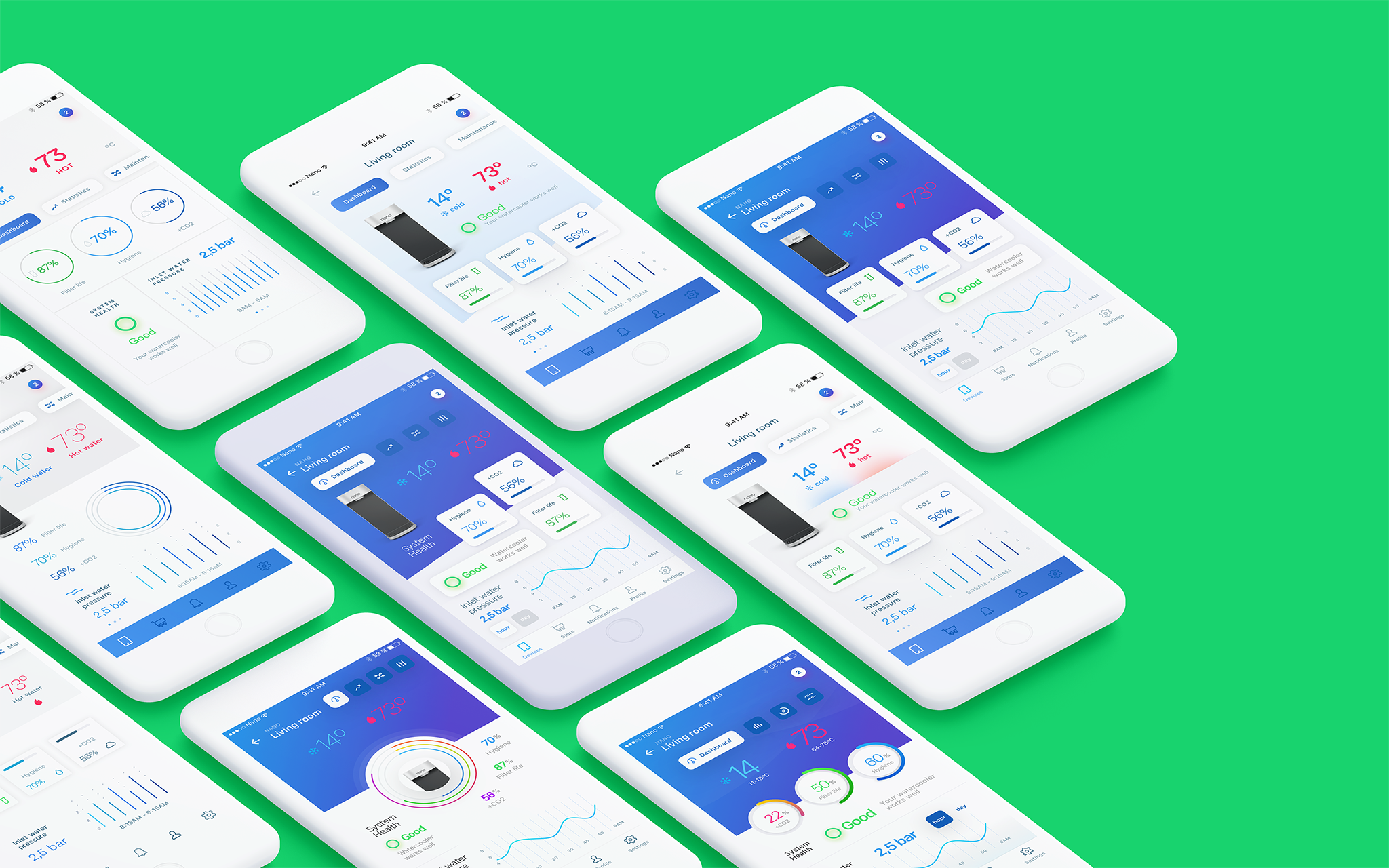
In an increasingly mobile-first world, apps have become more than just tools—they are digital environments where people live, work, shop, socialize, and manage their health and finances. But in the competitive realm of mobile experiences, the margin between user delight and abandonment is razor-thin. The slightest inconvenience can mean losing a user, perhaps forever. That’s why the best mobile apps are not necessarily the ones with the most features, but the ones that offer the most seamless, frictionless journeys. User Experience (UX) design has evolved from being a supporting function to the core driver of mobile app success.
Today’s users are savvy, time-conscious, and expect instant gratification. If an app doesn’t respond quickly, looks cluttered, or forces them to figure out how it works, they won’t hesitate to uninstall. That’s the digital reality in 2025—an era where attention spans are fleeting, expectations are soaring, and patience is practically non-existent. In this hyper-demanding landscape, UX design is no longer a ‘nice to have’—it is mission-critical.
Understanding Friction in Mobile UX
Friction in mobile user experiences can take many forms. It could be an extra step in the signup process, unclear icons, slow loading times, or inconsistent navigation. More subtly, friction might appear as cognitive overload when users are presented with too many options or unfamiliar UI patterns. In many cases, designers and developers unintentionally introduce these issues, focusing too much on aesthetics or functionality without understanding the actual user journey.
Great UX design focuses on reducing this friction. It’s about enabling users to achieve their goals with minimum effort. In practical terms, that means every tap, scroll, swipe, and message should feel intentional and intuitive. From the moment the app is opened to the second it’s closed, the experience should flow like water—smooth, purposeful, and satisfying.
But reducing friction isn’t just about simplifying interfaces. It’s about designing with empathy. This means understanding who your users are, what context they are in when using the app, and what emotional or psychological state they may be navigating. For instance, someone using a mobile banking app may be anxious or in a hurry. The best UX design responds to these invisible cues by making critical tasks easy to find and faster to complete.
The Psychology Behind Seamless Experiences
UX isn’t just about visuals or layout; it's fundamentally about how users feel when interacting with an app. This is where cognitive psychology meets design thinking. Concepts like Hick’s Law (the time it takes to make a decision increases with the number of choices) and Fitts’s Law (the time to acquire a target is a function of the distance and size of the target) play pivotal roles in crafting intuitive user journeys.
Winning apps use these principles to guide users subtly without overwhelming them. They reduce decision fatigue by offering just the right number of choices, use consistent design patterns that require no learning curve, and provide immediate feedback to user actions. The transition from friction to flow is the outcome of deliberate psychological design—a process that combines logic with empathy.
The flow state, often described in productivity psychology, is equally applicable to app usage. When a user is in flow, they lose awareness of time, stay fully engaged, and move through tasks effortlessly. The secret to inducing this state lies in providing clear goals, immediate feedback, and the right level of challenge. Apps that strike this balance are the ones users return to over and over again.
Regional Influence on UX Trends
User behavior is not universal. What feels intuitive in one culture may seem confusing or inefficient in another. This is particularly relevant for markets like the UAE, where global design meets regional sensibility. An app interface that works well in Silicon Valley may not resonate the same way with users in Dubai or Abu Dhabi. Colors, language direction, gestures, and even payment preferences vary widely across regions.
This is why local expertise has become essential in crafting mobile experiences that truly connect with users. App developers in Dubai have been instrumental in bringing this regional understanding to the forefront. By combining global best practices with local insight, they create apps that speak the language of their users—not just linguistically, but culturally and behaviorally. Whether it's optimizing for right-to-left languages or integrating with region-specific APIs, the UX must adapt to local norms while maintaining global standards.
Midway through this evolution, many organizations turn to Mobile App Development Services in UAE to bridge the gap between technical excellence and user alignment. These services go beyond just coding—they specialize in human-centered design that respects both cultural nuance and platform sophistication. The result is an app that not only functions well but feels right to the user from the first tap.
UX Is a Journey, Not a Deliverable
One of the biggest misconceptions in mobile app design is treating UX as a one-time phase in the development cycle. In reality, UX is an ongoing process of learning, testing, iterating, and refining. Even the most well-designed apps must evolve as user behavior changes, new devices enter the market, or technological capabilities expand.
Consider how biometric authentication, voice interfaces, and AI-based personalization have transformed UX expectations in just a few years. Users now anticipate features that anticipate their needs, not just respond to them. If your app isn’t evolving alongside these expectations, it’s falling behind.
This continuous evolution requires close collaboration between design, development, analytics, and user feedback teams. A/B testing, heatmaps, user interviews, and data-driven adjustments should become routine practices. The goal isn’t just to build a working product but to shape an experience that feels natural, anticipates needs, and exceeds expectations.
Flow-Centered Design as Competitive Advantage
In a crowded app ecosystem, differentiation is no longer just about what your app does—but how it feels to use. Flow-centered design becomes a powerful competitive advantage. It drives higher user retention, better engagement, and more positive reviews. Apps that minimize friction and maximize flow are more likely to become part of a user’s daily routine, ensuring long-term relevance.
Designing for flow means embracing minimalism, clarity, and user guidance. It’s about predicting user behavior and creating shortcuts for it. Smart onboarding processes, progressive disclosures, and anticipatory design are all part of the equation. When an app “just works,” it earns trust, and trust leads to loyalty.
Yet the best flow-centric apps aren’t necessarily the ones with the biggest budgets. Often, smaller app development companies that are agile and user-focused outperform larger ones trapped in outdated processes. Their ability to iterate rapidly, test frequently, and prioritize user insight gives them an edge in producing experiences that resonate.
Even within this fast-paced development race, certain locations have emerged as innovation hubs. The rise of mobile app development agency in Dubai has been driven by a unique blend of ambition, talent, and strategic investment in smart city and digital government initiatives. The environment fosters an ethos of forward-thinking design, allowing local agencies to craft not only functional apps but emotionally intelligent ones that shape how people live and interact with technology.
The Human Element in UX Excellence
At its core, UX design is about people. The shift from friction to flow is a shift from product-centered thinking to user-centered empathy. This isn’t a technological transformation—it’s a human one. It calls for understanding fear, curiosity, ambition, confusion, excitement, and every other emotion a user might bring to their digital journey.
It’s also about inclusion. Accessible design, support for neurodiverse users, and considerations for aging populations are becoming non-negotiables. Great UX design doesn't just cater to the average—it embraces the full spectrum of humanity.
Designers and developers must ask: How do users feel at every step of their journey? Where are they coming from? What do they need next? These questions unlock insights that wireframes and code alone cannot reveal. And when the answers are built into the app, the results are tangible—users stay longer, return more often, and share their experiences with others.
Conclusion: Designing for Flow is Designing for the Future
In the end, UX design is not about removing all friction—it’s about removing the wrong kind of friction. Some challenges enhance engagement. Others frustrate. The role of the designer is to know the difference and design accordingly. The most successful apps in 2025 are those that quietly anticipate needs, adapt to behavior, and create invisible paths for users to walk through.
The journey from friction to flow is both a creative challenge and a strategic imperative. It demands more than great visuals—it calls for great empathy, rigorous testing, and continuous evolution. As mobile experiences become more central to our daily lives, the margin for error continues to shrink.
But for those who are willing to understand users deeply, design intentionally, and evolve relentlessly, the payoff is not just in downloads or screen time. It's in creating meaningful digital experiences that feel less like technology—and more like second nature.