Electric Toothbrush Pros and Cons Dental Advice
Learn the pros and cons of electric toothbrushes. Get helpful dental advice to choose the right option for better oral care and daily brushing.
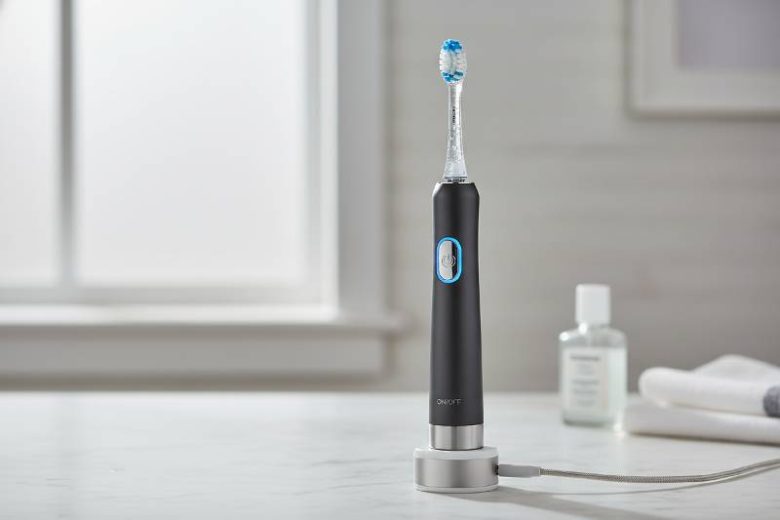
At Winn Family Dentistry, we believe that a healthy smile is the foundation of overall wellness. As a trusted dentist in Chippewa Falls electric toothbrush advice is one of the most frequent requests we receive during routine checkups. Patients often find themselves standing in the oral care aisle, overwhelmed by the variety of vibrating, oscillating, and smart-enabled devices. Choosing between high-tech gadgets and the traditional manual brush can be confusing. To help our community, we have compiled this guide on electric toothbrush pros and cons to ensure you make the best decision for your unique oral health needs.
Understanding the Basics: Electric vs Manual Toothbrush
The debate of electric vs manual toothbrush has existed for decades. Historically, manual brushes were the only option. They are simple, portable, and effective when used with the correct technique. However, the correct technique is often where people struggle. Most people do not brush for the full two minutes recommended by the American Dental Association, nor do they use the proper circular motion or pressure.
Electric toothbrushes were designed to bridge this gap. By automating the movement of the bristles, these devices can provide thousands of strokes per minute, far exceeding what a human hand can achieve. This efficiency is why many experts at our Chippewa Falls Dental Clinic often recommend the switch for patients who struggle with plaque buildup or early signs of gingivitis.
The Pros of Switching to Electric
The advantages of electric toothbrushes are backed by significant clinical research. One of the primary benefits is superior plaque removal. Because the bristles vibrate or rotate at high speeds, they can break up biofilm and food particles more effectively than a manual brush. This is a critical component of gum disease prevention, as plaque that stays on the teeth can quickly harden into tartar, leading to inflammation and bone loss.
Another benefit is the built-in technology. Most modern electric brushes include timers that ensure you brush for a full two minutes. Some even have pressure sensors that alert you if you are pressing too hard. For family dentist Chippewa Falls oral care tips often focus on the fact that children and teenagers are much more likely to brush thoroughly when they have a device that times them and makes the process feel more like a game.
Why Timing Matters: Most individuals think they brush for two minutes, but the average person actually brushes for less than 45 seconds. The timer on an electric toothbrush is one of the simplest yet most effective dental care tips for families looking to improve their routine.
The Cons of Electric Toothbrushes
Despite the benefits, there are some drawbacks to consider. The most obvious is the cost. While a manual brush costs a few dollars, an electric model can range from thirty to over two hundred dollars. Additionally, the replacement heads can be expensive and must be swapped every three months, just like a manual brush.
Portability and maintenance are also factors. Electric brushes require charging or batteries, and they are bulkier for travel. There is also a learning curve. Some people find the vibration sensation unpleasant or even painful if they have extremely sensitive teeth or recent dental work. At Winn Family Dentistry, we suggest trying a model with a "sensitive" mode if you are concerned about the intensity of the vibrations.
Electric Toothbrush Pros and Cons: A Summary
- Pro: More effective at removing plaque and reducing gingivitis.
- Pro: Built-in timers and pressure sensors improve technique.
- Pro: Easier for people with limited mobility or arthritis.
- Con: Significantly higher initial and long-term costs.
- Con: Fragile and requires charging.
- Con: Environmental impact of electronic waste and batteries.
Tailored Advice for Chippewa Falls Families
When searching for dental care tips for families, it is important to remember that every mouth is different. For parents in our community, electric toothbrushes can be a lifesaver. Kids often lack the manual dexterity to reach the back molars or brush along the gum line effectively. An oscillating brush head does much of the work for them, making it an essential tool for gum disease prevention starting at a young age.
However, if you are someone who has mastered the proper manual brushing technique and consistently maintains a clean bill of health at our clinic, a manual brush may be perfectly fine. The "best" toothbrush is the one you will actually use correctly every single day. If an expensive electric brush sits on the charger while you forget to brush, it offers no benefit at all.
Maintaining Your Oral Health in Chippewa Falls
Regardless of your choice in the electric vs manual toothbrush debate, regular professional cleanings are non-negotiable. Even the most advanced electric toothbrush cannot remove hardened tartar. That is where we come in. As your local family dentist Chippewa Falls oral care tips are just one part of the comprehensive care we provide. We combine at-home education with advanced in-office technology to keep your smile bright.
Frequently Asked Questions
How often should I replace the head of my electric toothbrush?
You should replace the brush head every three months or sooner if the bristles appear frayed. This ensures the brush remains effective and hygienic.
Is an electric toothbrush safe for children?
Yes, many electric toothbrushes are designed specifically for children. They often have smaller heads and softer bristles to accommodate developing mouths.
Can an electric toothbrush damage my gums?
Only if used incorrectly. If you press too hard, you can cause gum recession. Most modern electric brushes have pressure sensors to prevent this from happening.
Do I still need to floss if I use an electric toothbrush?
Absolutely. While electric brushes are great at cleaning the surfaces of teeth, they cannot reach deep between the teeth where many cavities begin.
Which is better for gum disease: electric or manual?
Clinical studies generally show that electric toothbrushes are more effective at reducing gingivitis and plaque, making them a better choice for those prone to gum issues.
Know more https://winnfamilydentistry.com/electric-toothbrush-pros-and-cons/