
Eco-Friendly Inbound Marketing: Attract Green Customers
Learn how to use eco-friendly inbound marketing to attract and delight sustainability-minded customers. Our guide covers content, engagement, and more.
Consumers are making their voices heard with their wallets, and the message is clear: sustainability matters. A recent study found that nearly 80% of consumers consider sustainability when making purchasing decisions. This shift means businesses can no longer treat eco-friendly practices as an afterthought. It's time to integrate them into the very core of your operations, including your marketing strategy.
So, how can you attract and retain these environmentally conscious customers? The answer lies in eco-friendly inbound marketing. This approach focuses on creating valuable content and experiences that naturally draw your ideal audience to your brand. It’s about building trust and showcasing your genuine commitment to the planet, not just broadcasting a green logo.
What is Eco-Friendly Inbound Marketing?
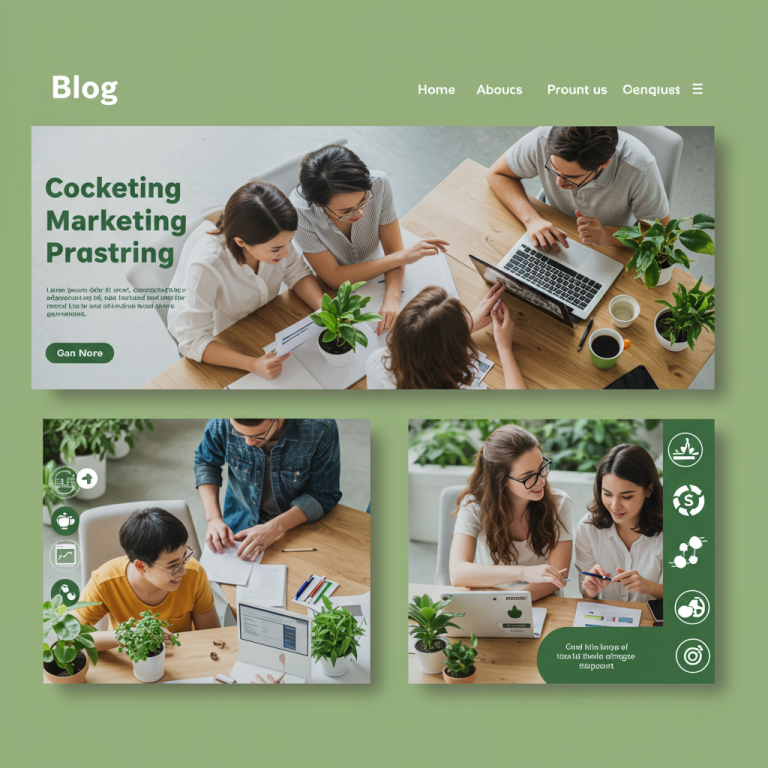
Eco-friendly inbound marketing is a strategy that attracts customers by creating content and experiences tailored to their interest in sustainability. Instead of using traditional, disruptive outbound methods like paid ads or cold calls, this approach focuses on providing value and building relationships. It’s about showing, not just telling, your audience that your brand is genuinely committed to environmental responsibility.
The core principle is to align every stage of the inbound methodology—Attract, Engage, and Delight—with sustainable practices and messaging.
- Attract: You pull in the right audience with valuable content that addresses their questions and concerns about sustainability. This could be a blog post about reducing carbon footprints or a guide to recyclable packaging.
- Engage: You present solutions and insights that build trust and show how your products or services align with their values. This involves transparent communication about your supply chain or highlighting the eco-friendly materials you use.
- Delight: You provide outstanding support and resources that empower your customers to be part of your brand's sustainable journey, turning them into loyal advocates.
By weaving sustainability into your marketing, you create a powerful connection with consumers who want to support businesses that make a positive impact.
Attract: Creating Sustainable Content
The foundation of any successful inbound strategy is valuable content. For an eco-friendly approach, your content should not only be informative but also reflect your brand's commitment to sustainability.
Develop a Green Content Strategy
Your content should serve two main purposes: to educate your audience on sustainability topics and to showcase your brand's green initiatives. Brainstorm topics that resonate with an eco-conscious audience and align with what your business offers.
Content ideas include:
- Blog Posts: Write articles on topics like "10 Ways to Reduce Plastic Waste at Home," "Understanding Carbon Offsetting," or "The Benefits of Shopping from B-Corp Certified Brands."
- Guides and Ebooks: Create in-depth resources, such as a guide to creating a zero-waste kitchen or an ebook on the lifecycle of your products.
- Videos: Produce short videos showcasing your sustainable manufacturing processes, interviewing your suppliers, or offering tutorials on how to upcycle your product packaging.
Optimize for Green Keywords
To ensure your target audience finds your content, you need to optimize it for search engines. Research keywords that sustainability-minded consumers are using. These might include long-tail keywords like "eco-friendly running shoes," "sustainable home decor brands," or "how to shop for ethical clothing."
Use tools like Google Keyword Planner or Ahrefs to identify relevant keywords with decent search volume. Incorporate these keywords naturally into your blog posts, page titles, meta descriptions, and image alt text to improve your visibility on search engine results pages (SERPs).
Leverage Social Media
Use social media platforms to share your content and engage with a wider audience. Platforms like Instagram and Pinterest are highly visual, making them perfect for showcasing your eco-friendly products and sharing beautiful, inspiring content about sustainable living.
Create shareable graphics with sustainability tips, run polls asking your audience about their eco-friendly habits, and use relevant hashtags like #SustainableLiving, #EcoFriendly, #GreenBusiness, and #ConsciousConsumer to reach interested users.
Engage: Building Trust and Transparency
Once you've attracted visitors with your content, the next step is to engage them in a meaningful way. For an eco-conscious audience, this means being transparent, authentic, and demonstrating your commitment to sustainability in everything you do.
Showcase Your Sustainable Practices
Don't be shy about sharing your brand's eco-friendly initiatives. Dedicate a section of your website to detailing your sustainability efforts. This could include information about:
- Materials and Sourcing: Explain where your materials come from and why they are sustainable. Are they recycled, organic, or locally sourced?
- Manufacturing Processes: Describe how your products are made. Do you use renewable energy, minimize water usage, or reduce waste in your production line?
- Packaging: Highlight your commitment to eco-friendly packaging. Do you use compostable mailers, recycled cardboard, or minimal packaging?
- Certifications: Display any environmental certifications your brand has earned, such as B Corp, Fair Trade, or 1% for the Planet.
Transparency builds credibility and shows your audience that you're not just "greenwashing"—making unsubstantiated claims about your environmental practices.
Tell Your Brand Story
Connect with your audience on a deeper level by sharing the story behind your brand's commitment to sustainability. Why is this important to you and your team? Was there a specific moment that inspired you to build a more eco-friendly business?
Sharing your "why" helps humanize your brand and creates an emotional connection with customers. People want to support businesses they believe in, and a compelling brand story can be a powerful differentiator.
Delight: Fostering a Green Community
The final stage of the inbound methodology is to delight your customers, turning them into loyal fans and promoters of your brand. For an eco-friendly business, this means empowering them to be part of your mission.
Offer Exceptional Customer Support
Provide a customer experience that reflects your brand's values. Ensure your support team is knowledgeable about your sustainability initiatives and can answer customer questions confidently. Quick, helpful, and friendly support shows that you care about your customers and value their business.
Create a Community
Build a community around your shared values. You can do this by:
- Launching a Loyalty Program: Reward repeat customers with exclusive discounts or early access to new products. Consider adding a feature that allows customers to donate their loyalty points to an environmental charity.
- Encouraging User-Generated Content: Ask customers to share photos of how they use your products in their daily lives with a specific hashtag. Feature their content on your social media channels to foster a sense of community.
- Seeking Feedback: Regularly ask for customer feedback on your products and sustainability efforts. This shows that you value their opinions and are committed to continuous improvement.
Paving the Way for a Greener Future
Adopting an eco-friendly inbound marketing strategy is more than just a business tactic; it's a commitment to a more sustainable future. By creating valuable content, being transparent about your practices, and building a community of like-minded individuals, you can attract and retain customers who share your passion for the planet.
Start by taking small, actionable steps. Choose one area to focus on, whether it's revamping your blog strategy with green keywords or creating a dedicated sustainability page on your website. Every step you take brings you closer to building a brand that not only thrives in the market but also contributes to a healthier world.