
Char Dham Tour Package Route & Road Guide for 2026 Pilgrims
This detailed route guide explains the order of travel, approximate road distances, important milestones, and how a typical package maps out the journey so pilgrims can prepare confidently for the 2026 season.
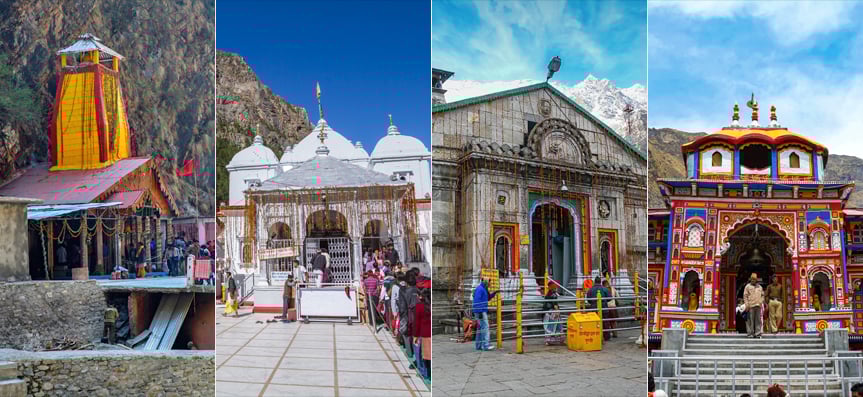
Choosing the right char dham tour package goes beyond just cost and comfort — understanding the travel route, distances, and what to expect along the road makes a huge difference in planning a smooth and meaningful pilgrimage. The Char Dham Yatra in Uttarakhand covers four sacred shrines — Yamunotri, Gangotri, Kedarnath, and Badrinath — following a traditional clockwise circuit that many packages follow for logistical and spiritual reasons.
Traditional Char Dham Route: Order of the Journey
Most Char Dham Tour Packages follow a fixed route order starting from the westernmost shrine and ending at the northernmost:
- Yamunotri – Source of the Yamuna
- Gangotri – Origin of the Ganga
- Kedarnath – Abode of Lord Shiva
- Badrinath – Abode of Lord Vishnu
This sequence respects not just the spiritual tradition but also practical travel flow through the Garhwal Himalayas.
Main Starting Points Used in Package Itineraries
Char Dham packages typically begin from one of the following hubs:
- Haridwar: Most traditional starting point with direct road connectivity.
- Rishikesh: Slightly closer to hills with less initial travel fatigue.
- Dehradun: Often used when pilgrims arrive by air.
From these points, subsequent travel flows into the mountain regions following the traditional route.
Road Distances & Travel Segments
Understanding road distances helps pilgrims estimate travel time and energy levels required between destinations. Below are typical segments seen in most package road routes:
Starting from Delhi / Haridwar Region:
- Delhi to Haridwar / Rishikesh: ~210–230 km / 6–7 hrs
- Haridwar / Rishikesh to Barkot (Yamunotri base): ~180–220 km / 5–7 hrs
- Barkot to Janki Chatti / Yamunotri foothill: ~36–45 km drive + ~6–7 km trek or pony ride
- Yamunotri base to Uttarkashi: ~80–100 km / ~3–4 hrs
- Uttarkashi to Gangotri: ~95–100 km / ~3–4 hrs
These journeys involve scenic roads with winding sections typical of mountain travel.
From Gangotri Toward Kedarnath:
- Uttarkashi to Rudraprayag / Guptkashi: ~170–180 km / ~6–8 hrs
- Rudraprayag to Kedarnath base (Gaurikund): ~74–80 km drive
- Then a ~16 km trek to the temple or assisted travel options as arranged in some packages.
From Kedarnath to Badrinath:
- Rudraprayag to Badrinath: ~160–165 km / ~6–7 hrs.
- Badrinath to Rishikesh / Haridwar for return: ~290–300 km / ~10–11 hrs.
Many packages organize rest stops, meals, and overnight stays strategically at towns like Barkot, Uttarkashi, Rudraprayag, and near Badrinath to make each travel day manageable.
Trekking & Road Conditions Along the Route
Though most of the yatra is done by road, two sections typically involve trekking:
- Yamunotri: From Janki Chatti to temple (~6–7 km trek).
- Kedarnath: From Gaurikund to shrine (~16 km trek).
Packages often offer assisted options like ponies, palanquins, or helicopters at additional cost for these sections — a helpful choice for pilgrims with limited mobility.
What Road Travel Looks Like in a Package
A well-organized Char Dham Tour Package usually breaks the route into comfortable daily segments, allowing pilgrims to:
- Travel early in the morning and rest before evening.
- Avoid night driving due to mountain road risks and restrictions.
- Stay overnight at locations that minimize next-day travel stress.
- Plan buffer days for weather-related delays.
Pilgrims should expect narrow roads with sharp turns and require patience and flexibility. Cell phone networks can be intermittent as you travel deeper into the mountains.
Road Safety & Seasonal Considerations
Mountain roads can be affected by seasonal weather shifts, especially during monsoon or sudden temperature changes. Landslides and water crossings are possible in certain sectors, so packages often allow slack days to adjust schedules if needed.
Final Thoughts: Why Knowing the Route Matters
A well-planned Char Dham Tour Package does more than book hotels and transport — it structures your journey around the realities of mountain travel. By knowing typical travel distances, road conditions, and trekking requirements, pilgrims can prepare mentally and physically, choose pacing wisely, and set expectations realistically.
For 2026, clearer awareness of travel flow and route strategy helps devotees experience the Char Dham pilgrimage with greater ease, safety, and spiritual focus — allowing the journey toward the four sacred shrines to be as meaningful as the destination itself.
Frequently Asked Questions
Q. What is the traditional order of the Char Dham Yatra route?
Ans: The commonly followed sequence is Yamunotri → Gangotri → Kedarnath → Badrinath.
Q. How long does the road journey usually take between dhams?
Ans: Overall driving distance from Haridwar through all dhams can exceed 1,200 km, spread over multiple days.
Q. Are there treks involved in the Char Dham route?
Ans: Yes, treks are involved at Yamunotri (~6–7 km) and Kedarnath (~16 km), though assisted travel is often available.
Q. Which city is best to start the journey from?
Ans: Haridwar and Rishikesh are most popular due to closer proximity; Dehradun is preferred if arriving by air.
Q. Can families or elderly pilgrims handle the road route?
Ans: Yes, with proper pacing, rest stops, and a well-planned Char Dham Tour Package, families and seniors can manage the journey safely.