Can Bone Grafting Restore Jaw Strength After Tooth Loss?
Restore your jaw strength and protect your smile with bone grafting after tooth loss. Learn how this proven procedure rebuilds bone, supports dental implants, and preserves facial structure. Discover what to expect during healing and why timely treatment is key for long-term oral health.
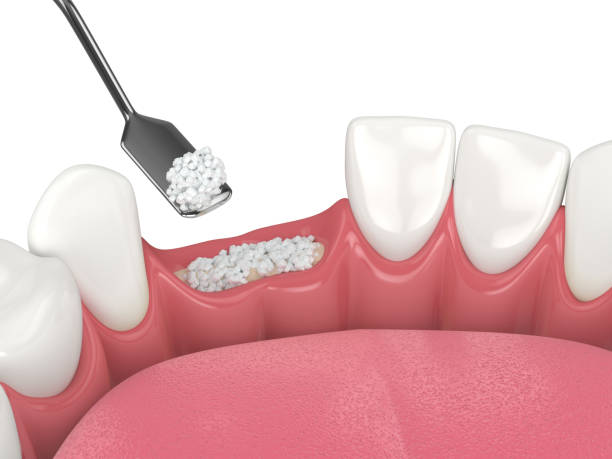
Tooth loss affects more than just your smile, it can have a lasting impact on your jawbone and overall oral health. When a tooth is lost, the jawbone in that area no longer receives the stimulation it needs to stay strong. Over time, this can lead to bone loss, facial changes, and difficulty with future dental treatments. Bone grafting is a proven dental procedure designed to rebuild lost bone and restore jaw strength.
If you’re consulting a top-rated San Jose dentist, understanding how bone grafting works and when it’s recommended can help you make informed decisions about your oral health.
Why Jawbone Loss Happens After Tooth Loss
Natural teeth play a critical role in keeping the jawbone healthy. Each time you chew, pressure is transferred through the tooth roots to the bone, stimulating bone regeneration. When a tooth is missing, that stimulation stops.
As a result:
- The jawbone begins to shrink
- Nearby teeth may shift
- Facial structure can change
- Dental implants may become more difficult later
Bone loss can begin within months of tooth extraction and continue if left untreated.
What Is Bone Grafting?
Bone grafting is a procedure that adds bone material to areas where bone loss has occurred. This graft acts as a scaffold, encouraging your body to regenerate natural bone over time.
A San Jose dentist may recommend bone grafting before placing dental implants or to prevent further jaw deterioration after tooth loss.
Types of Bone Grafting Materials
There are several types of bone grafting materials, and your dentist will choose the right option based on your needs.
Common options include:
-
Autografts: Bone taken from another area of your body
-
Allografts: Processed donor bone
-
Xenografts: Bone from animal sources
-
Synthetic grafts: Man-made materials that promote bone growth
Each option is safe and designed to support bone regeneration.
How Bone Grafting Restores Jaw Strength
Bone grafting helps rebuild jawbone by encouraging new bone growth. Over time, the grafted material is absorbed and replaced by your own natural bone, increasing bone density and strength.
Patients receiving bone grafting in San Jose often experience:
- Improved jaw stability
- Better support for dental implants
- Preservation of facial shape
- Reduced risk of further bone loss
This process can take several months, but the results are long-lasting.
What to Expect During Healing
Healing after bone grafting varies depending on the size of the graft and your overall health. Mild swelling and discomfort are common during the first few days.
Following your dentist’s aftercare instructions, such as maintaining good oral hygiene, avoiding smoking, and attending follow-up visits, plays a key role in successful healing.
Is Bone Grafting Necessary for Everyone?
Not every patient with tooth loss needs bone grafting. However, if significant bone loss has already occurred, grafting may be essential to restore jaw strength and create a stable foundation for implants.
A thorough evaluation by a San Jose dentist using digital imaging helps determine whether bone grafting is needed.
Conclusion
Bone grafting is a highly effective way to restore jaw strength after tooth loss and protect long-term oral health. By rebuilding lost bone, this procedure helps preserve facial structure, improve stability, and expand future treatment options.
If you’re considering bone grafting in San Jose, a consultation with an experienced dentist can help you understand your options and create a personalized treatment plan for a healthier, stronger smile.