
Bosch Grinding Wheel Selection Guide for Metal, Steel, and Concrete Applications
Choosing the right grinding wheel often matters more than the grinder itself. When the wheel matches the material and workload, grinding stays safer, smoother, and far more consistent from start to finish.
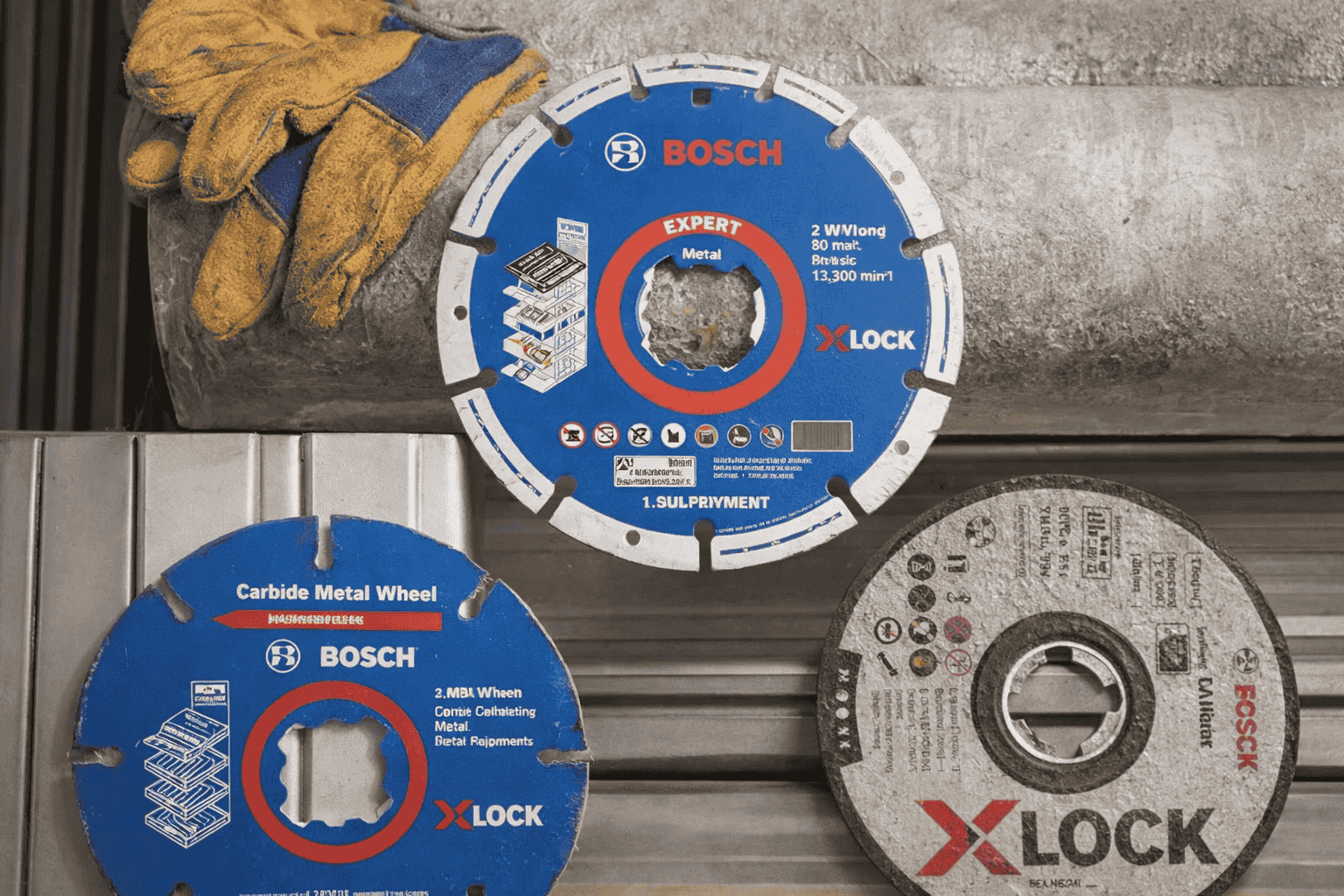
As we move further into 2026, job sites and workshops are under more pressure than ever. Material costs are higher. Timelines are tighter. Safety expectations are stricter. Small inefficiencies now carry real consequences. One of the most common yet overlooked causes of grinding issues is simple. The wrong grinding wheel for the material at hand.
So where does the problem start?
Problems with grinding rarely announce themselves early. They show up as overheating, uneven finishing, damaged or bumpy surfaces, or in tools that wear out faster than expected. Most teams will instinctively look at the machine when something feels off. The grinder is powerful enough. The RPM is correct. The operator knows the job. A fabricator is smoothing the welds on steel. A contractor is preparing concrete edges. The same grinder gets used for both. The results change drastically.
This article breaks down how to choose the right Bosch Grinding Wheel, understand abrasive wheel types, select material-specific grinding discs, and match the right setup for heavy-duty grinding applications without guesswork.
Why Grinding Wheel Choice Has a Bigger Impact Than Most People Think
The wheel does more work than the machine
The grinder provides speed and power. The grinding wheel does the cutting. It controls heat, surface finish, vibration, and how fast material is removed. Even high-quality grinders struggle when paired with unsuitable angle grinder accessories.
Industry safety guidance from European abrasive bodies notes that selecting a wheel or disc that is unsuitable for the application increases the risk of premature wear, poor grinding performance, and potential product breakage. FEPA safety publications have repeatedly stressed that incorrect selection and mounting are common contributors to wheel damage and failures in grinders.
That guidance exists because real incidents keep happening on a regular basis.
What usually goes wrong first
When a wheel that is not suited to the material is used, several issues begin to appear. Firstly, the wheel overheats. The abrasive grains begin to glaze instead of cutting. Operators apply more pressure to compensate. Thus, vibration increases and control reduces. In some cases, the disc fails before its expected life.
Occupational safety guidance identifies improper selection, mounting, and use of grinding wheels as recurring factors in handheld and power tool accidents, including fragment ejection and loss of control incidents. OSHA publications consistently highlight that using an incorrect wheel for the tool, speed rating, or material is a major contributor to injuries in metalworking and construction environments.
This is not about rare failures. It is about common habits that have been there for a long time.
Where does this show up on real job sites?
Fabrication shops see uneven welding finishes on metals. Maintenance teams replace discs more often than expected. Construction crews struggle with inconsistent concrete grinding. The machine stays the same, but productivity drops.
Once teams recognise the wheel as the real variable that makes the real difference, performance stabilises, and the work becomes smoother and more consistent.
Understanding Abrasive Wheel Types Without Overcomplicating the Choice
The basic abrasive materials and what they are good at
Most grinding wheels fall into a few core abrasive wheel types. Aluminium oxide is commonly used for general metal grinding. Silicon carbide is suited for non-ferrous materials and masonry. Zirconia and ceramic abrasives are engineered for higher pressure and longer life in steel grinding.
Each abrasive behaves differently under different loads. Some of them fracture to expose fresh cutting edges. Others dull faster but cost less. Understanding this behaviour matters more than memorising technical terms.
Why does performance differ even at the same RPM?
Two wheels spinning at the same speed can perform very differently. Grain structure, bond hardness, and heat resistance determine how efficiently the material is removed. Technical information from abrasive manufacturers reports that engineered ceramic and zirconia alumina grains typically last longer and grind better than standard aluminium oxide when used in heavy-pressure grinding.
Supplier data and application notes commonly describe that ceramic and zirconia products usually cut faster and last longer as compared to standard aluminium oxide when used for tough and demanding metal grinding work.
The difference shows up in disc life, operator effort, and surface consistency.
Choosing based on working conditions, not labels
Continuous grinding for long periods generates more heat than short bursts. Thick steel behaves differently from thin sections. High-pressure work needs tougher abrasives. Light finishing needs more control than aggression.
Once working conditions are clear, the abrasive choice becomes simpler.
Matching Material-Specific Grinding Discs to Metal and Steel
Metal and steel do not respond the same way
Mild steel, stainless steel, and alloy steels behave differently under friction. Stainless steel is heat-sensitive. Carbon steels can tolerate more pressure. Using general-purpose discs across all metals often leads to overheating or surface damage.
This is where material-specific grinding discs make a difference.
How Bosch designs wheels for metal applications
Manufacturer product information from Bosch indicates that abrasives formulated for specific materials are designed to deliver faster stock removal and longer service life than general-purpose discs when used under recommended conditions. Bosch technical materials also highlight that selecting application-optimised discs improves grinding efficiency while reducing disc consumption in professional use.
A Bosch Grinding Wheel designed for steel maintains cutting consistency and balance, even during longer grinding cycles.
Practical examples from fabrication work
During weld smoothing, a suitable steel grinding wheel removes material evenly without excessive heat buildup. During edge preparation, the right disc reduces chatter and improves control. Over a full shift, this reduces fatigue and improves finish quality.
The benefits are felt long before disc replacement time.
Why Concrete Grinding Needs a Completely Different Approach
Wheels wear off differently on concrete than on metal
Concrete contains hard stones inside it and sometimes hidden steel bars too. Dust also increases friction. Because of these conditions, standard metal grinding wheels can wear out quickly on concrete.
Construction safety guidance explains that concrete and masonry grinding involves highly abrasive aggregates, requiring consumables designed with robust bond systems to maintain performance and control.
What to look for in concrete grinding discs
Concrete grinding often requires harder or specially formulated bonds. Industry recommendations that follow with HSE guidance indicate that operations on concrete, stone, and similar materials often call for different bond characteristics than those used for general metal grinding.
Matching the disc to the concrete prevents rapid wear and unstable cutting.
Where this matters most on site
Floor edge grinding. Surface correction. Repair preparation. When the right disc is used, operators spend less time fighting the tool and more time completing the task safely.
This is where angle grinder accessories stop being optional and start becoming critical.
Choosing the Right Bosch Grinding Wheel for Heavy-Duty Work
What heavy-duty grinding really means
Heavy-duty grinding applications involve sustained, steady pressure, working for longer periods, and harder materials. Disc failure or inconsistency here carries a higher risk.
Heavy-duty does not mean using more force. It means using the right setup.
Design factors that matter in demanding use
Bosch technical materials emphasise reinforced construction, controlled wear patterns, and compliance with safety standards. These features help maintain stability during extended grinding.
A Bosch Grinding Wheel built for heavy-duty use balances durability with predictable performance.
A simple decision checklist that professionals use
What material am I grinding?
How long will the grinding run continuously?
Is surface finish or speed more important?
Does the disc match the grinder speed rating?
Clear answers to these questions can lead to safer outcomes.
Actionable Takeaways You Can Apply Immediately
- Match abrasive wheel types to material behaviour, not convenience
- Use material-specific grinding discs to reduce heat and disc waste
- Treat angle grinder accessories as performance tools, not add-ons
- Choose a Bosch Grinding Wheel based on application needs, not habit
- For heavy-duty grinding applications, prioritise stability and disc life
A Thought Before the Next Job Starts
Grinding problems rarely start during the job. They start with selection. When the wheel matches the material, the grinder feels easier to control, the surface finishes cleaner, and work moves forward without interruption.
As materials, safety standards, and expectations continue to evolve, informed tool selection becomes a quiet advantage.
Before switching on the grinder again, one question is worth asking. Is the wheel truly right for the work ahead, or is it simply the one within reach?
That answer often decides the outcome.