
Bosch Grinding Wheel Safety: Common Risks and How to Avoid Them
Grinding incidents rarely come from bad luck. They come from small choices repeated every day. Ignoring limits. Skipping checks. Rushing setup.
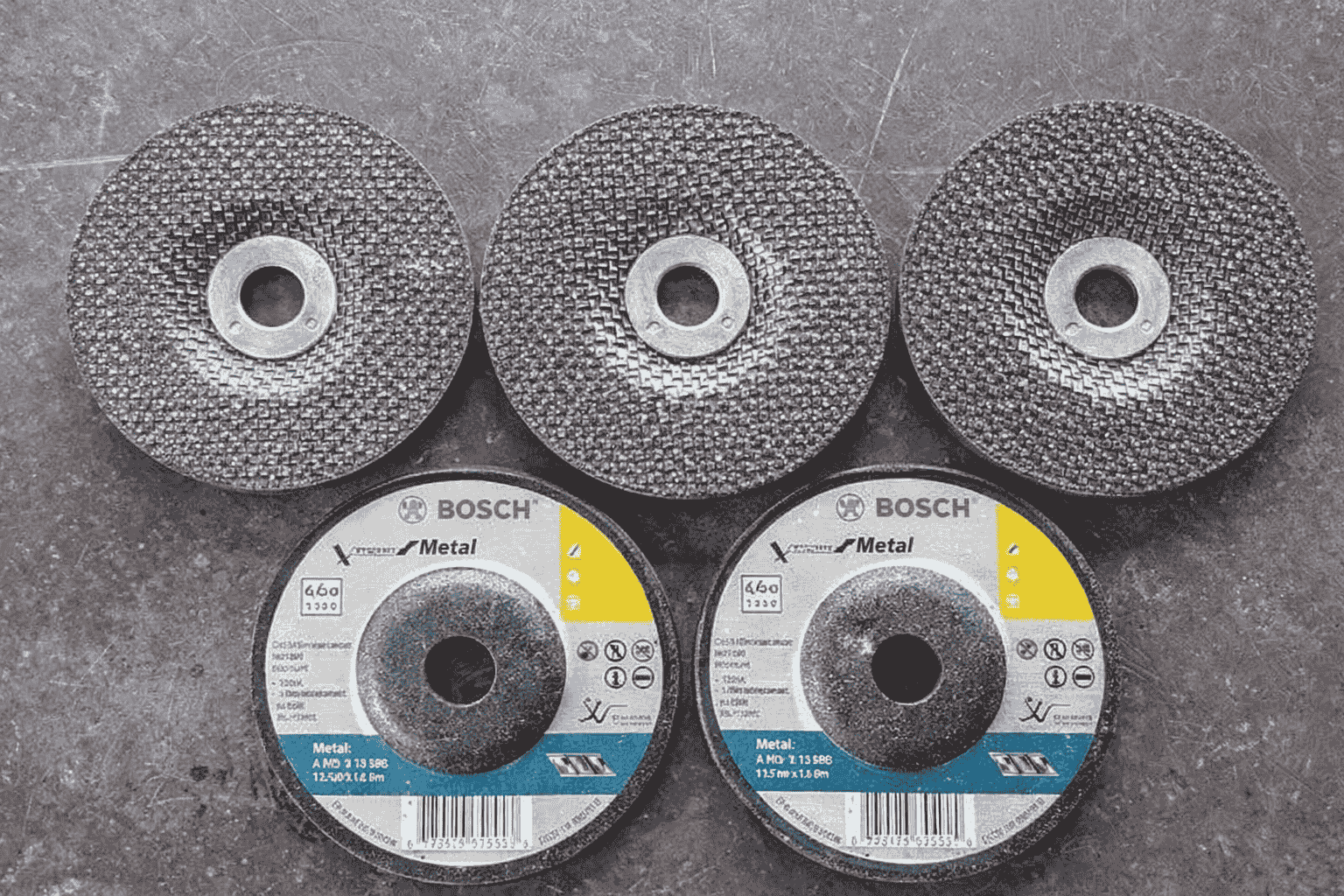
A routine job. A sudden crack. And a moment no one forgets.
The grinder powers on and starts like it always does.
The wheel spins up. Sparks fly as expected and the job feels routine.
For a few seconds, everything feels normal.
Then the sound changes. A sharp crack cuts through the noise.
The wheel breaks mid-spin. Everyone steps back, with hearts racing. For a moment, the workshop goes silent. Everyone realizes how close that moment came to serious injury.
Moments like these are not rare stories from the past. They still happen in workshops today. As workloads increase and timelines tighten, safety during grinding work matters more than ever. As timelines tighten in 2026, speed and output continue to rise, but the risks tied to high-speed tool operation rise with them.
This article looks closely at why grinding incidents happen, where grinder wheel breakage risks come from, and how the right habits, tools, and decisions can keep people safe. The goal is simple. Help you prevent problems before they reach that breaking point.
Why Grinding Wheels Fail More Often Than Expected
Speed creates pressure you cannot see
A grinding wheel makes thousands of rotations per minute. During high-speed tool operation, even a small mismatch between the grinder and the wheel creates a lot of stress. That stress builds quietly.
When teams push grinders harder to finish faster, the wheel absorbs the pressure. The surface may look fine, but tiny cracks start forming inside. Over time, those cracks grow until failure becomes unavoidable.
This is where the right Bosch grinding wheel matters. Each wheel carries a maximum speed rating. When the grinder exceeds that rating, the risk increases instantly.
What safety data shows about overspeeding
According to guidance from the European Federation of Abrasives Producers, overspeeding remains one of the most common causes of abrasive wheel failure. When a wheel spins beyond its designed limit, centrifugal force can exceed the material’s strength. At that point, breakage becomes likely.
Many incidents do not happen immediately. They happen after minutes of use, once heat and stress combine.
How this plays out in workshops
When a wheel with a lower RPM rating still fits on the grinder, it often creates a false sense of safety. That false sense of compatibility can be pretty risky. Operators continue working until the vibration increases or they feel the control dropping. By then, the damage is already done. The wheel breaks or fails without a clear warning.
The lesson is simple. Speed ratings exist for a reason. They are limits. Respecting them keeps grinding work controlled, predictable and safe.
Using the Wrong Wheel for the Material Increases Risk Fast
One wheel cannot do every job well
Metal, stone, and concrete behave differently under pressure. Each material creates its own heat and friction pattern. When teams use one wheel across multiple surfaces, they increase the grinder wheel breakage risks.
A Bosch grinding wheel designed for metal cutting handles pressure differently from one made for masonry work. Mixing those up causes faster wear and uneven stress.
What safety audits reveal
The Health and Safety Executive has highlighted that incorrect wheel selection is a recurring factor in grinding-related incidents. Investigations often show that operators reuse wheels across materials to save time or reduce cost.
That shortcut rarely saves anything in the long run.
Applying the right approach today
Workshops that see a reduction in incidents follow a simple rule- match the wheel to the material. Every time. They label storage clearly. They separate used wheels by application. They discard wheels that fall or suffer visible damage.
Choosing the right wheel improves control. Control improves safety. Safety protects people and productivity.
Why Personal Protective Equipment Still Gets Ignored
The false comfort of quick tasks
Many operators skip personal protective equipment (PPE) for short grinding jobs altogether. They think a few seconds of work does not justify full protection and do not bother wearing it. That assumption causes serious injuries that could have been very well avoided.
Eye protection, gloves, and face shields exist because grinding throws off fragments very fast. During high-speed tool operation, even the smallest piece can cause serious harm in a split second.
What injury data confirms
The Occupational Safety and Health Administration reports that eye and face injuries remain among the most common injuries caused by abrasive tools. Many of these injuries occur during routine tasks that workers consider low risk.
The National Institute for Occupational Safety and Health also points out that using proper PPE greatly reduces how serious these injuries become. The problem is not that PPE is missing. It is that people do not use it every time.
Turning PPE into a habit, not a rule
Workshops that succeed treat PPE like a tool, not an option. They place protection gear right next to the grinder station. They train teams to put on gear before switching machines on.
When putting on the PPE becomes automatic, work flows smoothly and people feel more confident doing it safely.
Mounting Errors and Missed Inspections Cause Silent Failures
Small setup mistakes create big problems
Improper mounting of the wheel creates an imbalance. Worn flanges, incorrect tightening, or damaged adapters place uneven pressure on the wheel. So during high-speed tool operation, this imbalance increases the vibration and stress.
Many operators ignore these early warning signs because the wheel still cuts.
What inspections often uncover
The International Labour Organization emphasizes the need to inspect abrasive tools before use. Safety reviews have often shown that cracked or moisture-exposed wheels enter service without checks.
A quick inspection can remove that risk before the grinder even starts.
Building inspection into daily work
Prevention is always better than a cure. Teams that prevent incidents follow and stick to a few simple steps. They inspect wheels at the beginning of each shift. They listen for unusual sounds and they stop work if the vibration changes or feels different.
These checks take only a few seconds. However, dealing with an injury takes much more time and effort.
How Workshop Culture Shapes Grinding Safety
Rules alone do not protect people
Effective workshop safety practices depend on how people act, and not on posters that hang on the wall. Workplace culture decides whether safety holds up when pressure and deadlines tighten.
When leaders rush or skip precautionary measures, teams will follow that behavior. But when they pause work to address and fix safety issues, the teams will follow their lead.
What safer workshops do differently
High-performing workshops standardize wheel selection. They make sure PPE is always used, without arguments; they replace damaged wheels immediately and treat safety discussions as part of daily operations.
These habits reduce grinder wheel breakage risks naturally over time.
Making safety part of everyday work
Regular safety talks help, but clear responsibility helps even more. When everyone knows who checks equipment, who approves it, and who replaces it, safety becomes part of the routine.
A strong safety culture turns good intentions into daily action.
Practical Steps You Can Apply Right Now
- Match grinder RPM to wheel rating every time
- Use the correct Bosch grinding wheel for each material
- Treat personal protective equipment (PPE) as essential work gear
- Inspect wheels before every shift and after any drop
- Replace damaged or worn wheels immediately
- Build safety checks into daily workshop safety practices
Safety Is a Daily Decision, Not a One-Time Setup
Grinding incidents rarely come from bad luck. They come from small choices repeated every day. Ignoring limits. Skipping checks. Rushing setup.
As workloads grow and high-speed tool operation becomes more common, risks grow too unless safety keeps pace. The tools already meet strict standards. The real difference comes from how people use them.
So the question worth asking in every workshop today is simple.
Do your systems prevent failure, or do they only react after it happens?
When safety becomes part of how work flows, not something added later, everyone benefits.