
Benefits of using plate compactors in modern construction
Whether working on roads, sidewalks, patios, or building foundations, proper soil and material compaction directly affects strength and longevity. A plate compactor plays an important role in this process
In modern construction, achieving a stable and durable foundation is highly important to the success of any project. Whether working on roads, sidewalks, patios, or building foundations, proper soil and material compaction directly affects strength and longevity. A plate compactor plays an important role in this process by helping contractors create firm, even surfaces that can withstand heavy loads and long-term use. Its adoption across the industry is driven by several key benefits that improve efficiency, quality, and overall project outcomes.
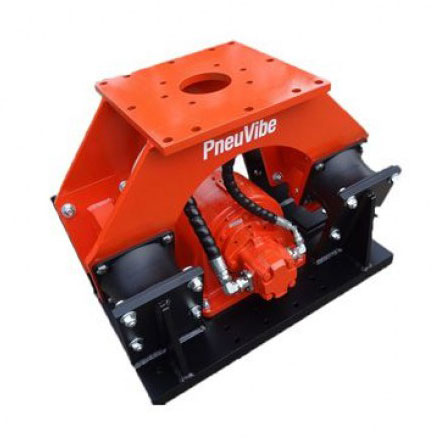
One of the major advantages of using a plate compactor is improved soil stability. Loose soil contains air pockets that can lead to shifting, sinking, or cracking after construction is complete. By compressing soil, gravel, or sand into a dense layer, this equipment reduces movement and increases load-bearing capacity. This is especially important for projects such as pavements and foundations, where even small amounts of settling can result in costly repairs later on. Proper compaction ensures that the base layer can support structures safely and consistently over time.
Another major benefit is increased efficiency on the job site. Manual compaction methods are time-consuming and often inconsistent, especially on larger projects. Mechanical compaction allows workers to cover more ground in less time while maintaining uniform results. With fewer passes needed to achieve the desired density, crews can complete tasks faster and move on to the next phase of construction without delays. This time-saving advantage makes the plate compactor a valuable tool for meeting tight project schedules and improving overall productivity.
Consistency and quality are also enhanced through mechanical compaction. Even surfaces are essential in construction, particularly when laying asphalt, concrete, or paving stones. Uneven bases can cause materials to crack or shift, compromising both appearance and performance. A plate compactor applies consistent force across its base, ensuring that materials are compacted evenly. This uniformity helps produce smoother finishes and stronger structures, which in turn leads to higher-quality results and greater client satisfaction.
Cost-effectiveness is another important reason why contractors rely on compaction equipment. While there is an initial investment involved, the long-term savings are substantial. Proper compaction reduces the likelihood of structural failure, rework, and maintenance issues caused by settling or erosion. By minimizing these risks, construction companies can avoid expensive repairs and warranty claims. In addition, improved efficiency means reduced labor costs and better use of resources, making a plate compactor a financially smart choice for both small and large projects.
Versatility further adds to the value of this equipment in construction. It can be used across a wide range of applications, including road construction, landscaping, trench work, and foundation preparation. Different soil types and materials can be compacted effectively, allowing crews to adapt to varying site conditions without needing multiple specialized tools. This flexibility simplifies equipment management and ensures that the plate compactor remains useful throughout different stages of a project.
In conclusion, the benefits of using plate compactors in construction are clear. From improving soil stability and surface quality to increasing efficiency and reducing long-term costs, this equipment supports stronger, safer, and more reliable structures. Its versatility and consistency make it an essential part of modern construction practices. By incorporating proper compaction into every project, contractors can deliver durable results that stand the test of time while maintaining productivity and profitability.