
B2B Logistics in 2025: Trends, Tactics, and Industry Shifts
B2B Logistics in 2025: Trends, Tactics, and Industry Shifts
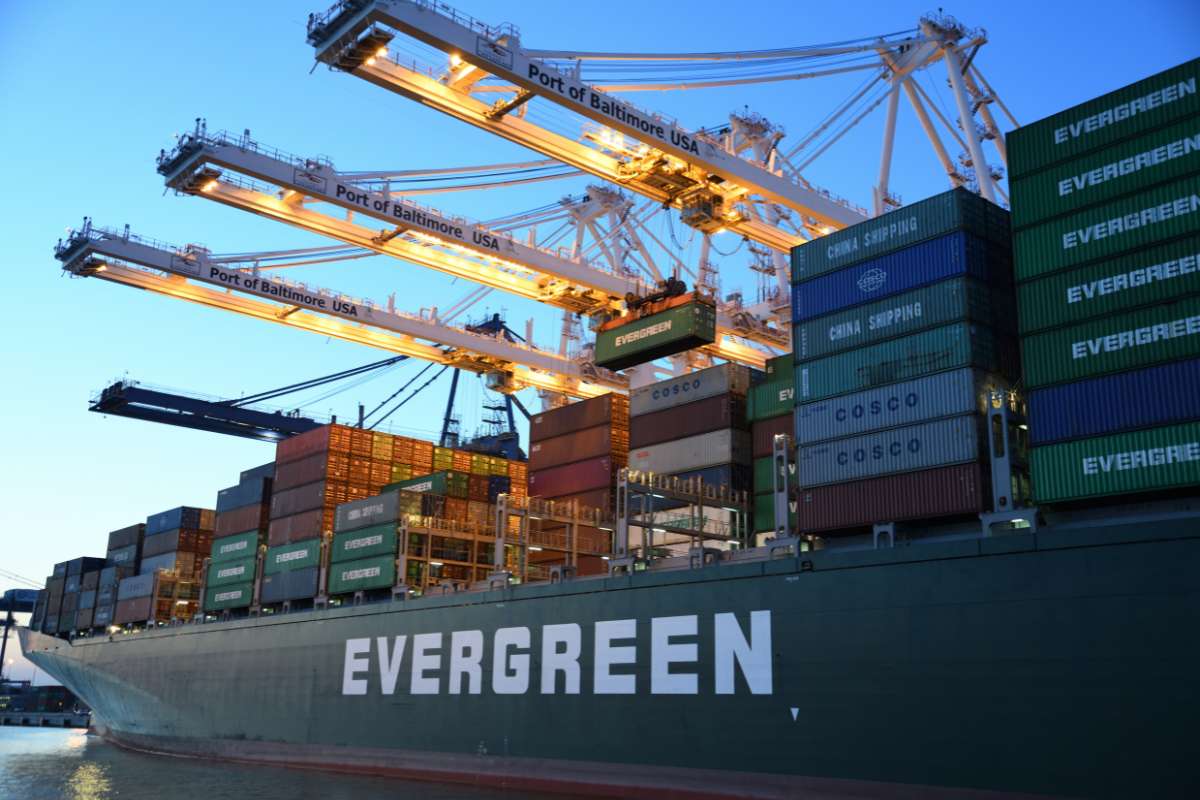
Efficient supply chains can make or break a company’s reputation. B2B Logistics demands careful planning, strong relationships, and the tools to keep goods moving swiftly and accurately. Whether you’re a manufacturer shipping parts or a wholesaler delivering products to retailers, understanding how to organize shipments from point A to point B can cut costs and delight customers.
Modern buyers expect fast, reliable delivery even when ordering in bulk. B2B Logistics covers transportation, order processing, warehousing, and inventory oversight. By taking a clear look at each step, how orders come in, how stock is stored, and how shipments leave, you can spot weak spots and find practical ways to improve.
In this article, you will learn how industrial logistics works, key differences from B2C operations, common challenges, proven practices for smooth operations, and the technologies reshaping the field.
What Is B2B Logistics and Why It Matters?
Business-to-business logistics involves moving goods between companies, such as from a supplier to a manufacturer or from a distributor to a retailer. Unlike consumer deliveries, these shipments are often larger, have specific contract terms, and require special handling. B2B Logistics covers:
- Order Management: How orders are received, confirmed, and tracked until fulfillment.
- Inventory Oversight: Keeping real-time counts and choosing storage methods that match demand.
- Warehousing Strategy: Organizing storage so high-turn products are easy to pick and pack.
- Transportation Planning: Selecting carriers, routes, and service levels that balance cost and speed.
Efficient B2B Logistics lets businesses reduce hanging inventory, avoid delays, and keep clients happy. When you fine-tune each link in your chain, your product moves faster with fewer mistakes.
Key Differences Between B2B and B2C Logistics
Although both require moving goods, business shipments follow different rules from consumer orders:
| Aspect | B2B Logistics | B2C Logistics |
|---|---|---|
| Order Size | Bulk pallets or full truckloads | Single packages |
| Delivery Terms | Contract rates, scheduled windows | Standard shipping options |
| Pricing Models | Tiered pricing, custom quotes | Fixed rates based on weight/distance |
| Relationships | Long-term partnerships | One-off transactions |
| Documentation | Invoices, bills of lading, customs forms | Basic shipping labels |
These distinctions mean systems built for consumer shipping often fall short for bulk orders. Investing in B2B-focused tools and carrier relationships pays off in reliability and cost control.
Common Challenges in B2B Logistics

Scharfsinn86
Even seasoned teams can struggle with:
- Complex Order Requirements: Custom packing, split deliveries, and return handling add layers of work.
- Cross-Border Regulations: Tariffs, duties, and paperwork can stall shipments at ports.
- Fluctuating Demand: Seasonal spikes or sudden market changes lead to overstock or stockouts.
- Labor Constraints: Finding skilled warehouse staff or drivers can slow down processing.
- Data Silos: When order, inventory, and transport data live in separate systems, visibility suffers.
Recognizing these obstacles helps businesses prepare and react. For instance, building a buffer stock or establishing backup carrier options can cushion against sudden shifts.
Five Best Practices for Streamlined Operations
1. Conduct a Full Process Audit
A comprehensive audit begins with mapping every step an order takes, from when it enters your system until it leaves your dock. This exercise involves observing how orders are received, whether by email, EDI, or a portal, and recording how that information passes to picking, packing, and shipping teams. Note any manual handoffs, duplicate data entry points, or delays caused by unclear responsibilities. Visualizing the entire workflow allows you to pinpoint redundant tasks, identify where errors often occur, and establish a baseline for future improvements.
2. Implement Self-Service Portals
Self-service portals empower your customers to place new orders, update existing ones, and check delivery statuses without contacting your support team. Providing a branded dashboard reduces the volume of emails and phone calls routed to logistics staff, allowing them to concentrate on exceptions—such as custom packaging requests or urgent restocks. Portals can include features like order history, shipment tracking, and invoice downloads. Clear interfaces guide buyers through bulk ordering rules and tiered pricing, minimizing order-entry mistakes and accelerating the order-to-cash cycle.
3. Adopt Warehouse Management Software
Kinwun-
A modern warehouse management system (WMS) is the nerve center of successful operations. Beyond basic inventory counts, a robust WMS offers real-time visibility into stock levels across multiple locations. It can generate optimized pick lists that group items by proximity, recommend the most efficient travel paths for picking teams, and automatically flag any discrepancies between expected and actual counts. Dashboards built into the WMS display key performance indicators—such as order accuracy and on-time departure rates—so managers can track improvement goals and quickly address any decline in service metrics.
4. Partner with a 3PL for Flexibility
Supply and demand rarely move in lockstep; seasonal peaks, new product launches, or unexpected surges can strain fixed warehouse capacity and labor pools. Partnering with a third-party logistics provider (3PL) offers a scalable solution. Your 3PL can allocate additional warehouse space, add temporary labor, or bring in specialized equipment when volume climbs. During slower periods, you avoid paying for underutilized space or staff. Selecting a 3PL with local and regional networks also extends your delivery footprint, helping you meet tight delivery windows without investing in new facilities.
5. Leverage Data Analytics
Data is the compass that keeps logistics teams on course. Collecting and analyzing shipment records, inventory turnover rates, and carrier performance statistics, you can spot patterns that aren’t noticeable day-to-day. Simple dashboard tools can reveal which SKUs sell fastest, which routes experience the most delays, or which packing methods result in the fewest damages. With these insights, procurement teams can adjust reorder points, routing managers can negotiate better lane rates, and warehouse supervisors can reconfigure layouts to match demand trends. Ongoing analysis ensures that improvements stick and evolve as your business grows.
Technology Trends Changing B2B Logistics
Digital tools are making bulk shipping smarter:
- Cloud-Based Platforms: Offer quick updates and integrate with ERPs for unified data.
- AI-Driven Forecasting: Predict order volumes to adjust stock levels before shortages occur.
- Mobile Warehouse Apps: Enable real-time scanning and instant order updates.
- Robotic Automation: From automated sorters to loading machines, robots speed up repetitive tasks.
Adopting proven technology can cut manual errors and lower labor costs, while giving customers up-to-date status on their orders.
Overcoming Challenges: Real-World Strategies
Businesses that excel at B2B Logistics share everyday habits:
- Strong Collaboration: Regular calls with suppliers and carriers uncover potential issues early.
- Flexible Contracts: Having clauses for rush orders or additional volume helps respond to sudden needs.
- Continuous Training: Teaching staff to use new tools and follow best practices keeps error rates low.
- Performance Reviews: Weekly KPI checks let teams spot good or bad trends and adjust swiftly.
By treating logistics as an ongoing project rather than a one-time setup, teams stay ready for change.
Future Outlook for B2B Logistics
David-Dibert-
As global trade grows, B2B Logistics will continue evolving:
- Greater Visibility: Blockchain and IoT devices promise transparent tracking from source to delivery.
- Green Transportation: Pressure to lower carbon footprints will drive investments in electric fleets and optimized routing.
- Collaborative Networks: Shared warehouses and cross-docking hubs will reduce empty runs and cut costs.
Staying informed about these shifts helps businesses plan and capture new efficiencies.
Conclusion
Mastering B2B Logistics involves understanding complex order flows, choosing the right partners, and using data to guide decisions. When companies audit processes, adopt focused tools, and build strong carrier ties, they precisely deliver bulk shipments, boosting customer trust and cutting costs. Solid planning now sets the stage for future growth.